
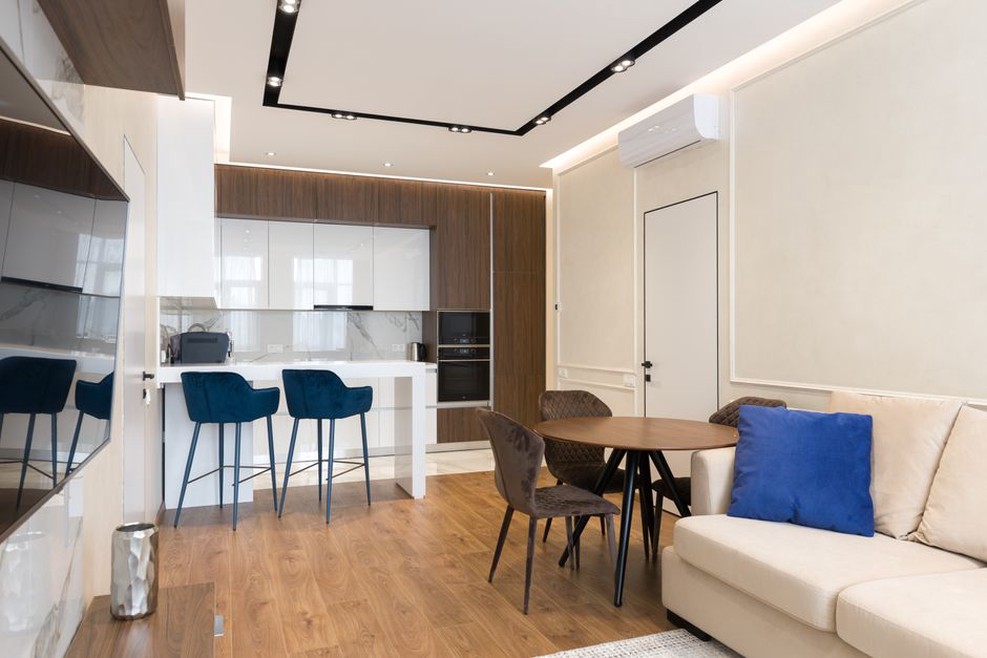
How to Plan a Compact Home That Works Day to Day
Plan a compact home around real furniture sizes, clear routes, storage needs and building constraints. Test comfort, buildability and costs before ordering joinery.
Plan a compact home around real furniture sizes, clear routes, storage needs and building constraints. Test comfort, buildability and costs before ordering joinery.
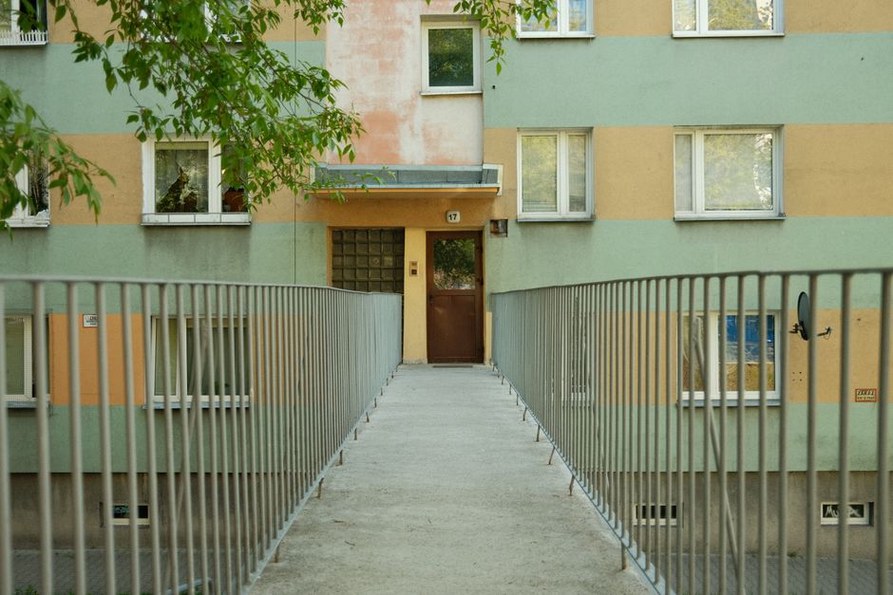
Practical design considerations for aging occupants, including accessible routes, adaptable homes, lighting, wayfinding and checks before handover.
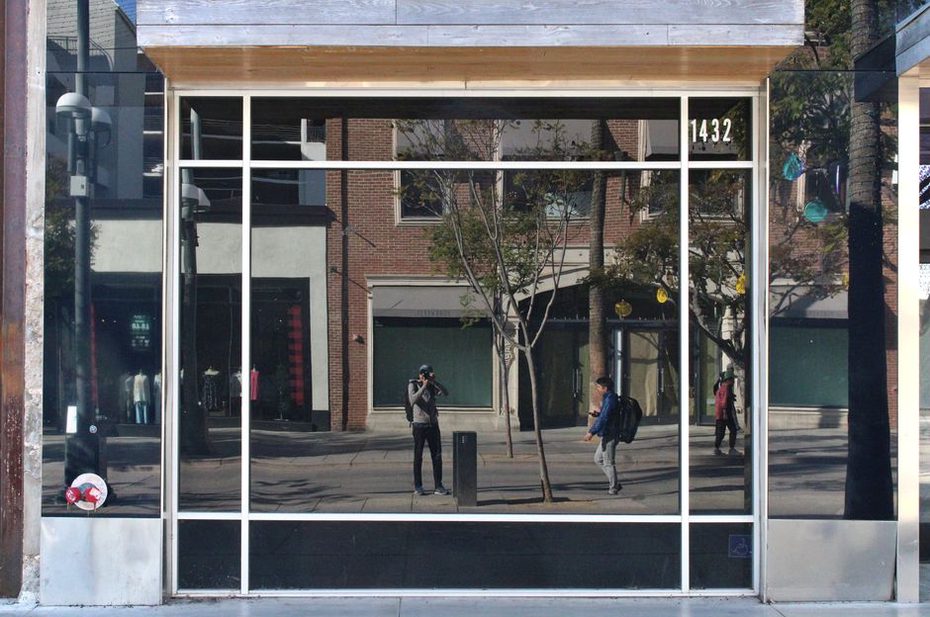
Practical checks for urban building projects: street-level access, adaptable space, reuse, maintainable systems, approvals and day-to-day operations.

Plan accessible buildings around complete routes, usable rooms and day-to-day operation. Learn what to check from early design through handover.

Learn how to map approval routes, manage digital submissions, check code compliance and carry permit conditions through construction and operation.
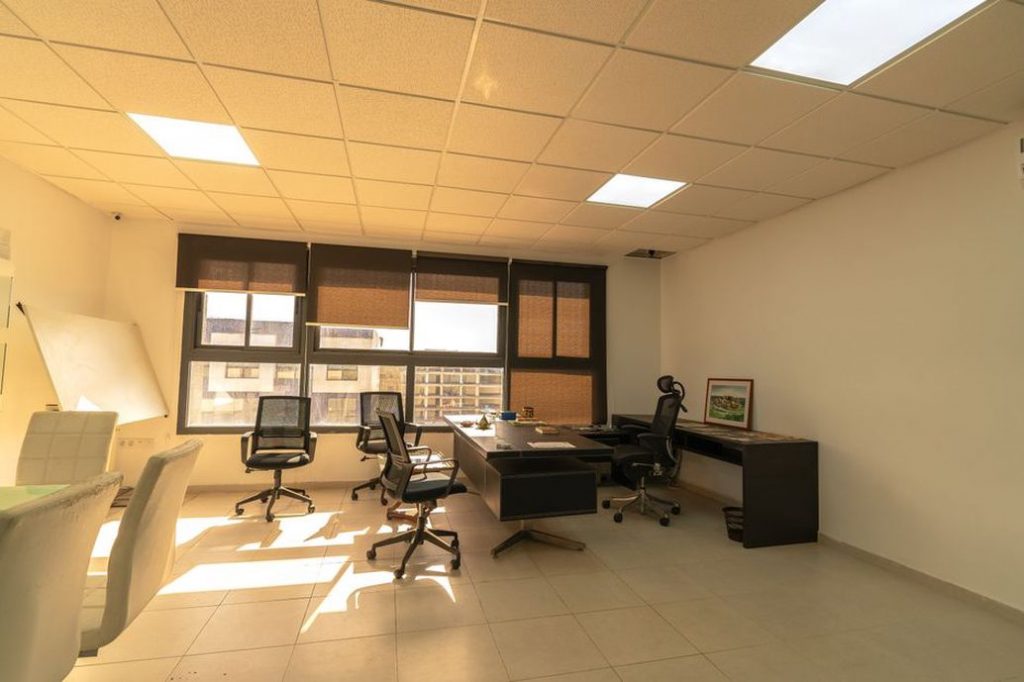
Plan office space around real work patterns, acoustic privacy, comfort and circulation—and check how the workplace performs after occupation.

Compare building materials by whole-assembly performance, carbon data, durability, compliance, cost and site conditions—not environmental labels alone.

A practical guide to school design decisions that affect teaching: room layouts, acoustics, comfort, accessibility, circulation, outdoor space and operation.
Plan for future heat, flooding and emissions with site assessments, whole-life carbon comparisons and climate decisions carried through construction.

How site planning, room layouts, façade design, ventilation, and construction checks work together to control noise in urban buildings.