
A “45-minute class” can take much longer once you factor in a crowded changing room, an entrance around the back of the building or an hourly bus service. Before paying, check the session and the venue. You need to know whether you can attend regularly, use the space comfortably and understand what you’ll be charged.
Does the class match your starting point?
Ask what happens in a typical session: the warm-up, main activity, rest periods and cool-down. Labels such as “strength,” “conditioning” and “all levels” tell you little about the workload. One strength class may use adjustable weights and coached technique; another may run timed circuits with little individual instruction. Ask about the movements and pace rather than relying on the timetable.
Questions for the organiser or instructor include:
- Is the class suitable for someone new to this activity?
- Which movements can be modified, and who explains the alternatives?
- How much individual feedback is possible during a session?
- Do participants need to bring equipment or know particular techniques?
- Can I watch a session or try one class before enrolling?
Ask how many people usually attend and how many instructors supervise. A small group does not guarantee better teaching, though it may make questions and technique checks easier. If the class uses equipment, find out whether it is shared and how much room each person has. Watching a session often tells you more about the pace, noise and coaching than a written description.
If you have an injury, disability or another health consideration, or if you are pregnant, ask the instructor to explain the class demands and available adaptations. They can describe the session, but they should not be expected to diagnose a condition or guarantee that an activity is safe for you. Seek advice from an appropriate healthcare professional if you need an individual assessment.
Who teaches the class, and what happens if plans change?
Ask about the instructor’s training and experience in the activity they teach. Relevant qualifications depend on the class: leading a general group session differs from teaching a specialist discipline or supporting participants with particular needs. Find out who will teach the slot you plan to attend, not just who founded the programme.
Then ask what happens when that instructor is absent. Will a qualified substitute teach, will the format change, or will the class be cancelled? If you rely on a particular instructor’s adaptations, the substitute arrangements matter. Check how schedule changes are communicated and how much notice participants usually get, especially if you need to arrange childcare, transport or support.
Can you get there and use the space comfortably?
The advertised location might be a school hall, community centre, studio or room inside a larger leisure complex. Ask for the exact entrance and room, not just the street address. A venue that looks close on a map may involve a long walk from parking, stairs or a route through doors that lock after hours.
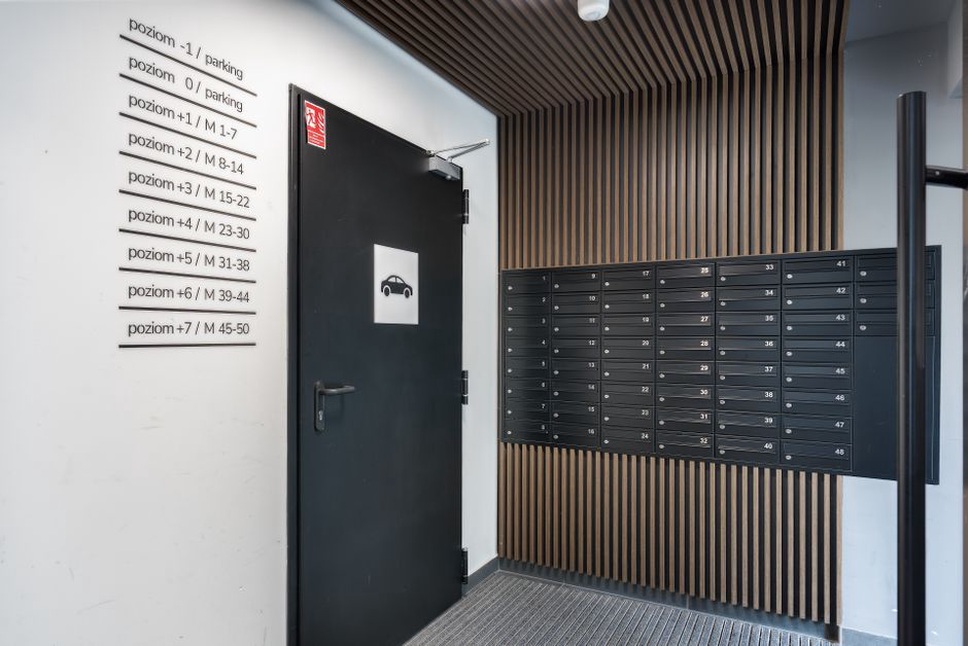
Think about the trip at the time you would actually make it. Is there safe pedestrian access after dark? Where can you store a bicycle? Does parking fill up when other activities overlap? If you use public transport, check the service home after class. For your first visit, ask when the room opens and where to wait; in a building with limited space, you may otherwise arrive in the middle of another group’s session.
Ask about accessibility in practical terms
“Accessible” does not answer everyone’s needs. Explain which features matter to you and ask about the whole route, from arrival through participation:
- Is there a step-free route from the street or parking area to the class?
- Are lifts available during class hours, and what happens if one is out of service?
- Is there room to manoeuvre between equipment and other participants?
- Are accessible toilets and changing facilities open and usable at that time?
- Is there a quieter place to wait, or can instructions be provided in a suitable format?
A building can have a step-free entrance while the class itself is upstairs behind a locked door. Specific questions let staff check the arrangements rather than rely on a general description. If an access feature is essential, ask to see the route before buying a multi-session pass.
Is the room appropriate for the activity?
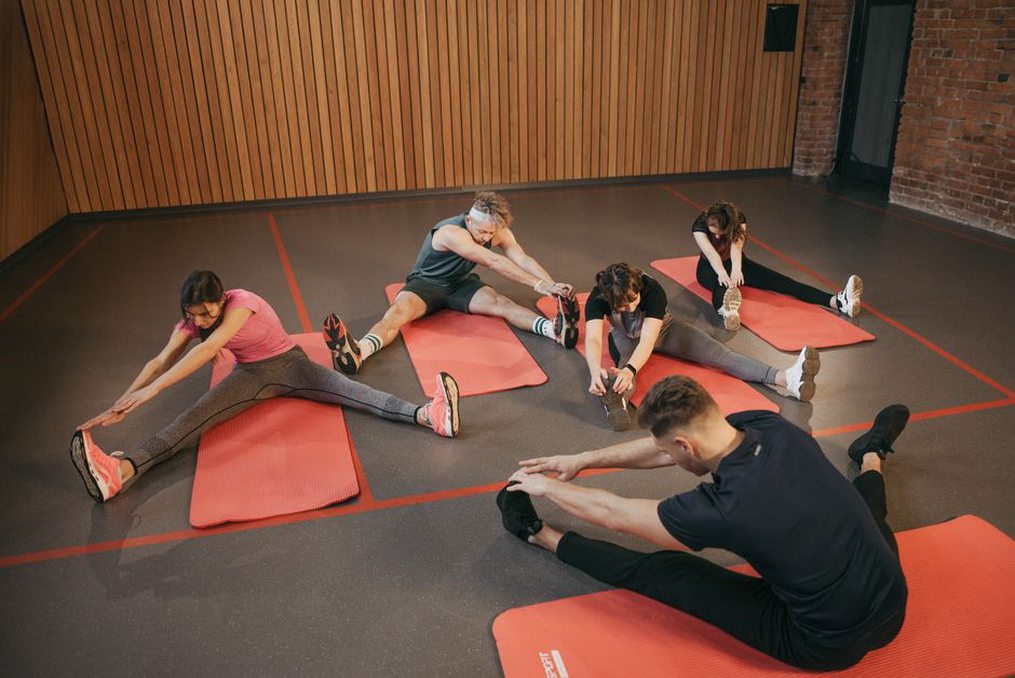
The room affects how the class works. Ask whether there is enough floor space for the planned movements, particularly lunges, floor work or equipment stations. If you visit, look for clear routes to exits, stable flooring and somewhere sensible to put bags. A slippery surface, loose mats or weights left in walking routes warrant a question before you join.
Temperature and ventilation matter too, although a quick visit cannot tell you how the room performs when full. Ask whether windows or mechanical ventilation operate during class and whether the room gets noticeably hot. If sound is a concern, check whether music is amplified and whether you can hear the instructor. A quiet daytime tour may not reflect a busy evening when several activities run at once.
Find out where you can get water and whether toilets are near the room. Changing rooms and showers may be important if you attend before work, but less so if you go straight home. Ask whether lockers need a lock or payment and whether belongings must stay outside the exercise area.
What will you pay, and what does the price include?
Compare what attendance will cost you in practice, not just the lowest advertised price per class. A membership may suit someone who goes often but cost more than occasional visits if you can attend only twice a month. Request the full pricing terms in writing, including registration fees, equipment costs, trial-session charges and any separate admission fee for the building.
Before committing, clarify:
- Do you pay per visit, buy a fixed block or enter a recurring agreement?
- When do purchased sessions expire?
- What is the cancellation deadline for a booked place?
- Can you make up a missed class, transfer a booking or pause membership?
- What refund or credit applies if the organiser cancels a session?
- How do you stop recurring payments, and how much notice is required?
Check booking and membership terms separately. You may be able to cancel a class booking and still owe the monthly membership fee. A “drop-in” class may also require advance booking if places are limited. Keep a copy of the terms in force when you enrol in case the schedule or price changes later.
Does the timetable work beyond the first week?
A schedule needs to fit an ordinary week, not just one when you happen to be free. Check start and finish times, which days are offered, and how often holidays, school events or other venue bookings interrupt the class. If the room has other users, ask whether sessions move to another room or address when it is unavailable.
Allow time for travel, changing and the occasional late finish. If class ends at 7:00 p.m. and the building closes at 7:05, you may not be able to use the changing facilities. For classes with limited places, ask when booking opens and whether popular sessions regularly fill. A convenient timetable slot is of little use if you cannot reliably book it.
What should happen at the trial session?
A trial lets you compare the answers you were given with what happens on the day. Were the arrival instructions accurate? Did staff explain where to go? Did the instructor check that newcomers understood the format? Your first workout need not be flawless, but you should know how hard to work, when to pause and whom to ask for help.
Notice whether alternatives are explained without singling people out and whether there is enough room to move without colliding with others. If an exercise is unfamiliar, ask for a demonstration or a simpler option. Pressure to ignore pain or attempt a movement you have said you cannot do is a concern; ordinary exertion is different from discomfort caused by an unsuitable movement.
Afterward, work out the door-to-door time and actual cost. A 45-minute class with 20 minutes of travel each way and 15 minutes to change takes roughly 100 minutes. If that fits your week, confirm the next available date, cancellation deadline and entrance to use before you buy a block of sessions.