
A pet bed beside the front door might look tidy on a floor plan, but a dog sleeping there will be disturbed by every arrival. Start by noting where your pet sleeps, eats, drinks and plays, and how it moves through the apartment. Those habits show where the layout needs to account for noise, spills and busy walkways.
Map the routes before placing pet furniture
Sketch the apartment and mark the paths between the entrance, living area, kitchen and bathroom. Add the pet’s routes: a dog heading to the door for walks, or a cat moving between its litter box, food and favorite resting spots. Keep these paths clear of sharp furniture corners and trailing cables. Check, too, whether a door could shut the pet inside a room.
The entrance deserves a closer look. A mat just inside the door gives you somewhere to wipe paws without blocking access. Store leashes, bags and towels in a closed cabinet nearby. If your pet rushes the door, a gate or internal barrier may help, as long as it does not obstruct a required exit route. Measure the space with the barrier both open and closed; its swing can take up more room than expected.
Outline a crate, feeding station or litter enclosure on the floor with temporary tape, then walk your usual routes. This can reveal conflicts a drawing misses, such as a cabinet door hitting a water bowl.
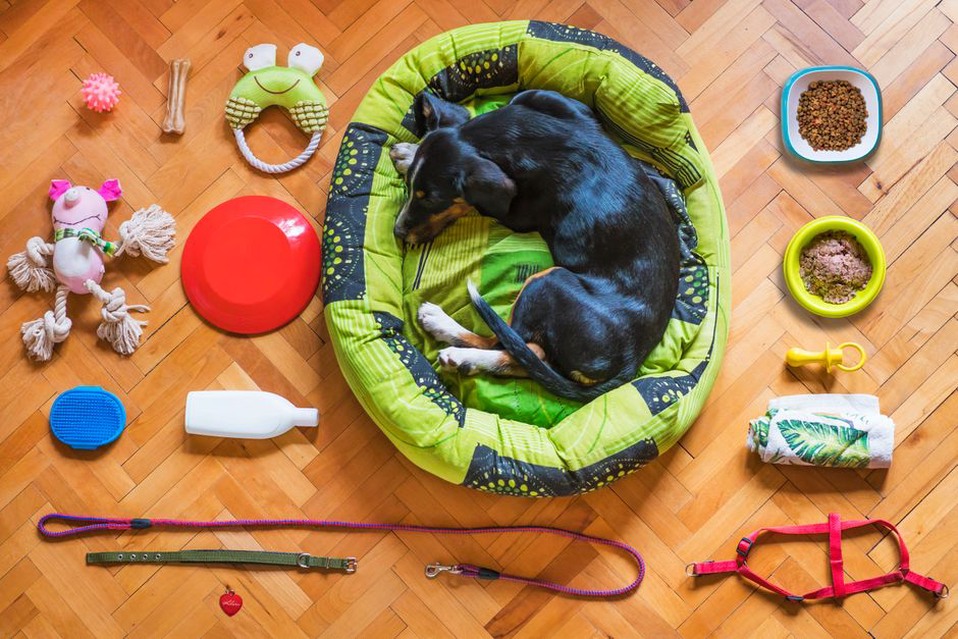
Give each activity a suitable location
Rest away from traffic and heat
A sleeping spot should let the animal stretch out without spilling into a walkway. Keep beds away from radiators and door swings. Some pets prefer a quiet corner; others settle better where they can see the main room. An older animal may need a bed on the same level as its food and usual resting area, rather than a perch it must jump onto.
If you use a crate, it should give the dog room to stand, turn and lie down naturally. Do not put it in the only clear passage or beneath shelving that could drop objects onto it.
Separate feeding from litter and busy routes
Place food and water on a washable surface where people will not have to keep stepping around the bowls. A shallow tray can catch splashes, but make sure it will not slide underfoot. Keep a cat’s food away from its litter box; in a small apartment, separate corners may be more realistic than separate rooms.
Leave room at the litter box entrance and enough clearance to clean it. A tucked-away box may be less visible, but it is no use if a heavy door can close off access. Avoid poorly ventilated closets, and check that the cat can enter, turn around and leave any enclosure easily. Cats sharing an apartment may need more than one box in separate spots, depending on the animals and the space available.
Match surfaces to wear and cleaning
Flooring needs to work for paws as well as feet. Highly polished hard floors can be slippery for some dogs, especially older ones. Washable runners or rugs with secure, nonslip backing can improve traction along routes they use often. Keep the edges flat so they do not become a trip hazard. If you are replacing the floor, compare slip resistance and moisture tolerance alongside cleaning instructions and the building’s acoustic requirements.
Tightly woven, cleanable upholstery is often easier to maintain than a loose weave that catches claws. Removable covers make washing simpler. Put a scratching post near furniture your cat already targets; one hidden out of sight is less likely to change its habits. Where pets regularly brush past a wall, protect vulnerable corners or choose a washable finish.
Some apartment buildings require underlayment beneath hard flooring to reduce impact noise in the unit below. Check with the building manager before replacing carpet. Easy cleaning is little benefit if the new floor breaches the lease or building rules.
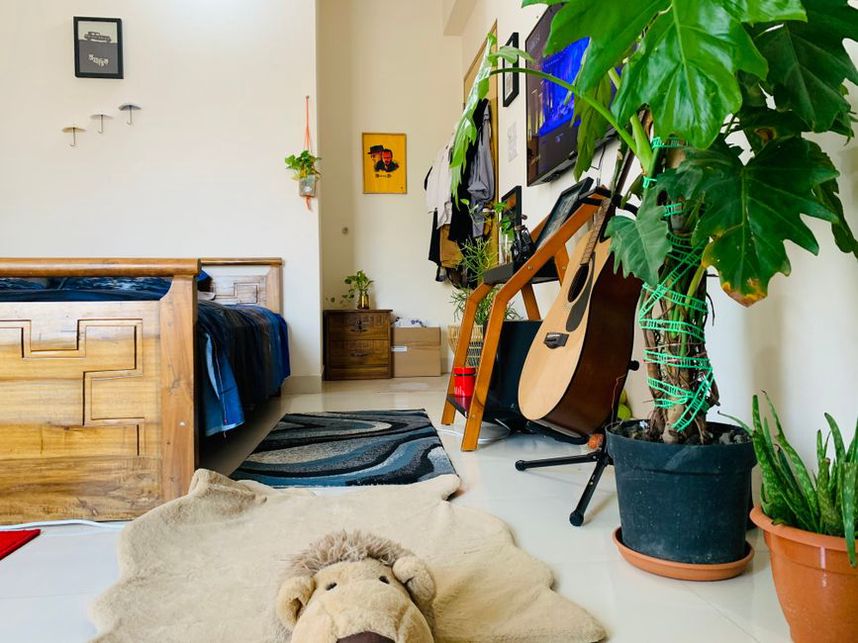
Use vertical space without creating hazards
Cat shelves and window perches add activity space without taking up floor area, but the fixings must suit the wall and the load. Check whether your lease permits drilling, and follow the product’s installation instructions. Plan the landing area too: a missed jump should not end on a sharp table edge. Keep climbable furniture away from unsecured windows and balcony access.
An ordinary window screen may not be designed to hold back a pet. If a window or balcony is accessible, use a barrier or restraint suitable for that opening and permitted by the building. A chair in front of a door is not a safety measure. For dogs, secure tall storage units and keep tempting food, medication, cleaning products and small chewable items behind closed doors.
Check the layout against building constraints
Before installing gates or built-ins or changing the flooring, read the lease, pet policy and renovation rules. They may restrict animal size, floor finishes, balcony use or wall attachments. In a rental, freestanding storage and removable floor coverings that stay securely in place may be more practical than permanent joinery.
Do not narrow required exit paths, cover ventilation grilles or put bowls where repeated spills could reach electrical outlets. Check that doors still open fully and that shutoff valves and other service points remain accessible. Then carry a laundry basket through each route with the bed, bowls and toys in place. If it catches on a gate or makes you step around a bowl, move the item before fixing anything permanently.