
A sweaty shirt left in the laundry basket overnight may develop an odor that a normal wash struggles to remove. Hang wet or sweaty clothes where air can circulate until they are dry enough to launder. That small habit can spare them an extra wash—and the friction, heat and stretching that come with it.
Wash for the condition of the garment
A garment does not necessarily need washing after every wear. A coat worn over other layers may only need airing; a shirt with visible dirt or a lingering odor needs cleaning. Check collars, cuffs and underarms instead of counting wears. Wash underwear and socks after use, while clothes worn over a base layer can often go longer if they still look and smell clean.
For a small mark, spot-clean if the fabric allows it. Blot a fresh spill with a clean cloth rather than rubbing it into the fibers, and test stain remover on a hidden area first—particularly on dyed, delicate or coated materials. Treating a stain promptly gives you a better chance of removing it. Hot water or dryer heat, however, can make some stains harder to shift.
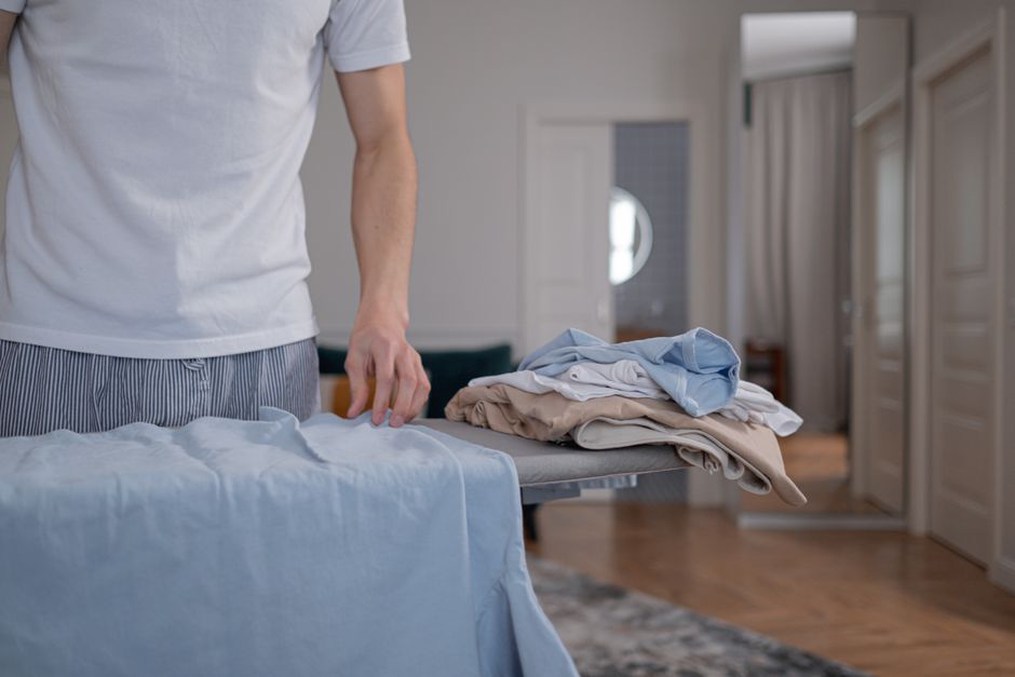
Sort by more than color
Separate darks and lights to limit dye transfer, especially when clothes are new. Weight and texture matter too: towels and jeans can rub against lightweight tops. Close zippers and hook-and-loop fasteners before washing, and turn printed T-shirts, dark denim and embellished pieces inside out to reduce surface wear.
Leave room for clothes to move in the drum. Overloading can leave detergent and dirt behind, while a vigorous cycle may be unnecessary for lightly worn items. Use the care label to choose a program and temperature. A cooler, gentler wash is enough for many everyday clothes; heavily soiled pieces may need warmer water if the label permits it.
Use detergent and drying methods with care
Measure detergent according to the load size, water hardness and level of dirt, following the product directions. More is not always better: leftover detergent can make fabric feel stiff and prompt another rinse. Avoid routinely using fabric softener on towels or moisture-wicking sportswear, since its coating can affect absorbency and performance.
Drying can do more damage than washing. High heat may shrink certain fibers, weaken elastic and set stains that remain. Take clothes out of the washer promptly, shake out creases, then air-dry them when practical or use the lowest suitable dryer setting. But do not hang every item: wet knitwear can stretch under its own weight. Lay it flat on a clean surface or drying rack and gently reshape it.
Space shirts apart when hanging them to allow airflow. Keep colored fabrics out of prolonged direct sun if fading is a concern. Before putting clothes away, check that pockets, seams and waistbands are completely dry; trapped moisture can cause musty odors and damage stored textiles.
Give clothes room between wears
Rotating shoes, trousers and work shirts spreads wear across your wardrobe. Shoes also need time to dry inside after use: damp insoles and linings can feel uncomfortable and retain odor. Brush off dried dirt, then follow the maker’s care instructions for leather, suede or technical materials rather than using the same cleaner on everything.
A quick check as you undress can catch problems early:
- Empty pockets so keys, coins and pens do not strain or stain the fabric.
- Use a hanger that supports a jacket’s shoulders; fold heavy knits instead.
- Air out worn clothes before returning them to a crowded wardrobe.
- Check for loose buttons, open seams and small snags while they are easy to fix.
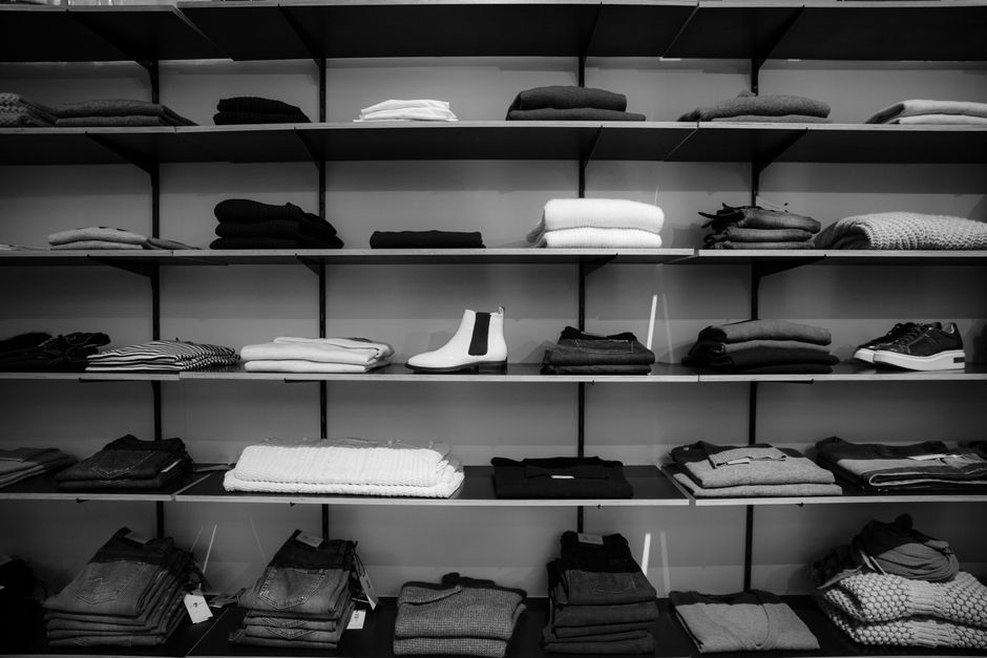
Crowded storage can crush collars and leave persistent creases. Give hanging clothes some space, avoid compressing folded items in drawers, and keep storage areas dry and reasonably ventilated. Garment bags protect seldom-worn formal clothes from dust, but clean those clothes first: food marks and body oils become harder to remove over time.
Repair small problems before they spread
It is easier to sew on a loose button than to repair a torn buttonhole. Keep the spare buttons that come with garments and reattach loose ones before they fall off. Stitch a small seam opening using a method suited to the fabric; for delicate material, a tailor may be able to avoid added tension or visible puckering. If a knit snags, do not cut the pulled loop. Gently draw it to the inside with a suitable tool, or leave it to a repairer.
Fit can be the cause of repeated damage. A trouser hem that drags on the pavement will fray, even if the fabric is durable. A bag strap rubbing the same spot on a jacket can cause pilling or thinning. Shortening the hem or changing how the bag sits tackles the source of wear.
Handle pilling without thinning the fabric
Pills form where fibers rub together, often under the arms, between the thighs or beneath a bag strap. They are not, by themselves, proof of poor quality. Work lightly with a fabric comb or suitable de-pilling tool on a flat surface, following its instructions. Scraping too hard can remove sound fibers. If the area is already thin, focus on reducing friction rather than repeatedly removing pills.
Follow the label, then check the material
Care labels set limits that general laundry advice cannot override. Wool and silk may need hand washing or a specialist cycle, depending on how the garment is made. A structured jacket, lined piece or item with bonded components may not tolerate immersion, even if its outer fabric seems washable. Treat a “dry clean only” label seriously: shrinkage, dye bleeding and a loss of shape may be difficult to reverse.
When trying a new cleaning method, begin with the least aggressive option the label allows. A small stain on the cuff of a washable shirt, for instance, may respond to careful spot treatment followed by a normal wash. Check the cuff before drying it. If the mark is still there, keeping it out of the dryer gives you another chance to treat it.