
A lower energy bill does not necessarily mean a home used less energy. The billing period may be shorter, a meter reading may be estimated, or a credit may have reduced the amount due. Start with the dates, meter readings and units consumed. Look at the total payable after that.
Electricity and gas bills vary by supplier and location, but the calculation is broadly similar: consumption is measured or estimated, converted into billable units, and priced using rates and fixed charges. Adjustments then produce the final balance. Looking at each part separately helps you spot a billing error, explain a seasonal increase or assess whether a building improvement is working.
Start with the period and the type of bill
Find the service address, billing start and end dates, issue date, and payment due date. The service address is especially important if you manage several properties or have recently moved: the account holder’s mailing address may not be the property receiving energy.
Count the billed days before comparing totals. A 35-day bill will usually be higher than a 28-day bill even if daily use is unchanged. As a first check, divide the energy used by the number of billed days. A home using 420 kilowatt-hours (kWh) over 30 days averaged 14 kWh per day. A later bill showing 450 kWh over 33 days works out to about 13.6 kWh per day—slightly less daily use, despite the higher total.
Check whether the document is a regular bill, an interim statement or a correction. A corrected bill may reverse earlier charges and replace an estimated reading with an actual one. That can make one month’s total look unusually high or low without reflecting energy used in that month.
Find the meter readings and understand the units
The meter section usually shows a previous reading, a current reading and the difference. It may label each reading actual, customer-submitted or estimated. An actual reading comes from a meter read or validated remote reading. An estimate is the supplier’s calculation of likely use, not a measurement for that exact period.
For a straightforward electricity meter, subtract the previous reading from the current one. A move from 12,480 kWh to 12,900 kWh gives 420 kWh. If the meter has separate day and night registers, or the tariff uses several time bands, check the readings and rate for each one. The account’s usage figure should reconcile with those entries, allowing for any adjustments shown.
Gas meters commonly record volume, such as cubic metres or cubic feet, while bills charge for energy, often in kWh or therms. The supplier converts the volume using prescribed factors and the gas’s calorific value. You should find the conversion method and units on the bill or in its explanatory notes. Don’t compare the raw difference between meter readings directly with billed energy: they measure different things.
Some bills show kW as well as kWh. A kilowatt is a rate of power at a moment in time; a kilowatt-hour is energy used over time. A 2 kW heater running continuously at that power for three hours uses about 6 kWh. Household consumption is generally charged in kWh, although some tariffs also include a peak-demand charge.
What an estimated reading can do to the next bill
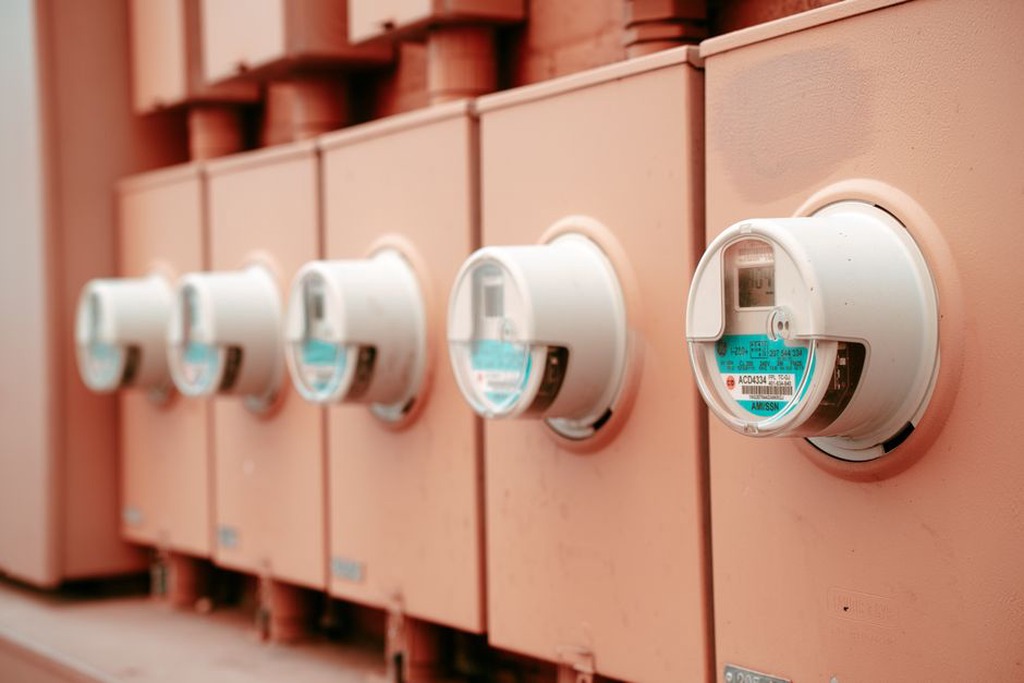
Suppose a bill estimates a meter reading of 5,100, but the actual reading on that date would have been 5,040. The estimate assigns 60 extra units to the earlier period. When the next actual reading arrives, the supplier should reconcile the account, either reducing the units assigned to the later period or correcting the earlier charge. The cost difference can depend on whether rates changed between periods. If you need to question an estimate, keep a dated photo of the meter display and check that its identifier matches the account.
Separate usage charges from fixed charges
The energy charge is usually the billable units multiplied by the applicable unit rate. On a simple electricity tariff, 420 kWh at 0.25 per kWh produces a usage charge of 105 in the bill’s currency. That is not necessarily what you owe: fixed daily charges, taxes, regulatory charges, credits or earlier balances may also appear.
Fixed charges may be called a standing charge, customer charge, network charge or service charge. Other tariffs include part of those costs in the unit rate. If a fixed charge applies per day, check the arithmetic against the billed days: 30 days at 0.40 per day adds 12. A household can therefore owe money even when it uses very little energy.
Read the rate schedule if the bill uses more than one price. Time-of-use tariffs charge different rates at designated hours; tiered tariffs change the price after a quantity threshold. A promotional rate may expire during a billing period, or a rate change may split usage between old and new prices. The same total kWh can cost different amounts under each arrangement.
| Bill line | What it tells you | Useful check |
|---|---|---|
| Energy used | Quantity billed, usually in kWh | Compare with meter readings and period length |
| Unit rate | Price applied to each unit or time band | Check the tariff and effective dates |
| Fixed charge | Charge independent of consumption | Multiply the daily rate by billed days |
| Adjustment or credit | Correction, discount or amount carried over | Find the related period and reason |
| Amount due | Balance payable after additions and deductions | Distinguish new charges from a previous balance |
Taxes and levies vary by jurisdiction and may apply to different parts of a bill. A displayed average price per kWh can help, but check its basis: dividing the entire bill by kWh includes fixed charges and sometimes prior balances. When comparing tariffs, use their unit rates and fixed charges against the same assumed consumption pattern rather than relying on that average alone.
Reconcile payments, credits and the final balance
Current energy charges and the amount due are not always the same. A bill may start with an unpaid balance, subtract a payment received since the previous bill, add new charges, then apply a credit or refund. Review this running account separately from consumption. If new charges are 117 but the amount due is 82, a 35 credit could explain the difference; the home has not consumed 35 less energy.
If you pay a fixed monthly amount, separate the payment schedule from the cost of energy used. Regular payments can smooth cash flow while the account builds credit in a mild season and draws it down during a heating or cooling season. An annual reconciliation or payment adjustment may follow. Check the account balance and actual consumption before treating a payment change as evidence that the building’s performance has changed.
Compare consumption without mistaking weather for efficiency
Electricity use can rise with air-conditioning, electric heating, ventilation, dehumidification or additional occupants. Gas use often changes sharply during the heating season. Compare kWh per day with a similar season in a prior year, then consider occupancy, weather, equipment changes and operating hours. A colder month can increase heating use even after insulation work has reduced heat loss.
Monthly totals are a starting point, not a diagnosis. A home using 300 kWh in one 30-day month and 360 kWh in another has gone from 10 to 12 kWh per day. Weather, guests, a new appliance or a thermostat change could account for some or all of the difference. Where smart-meter data is available, hourly or daily patterns can help distinguish a consistently high base load from brief periods of heavy use. A spike alone, though, does not identify an appliance.
What bills can reveal about a building project
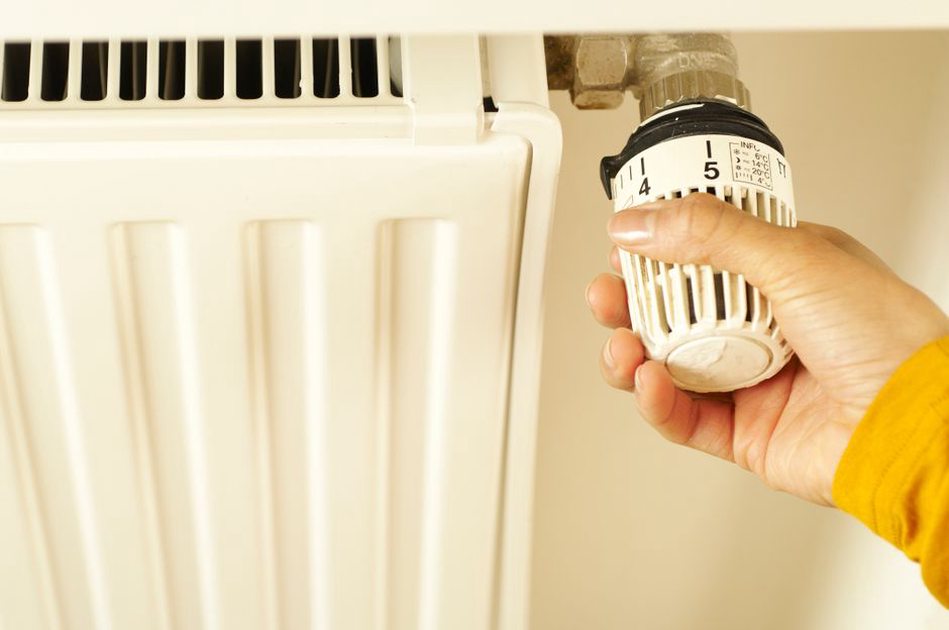
Owners often turn to bills to assess insulation, windows, heat pumps or controls. Record the installation date and compare consumption before and after it across comparable seasons. If an electric heat pump replaced a gas boiler, look at gas and electricity together: the electricity bill may rise while total purchased energy or cost falls. Keep tariff changes separate from changes in consumption.
For a more reliable assessment, an energy professional may adjust for weather using local heating and cooling degree days, and account for changes in occupancy or floor area. Even then, bills show purchased energy, not precisely where heat is escaping. A high heating bill may warrant a closer look at insulation, air leakage or system controls, but it cannot establish which is responsible. Metered data is most useful alongside a review of the building and how it is operated.
Check unusual charges in a practical order
If a bill looks wrong, begin with details you can verify:
- Confirm the account and service dates. Check that the charge belongs to the right property and excludes dates before a move-in or after a move-out.
- Match the meter identifier. This matters particularly in multi-unit buildings, where meters may be grouped together.
- Check reading status and arithmetic. Compare billed readings with a dated meter photo, allowing for separate registers or a documented meter change.
- Review rates and adjustments. Check for a tariff change, expired discount, correction, tax change or old balance before attributing the increase to consumption.
- Compare daily use. If actual consumption has risen, consider weather, occupancy and equipment operation before assuming the meter is faulty.
A meter replacement may involve a closing reading from the old meter and an opening reading from the new one. Do not subtract them as though they belong to a continuous register. If the bill does not explain how consumption was calculated across the change, ask the supplier for the reading history and calculation.
To dispute a charge, keep the bill, a meter photo, relevant dates and a written record of the issue. Ask which reading or rate was used and how any correction will appear on the account. An unusually high bill is not, on its own, evidence of a leak or electrical fault. If you suspect a gas leak for safety reasons, follow the local emergency procedure rather than waiting for a billing investigation.
Use the bill to set a useful baseline
For each billing period, record the start and end dates, whether readings were actual or estimated, electricity kWh, gas energy units, tariff, new charges and adjustments. Note major changes too, such as new heating equipment, an extended vacancy or a renovation. Those details make later comparisons more useful than a folder of bill totals.
For example, if the first actual-reading bill after a window replacement covers 32 days and shows 384 kWh of electricity, record 12 kWh per day alongside the dates. That figure alone cannot tell you whether the windows helped. Compare it with an actual-reading period in a similar season with similar occupancy, and check whether electric heating or cooling was running in both periods.