
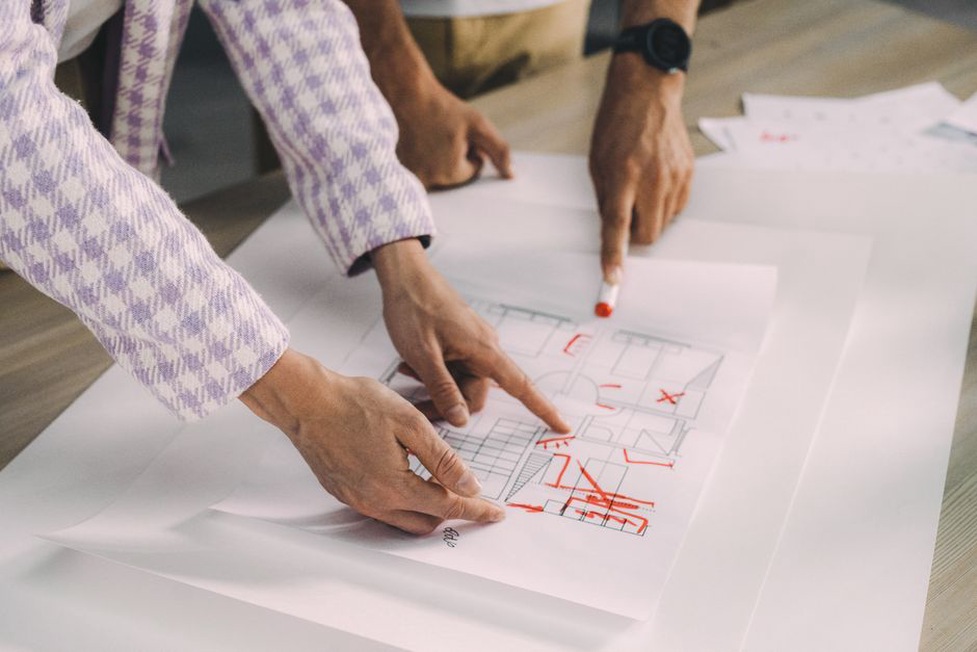
How Community Engagement Improves Building Design
Learn how early, structured community engagement can inform building design, reduce conflict, support approvals, manage construction impacts, and improve performance after occupation.
Learn how early, structured community engagement can inform building design, reduce conflict, support approvals, manage construction impacts, and improve performance after occupation.

A practical guide to high-performance envelopes, low-carbon materials, electrification, water systems and digital tools for efficient, durable buildings.

Learn how site constraints, area efficiency, approvals, lifecycle costs, programme risk, and adaptability influence the economics of urban real estate projects.

Learn how to plan mixed-use building conversions, including zoning, fire safety, acoustics, ventilation, accessibility, services, approvals, and construction sequencing.

Learn how to prepare for construction permits, verify site rights, coordinate approvals, manage revisions, and meet inspection and occupancy requirements.

Learn how adaptable layouts, mixed-use planning, low-carbon design, healthy interiors, technology and resilience can protect the long-term value of commercial buildings.

Learn how zoning, building codes, housing policy, climate requirements, public investment, and approvals affect real estate development, design, cost, and operations.

Learn how efficient residential layouts improve usable space through better circulation, daylight, storage, service planning, adaptable rooms, and code coordination.
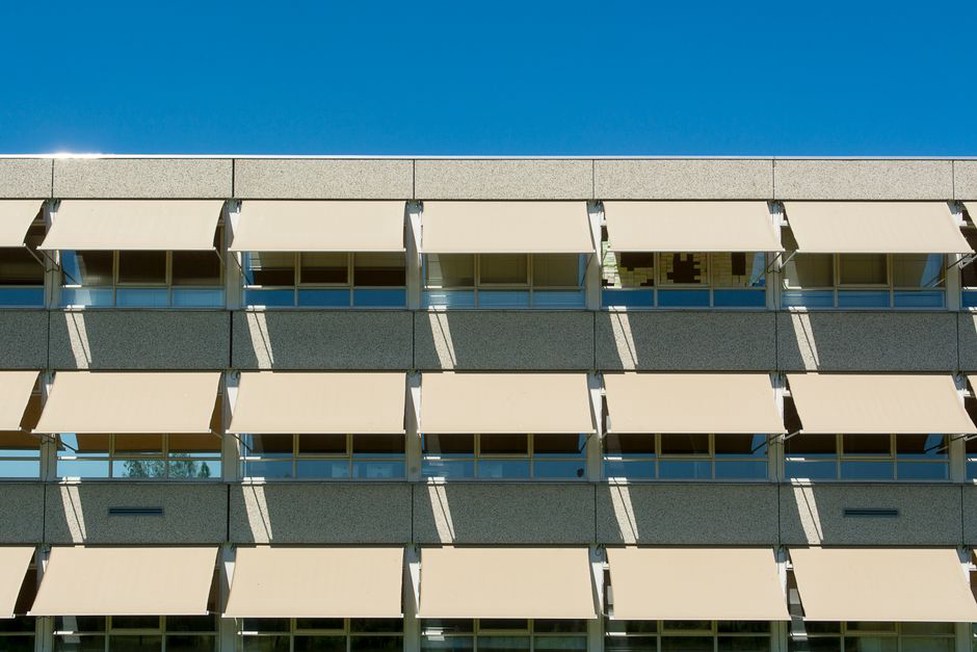
Learn how site planning, envelope detailing, ventilation, efficient systems, materials, water management, and measurable targets support a sustainable, durable home.

Learn how to plan recreation facilities around operations, flexible spaces, accessibility, energy use, safety, maintenance, and whole-life costs.