

How to Use Building User Feedback in Design and Operations
Learn how to collect, assess and act on feedback from building users, with practical steps for issue logs, prioritisation, testing and follow-up.
Learn how to collect, assess and act on feedback from building users, with practical steps for issue logs, prioritisation, testing and follow-up.

Show clients evidence they can assess: clear project roles, credentials, service scope and measured claims on architecture and property business websites.

Practical editing advice for architecture and property blogs: structure articles around reader questions, explain technical terms and check claims, visuals and layout.
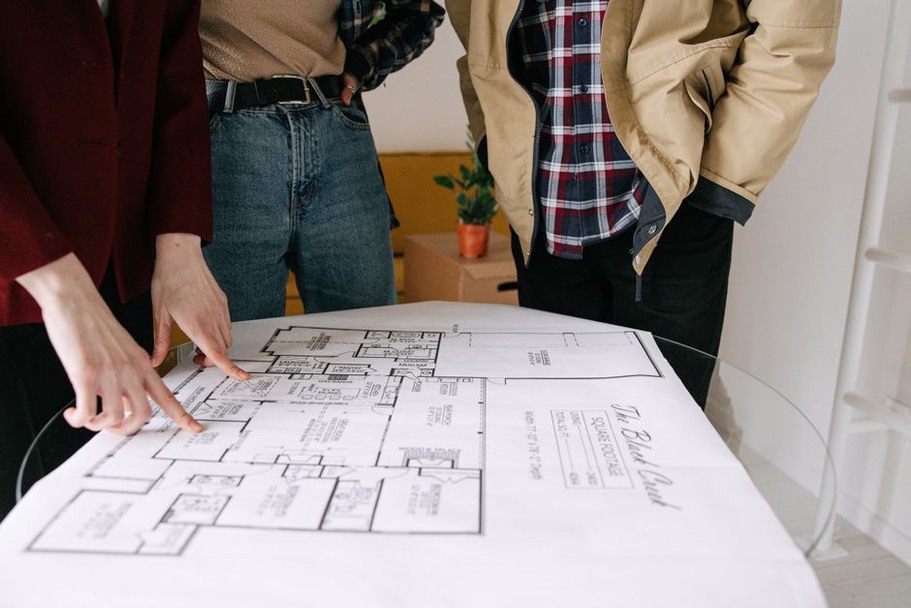
Explain scope, deliverables, approvals, fees and timing on an architectural service page so clients know what to expect before making an enquiry.

Practical newsletter ideas for architecture and property businesses, with guidance on audience, technical accuracy, consent, and measuring useful engagement.

Clear building navigation starts at the site approach. Learn how layout, signs, accessible routes and testing help visitors reach the right destination.
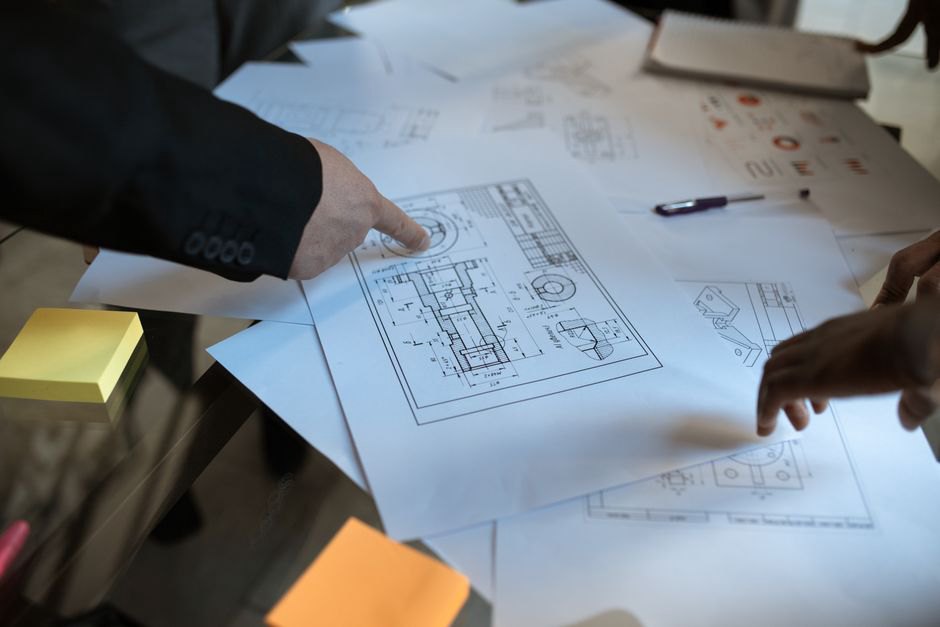
Choose a domain that fits your practice or project, is easy to share, and will last. Check naming risks, past use and registration ownership before launch.

Find and fix slow images, scripts and server responses on architecture project pages while keeping drawings, navigation and contact tools usable.

Plan architecture articles around client decisions, project evidence and review capacity, with a workable process for approvals, updates and measuring usefulness.
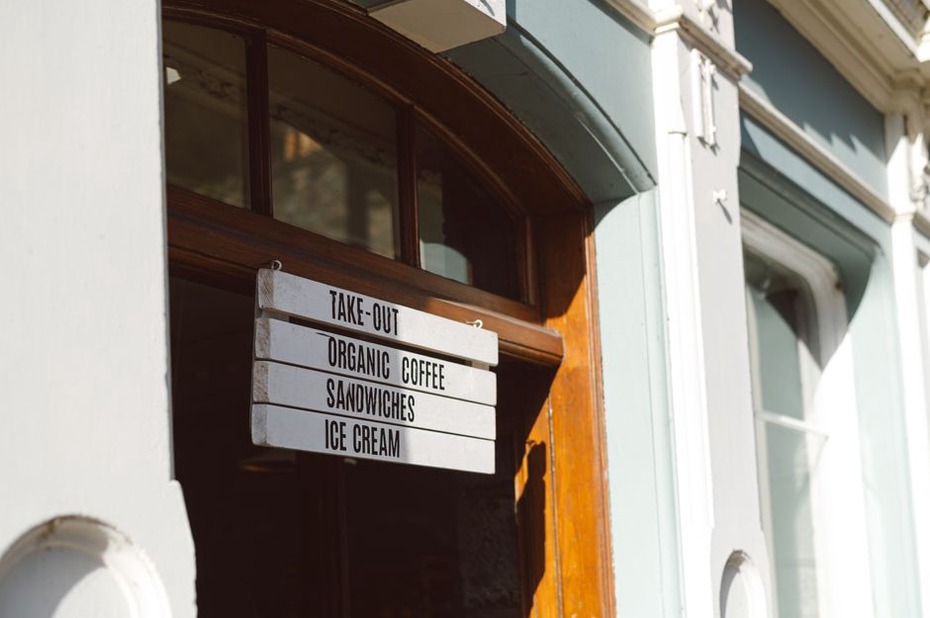
Practical local search checks for architects and property businesses: accurate listings, useful service pages, credible project evidence and working contact routes.