
Choose a main dish you can finish before guests arrive. Roasted vegetables and chicken, baked pasta, or a substantial grain salad leave you free to answer the door and join the conversation. The useful question is how much cooking will still need your attention once people arrive.
A relaxed dinner starts with the home you have: how many people can sit comfortably, what the kitchen can handle, and where coats, drinks, and used plates will go. You do not need a large dining room or special equipment. You need a plan that fits the space.
Set the size of the gathering before planning the meal
Start with seats, not invitations. Count the places at a suitable table that do not block a doorway, the route to the bathroom, or access to the kitchen. An extra chair may fit on paper but leave its occupant unable to get up without moving two other people. Pull out every chair, then walk the routes guests will use.
In a small home, seating four comfortably may work better than squeezing in six. For a larger group, a buffet with informal seating can be a deliberate choice. Tell guests what to expect so they can dress and plan accordingly. If you are serving a seated meal, reserve table space for shared dishes only if they will stay there; otherwise, use a counter or sideboard.
Choose a start time that leaves a realistic preparation window. An invitation for 7:00 p.m. need not mean dinner at 7:00, but guests should know whether to expect a drink first or a meal soon after. Include practical details such as stairs, parking restrictions, or a dog in the home. Ask about dietary needs when you invite people, not when you are serving.
Build the menu around the final 30 minutes
The half hour around arrival is often the busiest. Work backward from it. Aim to have most cooking, washing, chopping, and arranging done earlier, with only a few tasks left that do not demand constant attention. One hot main, a room-temperature side, and a simple dessert are easier to coordinate than several dishes needing the oven at different temperatures.
Before settling on the menu, write down every last-minute task. “Roast vegetables” sounds simple until the oven is also needed to reheat the main and warm bread. A salad is quick to finish only if the ingredients are already washed and dried. If the list grows too long, swap one dish for something served cold or at room temperature.
Choose forgiving dishes
Forgiving food still tastes good if dinner starts 15 minutes late. Braises, baked pasta, hearty salads, and many roasted vegetables give you that flexibility. Individual steaks or delicate fried food demand a narrower serving window. They can work, but they are harder to manage when you also need to greet guests, offer drinks, and attend to the table.
Check how many servings a recipe makes and whether those are modest portions or a full meal. A light main may need a filling side such as potatoes, rice, or bread. A little extra of one versatile dish is generally easier to manage than several backup options. Confirm dietary needs explicitly, and check sauces, dressings, and garnishes as well as the main dish. Removing a topping from a prepared dish may not make it safe for someone with a food allergy; cross-contact can matter.
Make dessert independent of the oven
Prepare dessert earlier or buy something ready to serve. Fruit with yogurt or cream, a chilled pudding, or a cake that only needs slicing leaves the kitchen free for dinner. If a guest offers to bring something, suggest a specific, nonessential item, such as a dessert that needs neither heating nor refrigeration. Then the meal will not depend on it arriving on time.
Prepare the room as carefully as the food
Walk through the home as if you were arriving for the first time. Where will coats and bags go? Is the route to the bathroom clear? Can someone carry a plate from the serving area to a seat without crossing the cook’s path? Moving a piece of furniture or clearing storage may help more than adding decorations.
Keep working surfaces clear. A spot near the entrance prevents bags from piling up on dining chairs, while an open counter gives you somewhere to set dishes coming out of the oven. If drinks are self-serve, group glasses, water, and nonalcoholic options away from the food-preparation area. Guests can help themselves without crowding the kitchen.
Guests need enough light to see their plates and move safely between rooms. If overhead light feels harsh, use a lamp without leaving the table dim. Keep candles out of reach of sleeves, children, and pets. Strong scents can compete with the food, so scented candles are easy to skip.
Check the temperature before anyone arrives. Cooking and a full room can make a space warmer than expected. Ventilate while cooking where practical, and adjust the thermostat or open a window before guests sit down. Leave controls and windows accessible in case the room needs another adjustment later.
Check the table for actual use
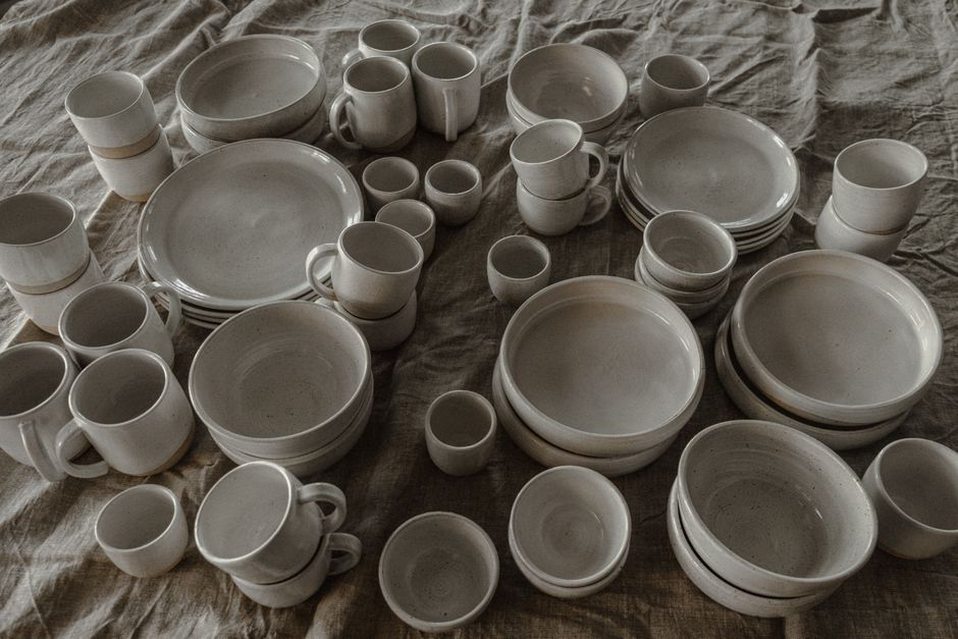
Set out the plates, glasses, utensils, napkins, and serving pieces, then sit down. Can chairs pull out easily? Can someone reach the water jug without leaning over a neighbor? If a centerpiece blocks the view across the table, move it. On a small table, salt, extra napkins, and serving dishes can go on a nearby surface.
There is no need to buy matching items for one evening. Different glasses or chairs matter less than a comfortable seat and the right utensils for each person. Count the water glasses and serving spoons, and find a heat-safe place for cookware before it comes out of the oven.
Use a short preparation schedule
A short written sequence is easier to follow while answering the door than a list you are trying to remember. Include the tasks that affect the meal or guests’ comfort; there is no need for a minute-by-minute plan.
- Two or three days before: Confirm the guest count and dietary needs, choose the menu, and check pantry supplies and serving pieces.
- The day before: Buy the remaining ingredients, make suitable dishes or components, clear refrigerator space, and check bathroom supplies.
- Earlier on the day: Set the table, prepare vegetables and cold sides, chill drinks, and put away unrelated kitchen clutter.
- Before guests arrive: Finish time-sensitive cooking, take out waste if needed, set out water and glasses, and leave a clean surface for serving.
Leave some extra time, especially for a dish you have not made before. Oven performance, baking-dish size, and ingredient temperature can all affect cooking time. Check doneness by an appropriate method rather than relying on the timer alone. For meat and other foods that require safe cooking, use a food thermometer and follow applicable food-safety guidance. Keep perishable food refrigerated until needed; do not leave it out for a long evening.
You do not need to test every recipe in advance. But an unfamiliar, technically demanding dish is a risky centerpiece when dinner must be served at a set time. If trying something new is part of the fun, serve it with familiar sides that can still make a meal if it takes longer than expected.
Plan an easy arrival
Try to be free to stop working when guests come in. Set out drinks and a small snack beforehand, even if dinner is soon. Water is essential, and another nonalcoholic option is considerate. Choose a snack that needs no utensils and makes little mess. It is there to make a short wait pleasant, not to add another course to manage.
Show guests where to leave coats and find drinks. If someone offers to help, give them a contained task: filling water glasses or carrying a finished dish to the table. A general request to “help with dinner” can crowd a compact kitchen. Guests can also help by keeping the conversation going in another room.
Decide in advance how long you are willing to wait for late arrivals. Food that tolerates a short delay makes the decision easier. If you start without someone, let them know rather than allowing hot food to cool while everyone waits.
Serve in a way that fits the space
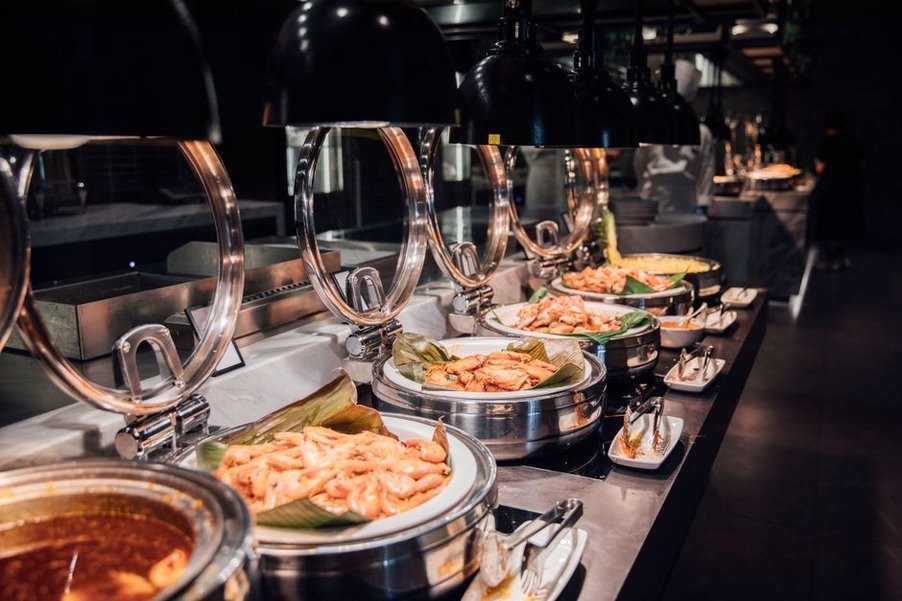
Plating food gives you control over portions but may mean repeated trips to the kitchen. Family-style serving lets guests choose for themselves, though bowls and serving utensils take up table space. A buffet clears the table if you have enough counter room and an open route to it. Choose the arrangement that means the least awkward movement in your room.
For a buffet, put plates at the start of the line and place utensils and napkins where guests will not have to juggle them while serving. Keep drinks separate so people fetching water do not interrupt the food line. If guests will eat away from the table, choose food they can manage with a plate on their lap; a dish needing both a knife and a fork will be awkward.
Keep finished food separate from dishes still in preparation. A designated counter or tray makes it clear what is ready and helps prevent a used spoon from being mistaken for a clean serving utensil. If a dish contains an ingredient a guest needs to avoid, say so plainly when serving.
Make cleanup smaller, not invisible
You do not have to restore the kitchen while guests are still there. Clear plates between courses, collect used dishes in one area, and promptly refrigerate food that needs it. Empty the dishwasher before guests arrive so plates have somewhere to go. Without one, leave room beside the sink for orderly stacking.
Have clean containers ready for leftovers. Refrigerate perishable dishes promptly instead of leaving them on the table through dessert and conversation. If guests take food home, use containers you do not need back immediately and tell them which dishes require refrigeration.
Afterward, note one bottleneck for next time. If three dishes competed for the oven, make one a cold side. If guests had to enter the kitchen for water, move the jug to a side table. One small change is enough to make the next dinner easier.