
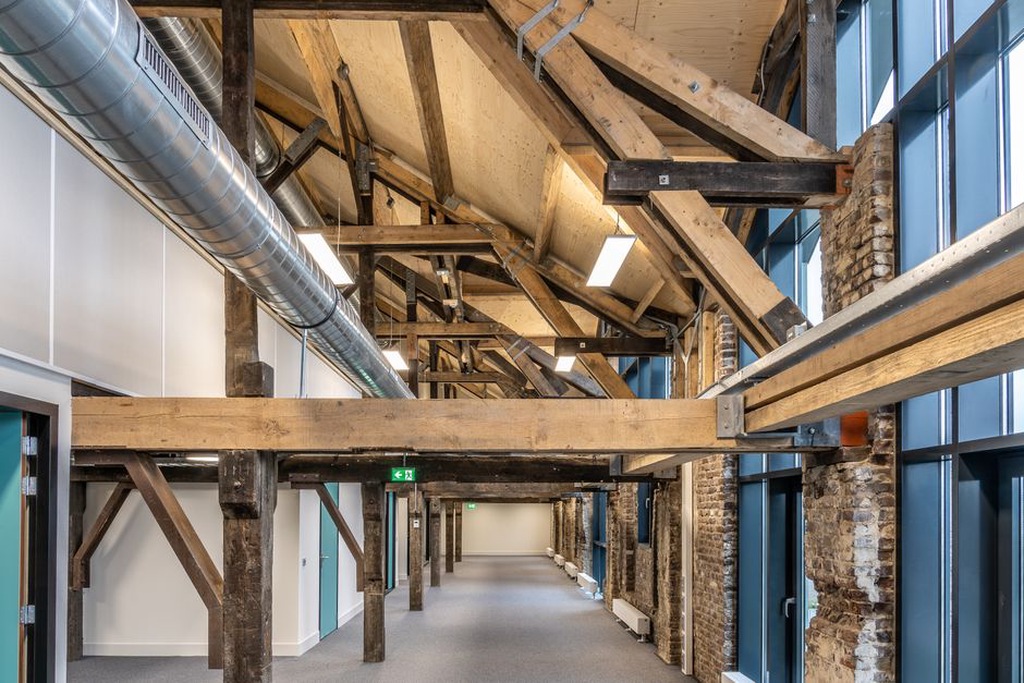
Adaptive Reuse of Historic Buildings: Planning, Risk and Design Principles
Learn how to adapt historic buildings for new uses while managing heritage value, technical risk, approvals, safety, accessibility, services, and cost.
Learn how to adapt historic buildings for new uses while managing heritage value, technical risk, approvals, safety, accessibility, services, and cost.
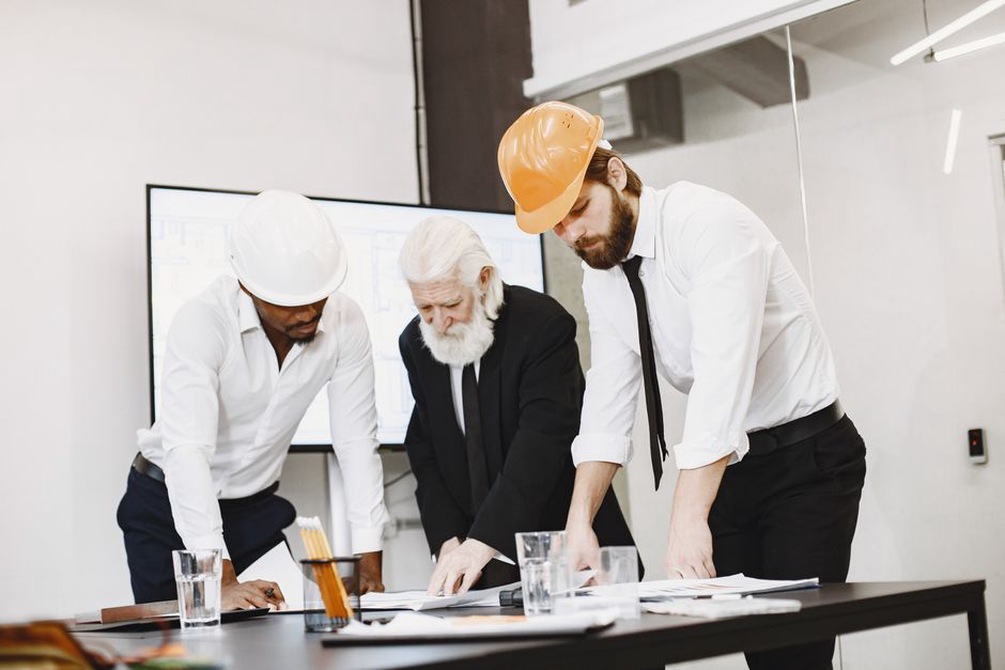
Learn how BIM, reality capture, prefabrication, smart building systems, and digital records can support coordination, cost control, compliance, and building operations.

A practical guide to converting former factories, warehouses, mills, and power stations while addressing feasibility, safety, heritage, energy performance, construction risk, and long-term operation.
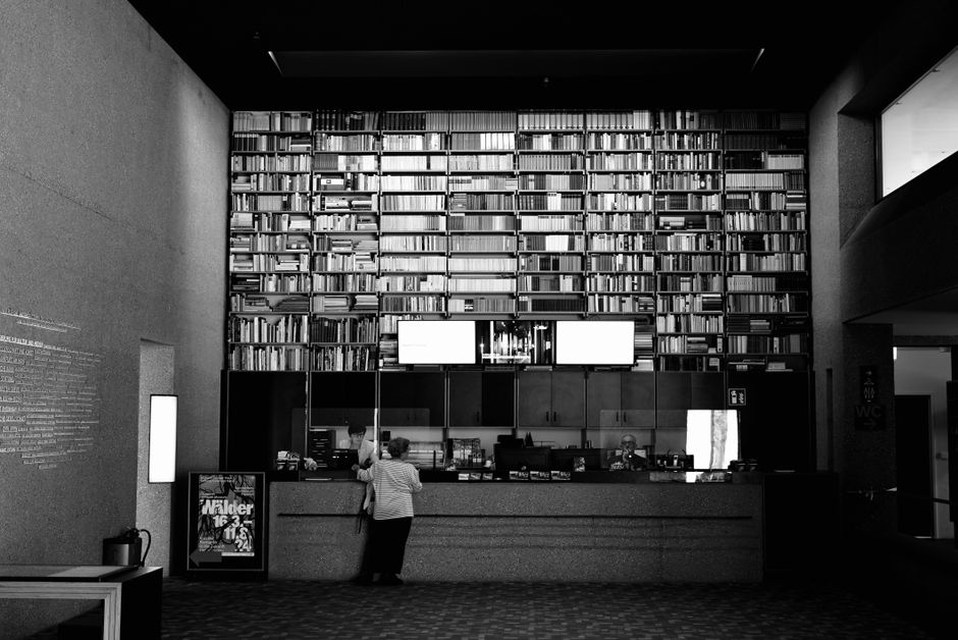
Learn how to integrate security into public building design through access zoning, circulation planning, life safety, accessibility, technical coordination, and operational testing.
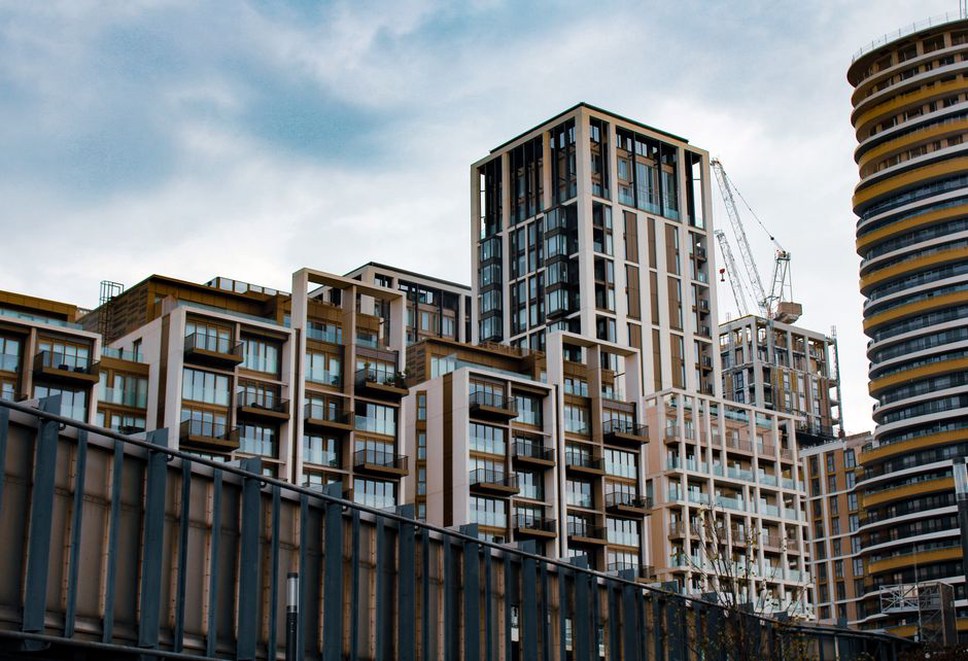
Learn how modular construction affects urban project design, approvals, logistics, cost control, performance, procurement, and environmental assessment.
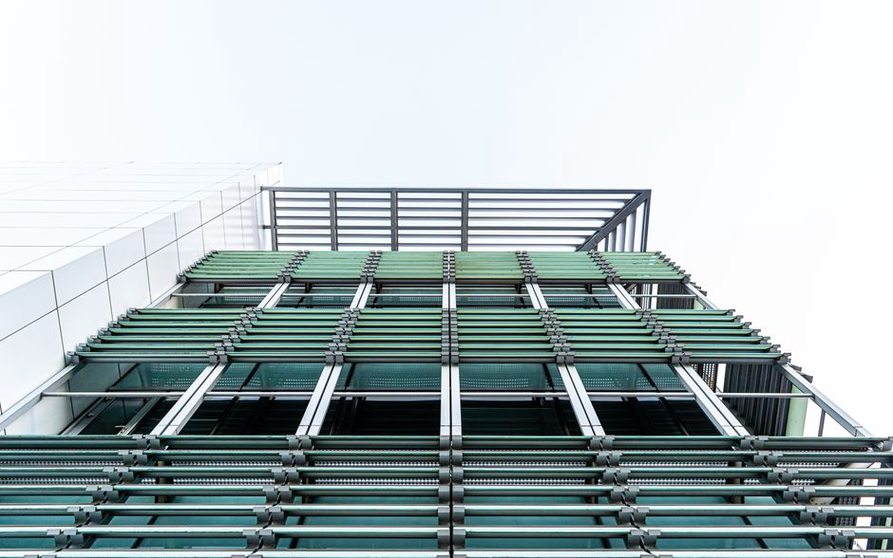
Learn how climate-responsive building design can reduce operational and embodied carbon, manage climate risks, and improve long-term property resilience.
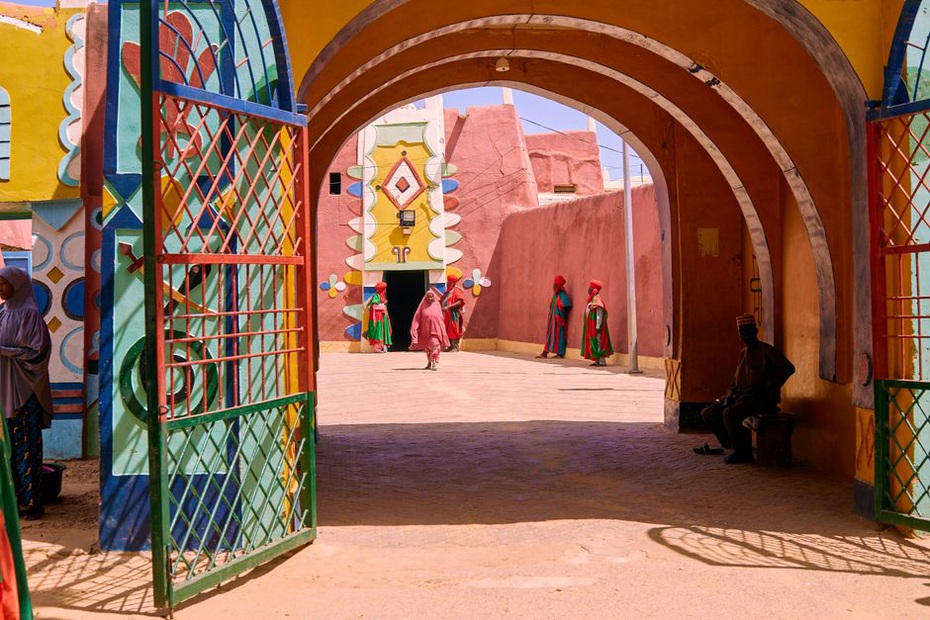
Learn how cultural context shapes architectural briefs, building performance, material choices, public consultation, and long-term building operation.
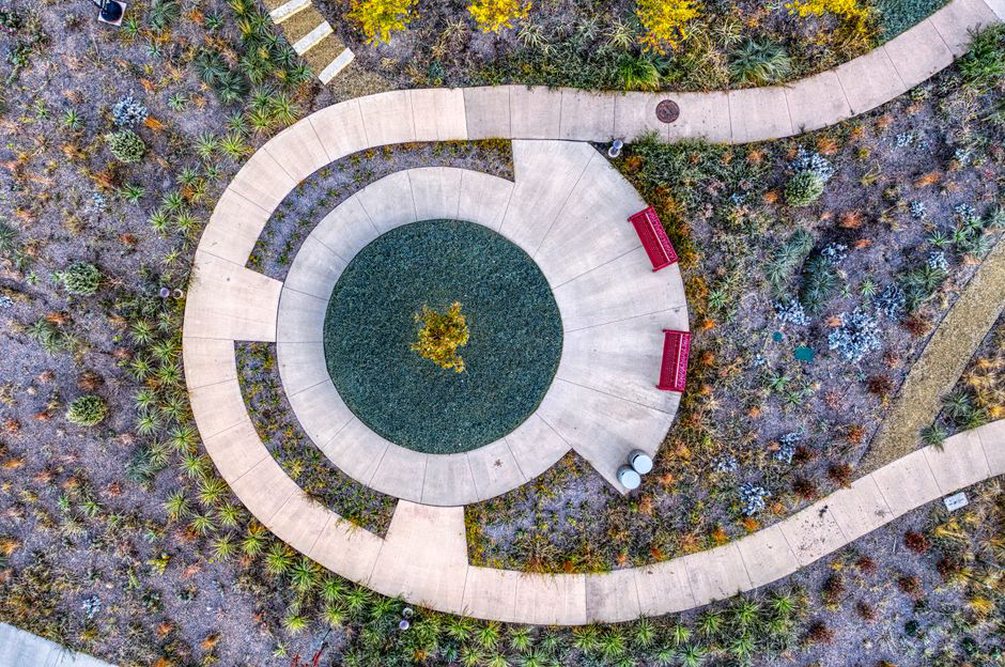
How to plan urban green spaces that manage stormwater, reduce heat, support biodiversity, serve daily users, and remain maintainable over time.
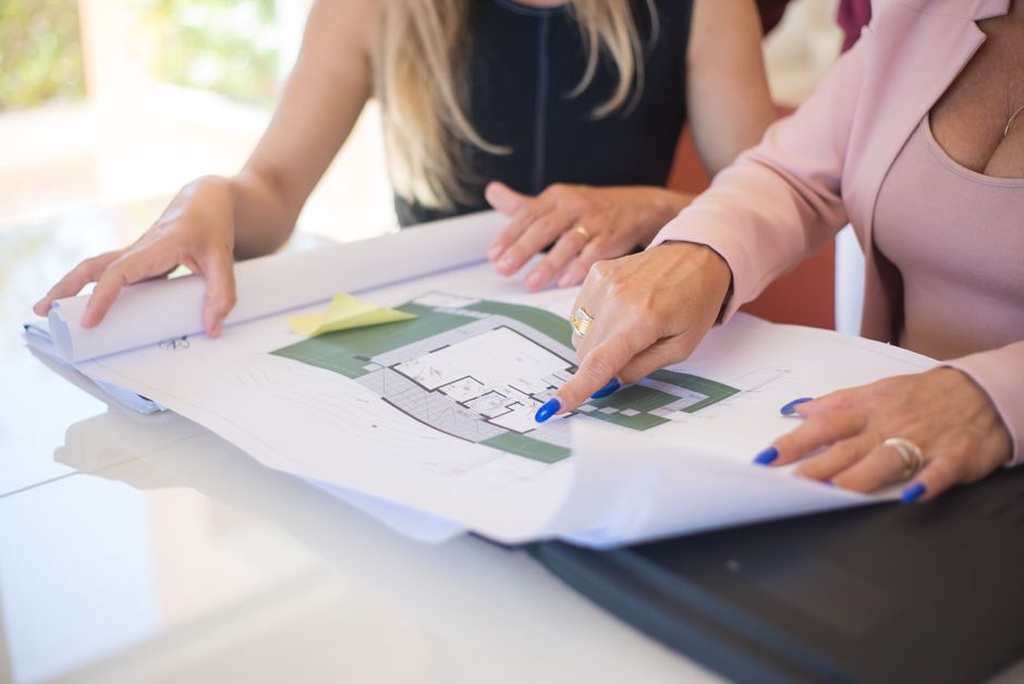
Learn how planning, façades, room layouts, partitions, building services, and site testing affect acoustic performance in residential, commercial, public, healthcare, and education buildings.
Learn how architectural decisions are managed through feasibility, design, permitting, construction, handover, operation, maintenance, and building renewal.