
Adaptive reuse is the innovative practice of giving old buildings new purposes, a trend increasingly popular as urban areas grapple with limited space and environmental concerns. This method not only preserves the historical character of structures but also offers significant economic and ecological advantages. By reimagining existing buildings, architects and developers can create solutions that cater to modern needs while honoring historical contexts.
The Historical Significance of Adaptive Reuse
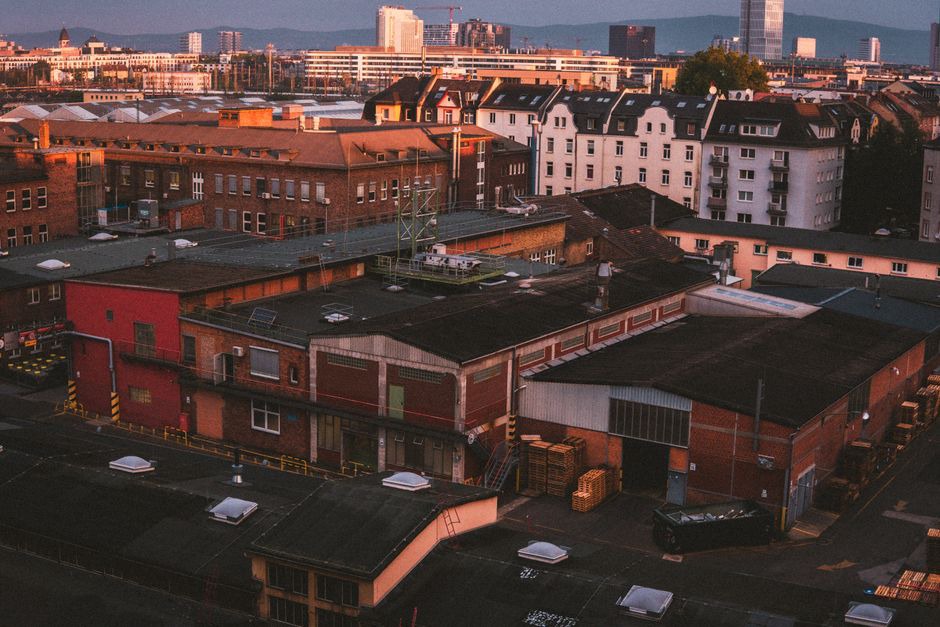
Repurposing buildings is not a new concept; it has been practiced for centuries. Churches have been transformed into community centers, factories into loft apartments, and warehouses into stylish office spaces. This approach values existing structures for their cultural heritage and the energy already invested in them. For example, converting an old factory into a modern office can greatly reduce the carbon footprint compared to demolishing and starting anew.
Environmental Benefits
Adaptive reuse offers substantial environmental benefits. By using existing structures, it minimizes the need for new materials, thus reducing construction waste and conserving resources. This practice aligns with sustainable architecture, which emphasizes lowering energy consumption and environmental impact. The role of architecture in shaping smart cities increasingly focuses on sustainable solutions like adaptive reuse to tackle urban challenges.
Economic Advantages
Economically, adaptive reuse can be a cost-effective strategy. Renovating existing buildings often incurs lower costs than new constructions, especially when considering expenses related to demolition and site preparation. These projects can also boost local economies by attracting businesses, residents, and tourists drawn to the unique charm of repurposed spaces.
Challenges in Adaptive Reuse
Despite its advantages, adaptive reuse projects come with their own set of challenges. A major obstacle is dealing with building codes and regulations, which are typically designed for new constructions and may not suit older buildings. This requires creative solutions and discussions with regulatory bodies. Additionally, unexpected structural issues can arise, such as outdated electrical systems or hazardous materials like asbestos.
Architectural and Design Considerations
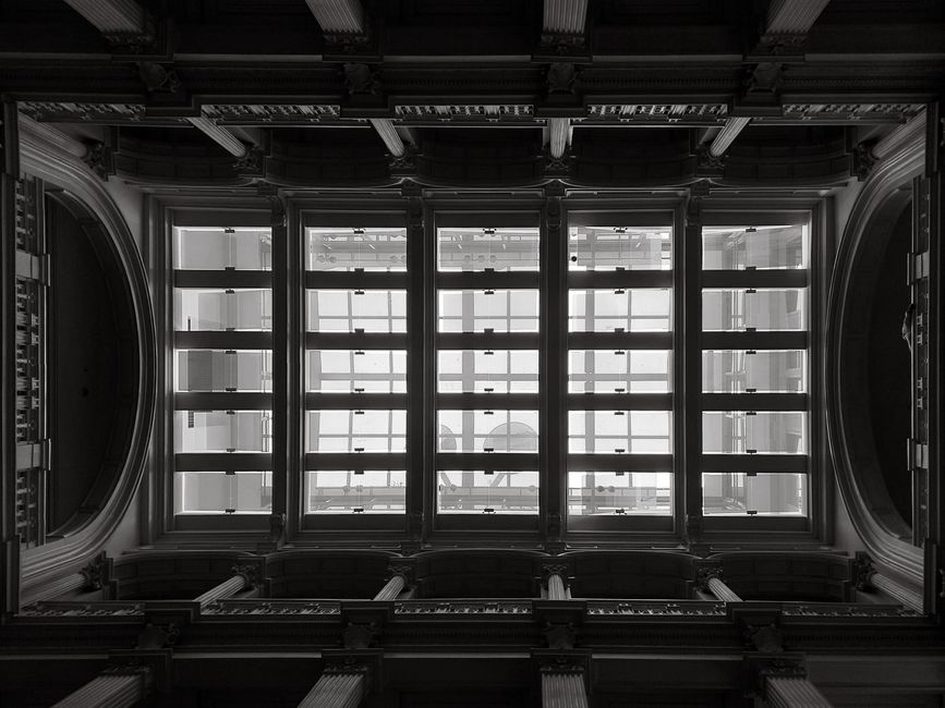
Architects must skillfully integrate modern amenities and technologies into historic buildings without compromising their integrity. This involves preserving historical features while ensuring functionality and efficiency. For instance, incorporating modern HVAC systems or technology infrastructures can be complex in older buildings. Innovative design techniques, akin to those used in illuminating architecture, are crucial in blending the old with the new.
Successful Examples of Adaptive Reuse
- The Tate Modern, London: This former power station is now one of the world's leading contemporary art museums.
- High Line, New York City: Once an elevated railway track, it has been transformed into a celebrated urban park.
- Gasometers, Vienna: Originally gas storage tanks, these have been converted into residential and commercial spaces.
The Future of Adaptive Reuse
As urban areas continue to expand, the need for sustainable and innovative architectural solutions will grow. Adaptive reuse offers a promising path, preserving cultural heritage while addressing modern demands. By converting old structures into functional spaces, architects and developers can enhance the aesthetic and practical value of cities, contributing to more sustainable urban environments.