
The Fundamental Importance of Light
Light plays a pivotal role in architectural design, shaping how we perceive and interact with spaces. It's not just about illumination; architects use light as a creative tool to mold shapes, set moods, and enhance the visual appeal of structures. The interaction between natural and artificial light significantly affects our architectural experience, making it a vital aspect of the design process.
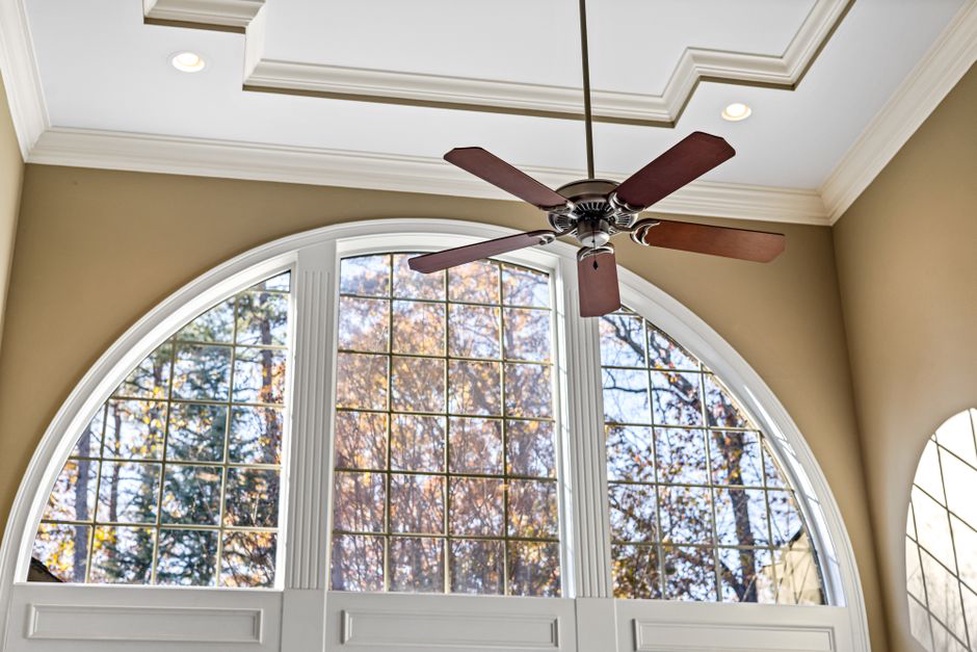
Natural Light: Harnessing Its Benefits
Natural light is prized for its ability to transform spaces as the day progresses. It boosts energy efficiency by reducing dependence on artificial lighting and enhances occupants' well-being by connecting them to the outdoors. Architects carefully position windows, skylights, and other openings to maximize exposure to natural light, taking into account factors like orientation, climate, and building function.
Techniques for Optimizing Natural Light
- Orientation and Placement: Aligning buildings to follow the sun's path can greatly influence light availability. South-facing orientations generally provide the most consistent sunlight.
- Material Selection: Using materials such as glass, reflective surfaces, and light-colored finishes can improve the distribution and quality of natural light within spaces.
- Architectural Features: Adding elements like atriums, light wells, and clerestory windows can channel light into deeper areas of a building.
Artificial Lighting: Designing for Functionality and Mood
Artificial lighting is essential, especially in areas with limited natural light or during nighttime. Designing artificial lighting requires careful planning to achieve the desired atmosphere, functionality, and energy efficiency.
Types of Artificial Lighting
- Ambient Lighting: Offers general illumination to ensure visibility and safety.
- Task Lighting: Targets specific areas where activities occur, such as reading or cooking.
- Accent Lighting: Highlights architectural features or artwork, adding depth and interest to spaces.
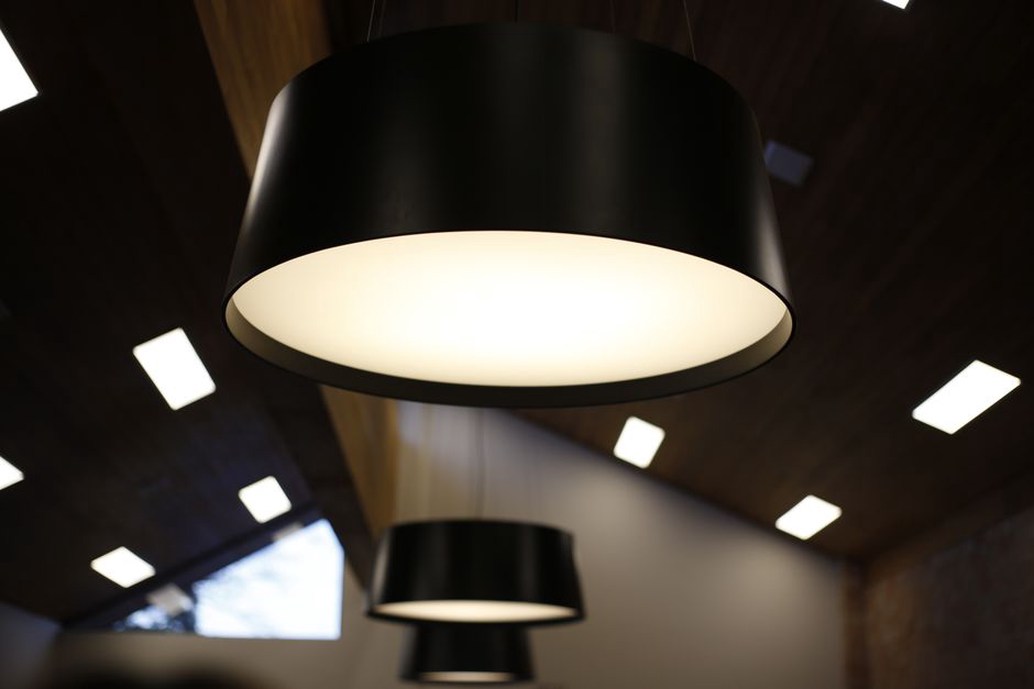
Integrating Light with Architectural Form
Effective architectural design involves blending light with form and function. This fusion can enhance spatial qualities, guide movement through areas, and contribute to a building's overall narrative. For example, strategically placed lighting can highlight architectural details or create visual hierarchies that draw attention and influence navigation.
Architects often explore the intersection of art and architecture, as discussed in The Intersection of Art and Architecture: Enhancing Spaces with Creativity, to enrich their designs with innovative lighting solutions.
Technological Advancements in Lighting Design
Recent technological advancements have transformed lighting design, offering new avenues for innovation and sustainability. LED technology, for instance, provides energy-efficient options with varied color temperatures and brightness levels. Smart lighting systems can adjust conditions based on occupancy and time of day, optimizing energy use and enhancing comfort.
Exploring sustainable materials, as highlighted in Exploring Sustainable Materials in Public Building Projects, is crucial in modern lighting design, where environmental impact is a key consideration.
Challenges and Considerations
Designing with light involves addressing challenges like glare, heat gain, and light pollution. Architects must balance aesthetic goals with practical constraints, ensuring that lighting solutions are both beautiful and functional. The integration of light must consider the building's context, including its urban or rural setting, as well as its intended use and the comfort of its occupants.
The role of light in architectural design is ever-evolving, influenced by technological advances and societal needs. By prioritizing thoughtful lighting design, architects can create spaces that are functional, efficient, and inspiring.