
Rethinking Spaces for Modern Learning
Educational campuses are evolving rapidly to meet the diverse needs of today’s learners. The focus is shifting from traditional, rigid classroom designs to more versatile spaces that promote collaboration and creativity. This change reflects a broader understanding of how different environments can enhance learning experiences.
Flexible Learning Environments
A significant development in campus design is the introduction of flexible learning environments. These areas can be easily adjusted to accommodate various teaching styles and group sizes. Movable furniture and modular walls allow for quick transformations from lecture setups to interactive group workspaces, supporting a wide range of educational activities.
Integration with Technology
Technology is becoming an integral part of modern campus design. Features like interactive whiteboards, smart projectors, and wireless internet access are now commonplace. These tools not only enrich the learning process but also equip students with skills for a tech-driven world. Additionally, virtual and augmented reality are being explored to offer immersive educational experiences that go beyond traditional classrooms.
Sustainability and Environmental Design
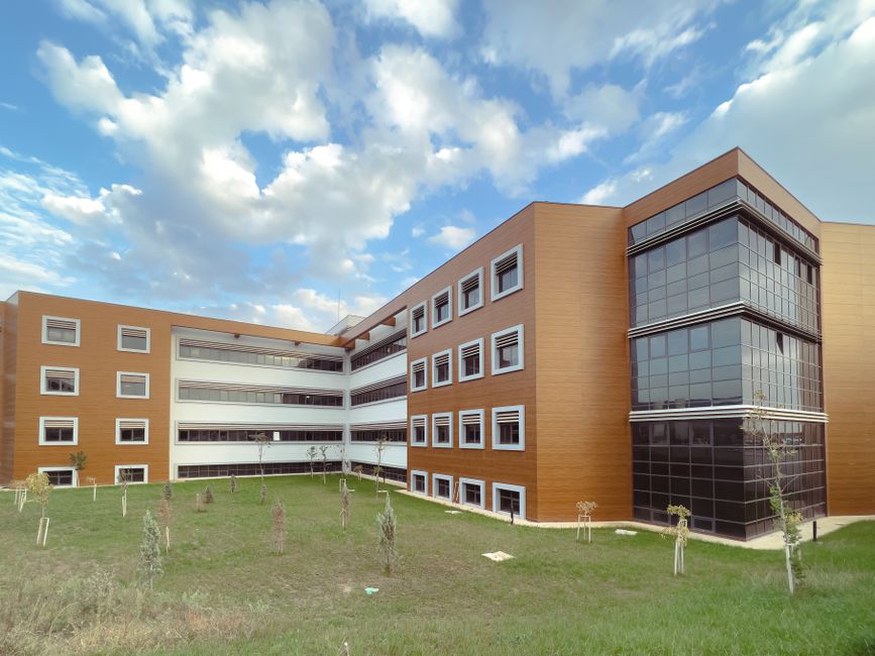
Sustainability plays a vital role in the design of new educational facilities. Institutions are adopting eco-friendly building practices to minimize their environmental footprint. This includes using sustainable materials, implementing energy-efficient systems, and designing spaces that maximize natural light and airflow. Such practices not only cut costs but also create healthier environments for learning.
For a deeper understanding of how high-performance buildings incorporate sustainable design elements, you might explore our insights on high-performance buildings, which delve into energy efficiency and environmental considerations.
Collaborative and Social Spaces
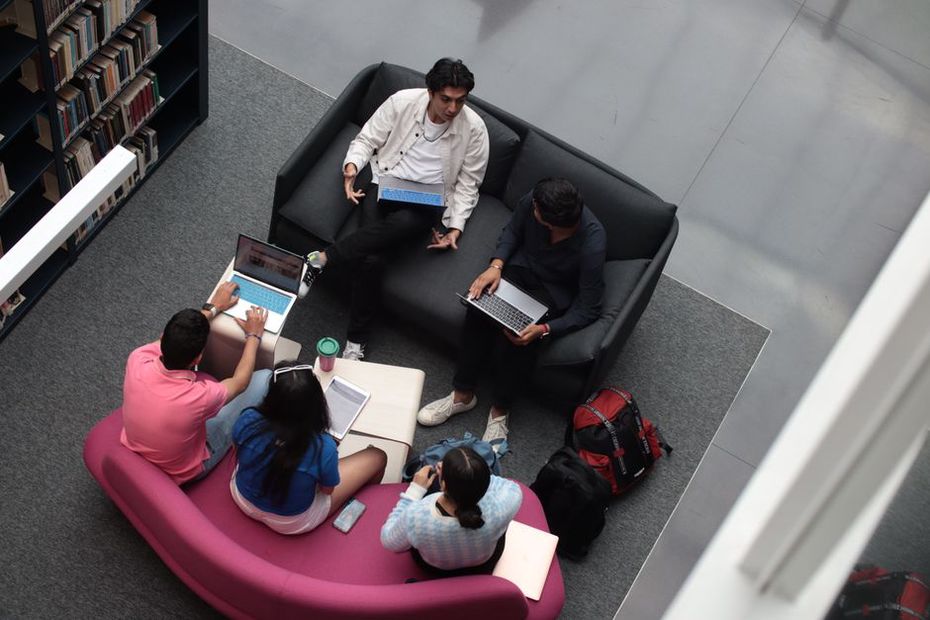
Recognizing the value of social interaction in education, campuses now feature more areas designed for collaboration. From informal lounges to dedicated study zones, these spaces encourage students to connect and share ideas. They are essential for developing communication and teamwork skills, which are crucial in the professional world.
Engaging the Community
Modern campuses are increasingly becoming community hubs. By opening their facilities for public use and hosting events, educational institutions can strengthen their ties with the community. This not only enriches the student experience but also positions the campus as a focal point for local engagement and activity.
Emphasizing Well-being
There is a growing focus on designing campuses that support students' mental and physical health. This includes providing access to green spaces, recreational areas, and quiet zones for relaxation. By prioritizing well-being, schools can improve student satisfaction and academic performance.
The continuous transformation of educational campus design is a testament to the commitment to creating spaces that are functional, inspiring, and inclusive. As educational needs evolve, these innovative designs will play an essential role in shaping the future of learning.