
Modern architecture increasingly focuses on designing buildings that cater to the people who use them. This user-centric approach aims to create spaces that are easy to navigate, accessible, and adaptable to the occupants' needs, whether they're living, working, or visiting. Such thoughtful design not only improves the building's functionality and comfort but also enhances its sustainability and economic success.
Understanding User Needs
Central to user-centric design is a deep understanding of what the building's users need and expect. This means engaging with potential occupants to learn about their daily routines, preferences, and challenges. The Role of Public Engagement in Community Building Projects underscores the importance of involving community members in the design process to ensure their needs are accurately reflected.
Functional Flexibility
A core principle of user-centric design is functional flexibility. Buildings should be able to accommodate different uses and activities, allowing spaces to be easily adjusted as needs change. This is especially crucial in commercial and educational settings, where space demands can vary greatly. By using movable walls, modular furniture, and adaptable layouts, architects can create versatile environments that support diverse functions.
Accessibility and Inclusivity
Designing for accessibility and inclusivity is another fundamental aspect of user-centric architecture. Buildings should be usable by people of all abilities, including those with mobility, sensory, or cognitive challenges. This requires careful planning of features like ramps, elevators, tactile signage, and intuitive navigation systems. Designing for inclusivity not only meets legal and ethical standards but also improves the overall experience for everyone.
Creating Comfortable Environments
Comfort plays a vital role in user-centric design, influencing both physical and mental well-being. Elements like temperature control, acoustics, lighting, and air quality significantly affect how people perceive and interact with a space.
Thermal Comfort
Keeping indoor temperatures comfortable is key to occupant satisfaction. This can be achieved through climate-responsive design strategies, as detailed in Embracing Climate-Responsive Architecture for a Sustainable Future. By using passive heating and cooling techniques, natural ventilation, and energy-efficient HVAC systems, architects can create environments that are both comfortable and sustainable.
Acoustic Considerations
Acoustics greatly influence the usability of a space. Poor acoustics can increase stress and reduce productivity, especially in workplaces and educational settings. Effective soundproofing, sound-absorbing materials, and strategic spatial planning can help manage noise levels and enhance a building's acoustic quality.
Enhancing User Experience Through Design
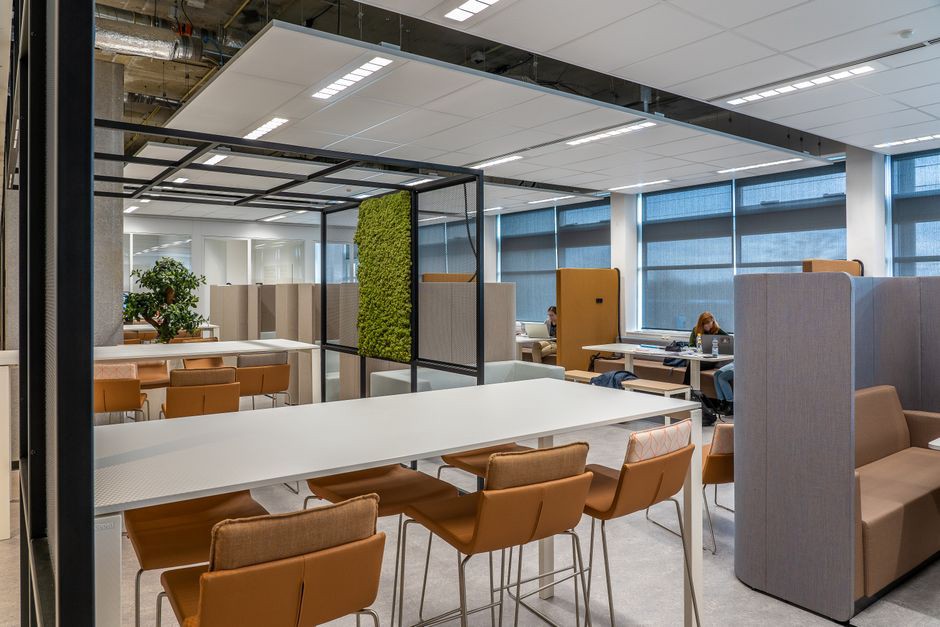
User experience goes beyond functionality and comfort, encompassing aesthetic and emotional elements. A well-designed building can evoke positive emotions, encourage social interactions, and foster a sense of belonging.
Biophilic Design
Incorporating nature into the built environment through biophilic design can significantly enhance user experience. This involves using natural materials, adding greenery, and maximizing natural light. Biophilic design has been shown to boost mood, reduce stress, and increase productivity among occupants.
Wayfinding and Navigation
Effective wayfinding is essential in creating a user-friendly environment, especially in large or complex buildings. Clear signage, intuitive layouts, and digital navigation aids help users find their way and move efficiently through a space. Prioritizing simplicity and clarity in design can greatly improve the overall user experience.
Conclusion
Creating user-centric buildings involves a comprehensive approach that considers the varied needs and preferences of occupants. By focusing on functionality, accessibility, comfort, and experience, architects can design environments that not only meet practical requirements but also enrich daily life. As architectural practices continue to evolve, prioritizing user-centric design will remain a key component of successful building projects.