
Understanding Climate-Responsive Architecture
Climate-responsive architecture focuses on designing buildings that work in harmony with their local environment. This approach uses passive design techniques to lower energy usage, improve comfort, and lessen environmental impact. By carefully considering building orientation, material choice, and system design, architects can greatly enhance a building's energy efficiency and sustainability.
Key Principles of Climate-Responsive Design
Several principles are crucial to successful climate-responsive architecture:
- Building Orientation: Correct orientation can make the most of natural light and decrease reliance on artificial heating and cooling. For instance, south-facing windows can capture solar energy in colder areas, while shading devices can reduce heat gain in hotter climates.
- Thermal Mass: Using materials like concrete or brick, which have high thermal mass, helps maintain stable indoor temperatures by slowly absorbing and releasing heat.
- Natural Ventilation: Designing for cross-ventilation can naturally cool spaces and enhance indoor air quality.
- Insulation: Proper insulation minimizes energy loss, keeping indoor temperatures comfortable throughout the year.
Innovative Architectural Solutions
Architects are increasingly turning to innovative solutions to tackle climate challenges. These methods not only promote sustainability but also improve the aesthetic and functional qualities of buildings.
Green Roofs and Walls
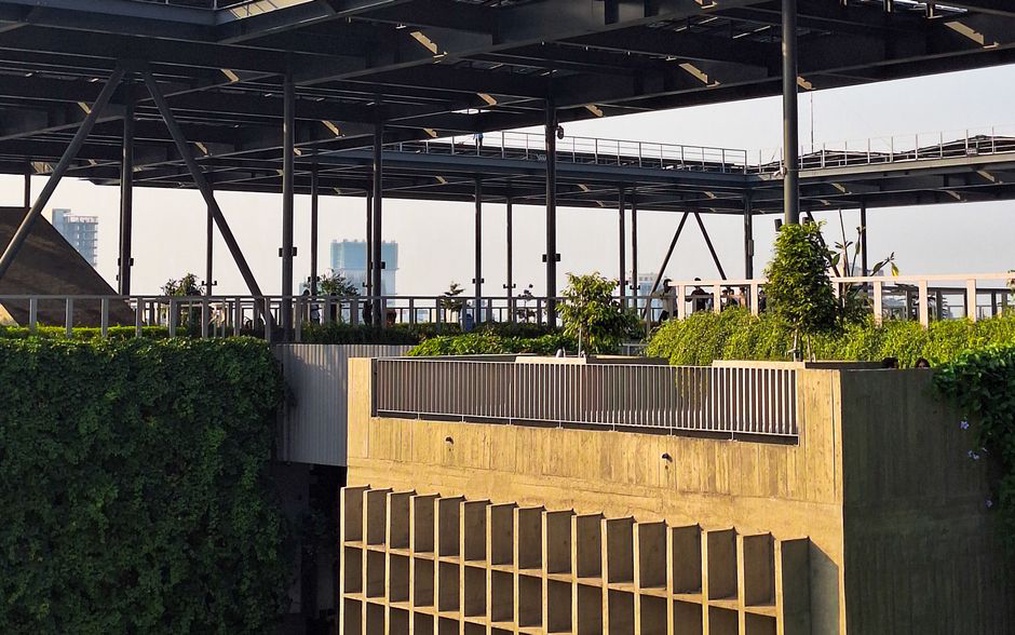
Green roofs and walls enhance a building's thermal performance by providing natural insulation, reducing urban heat, and supporting biodiversity. They also add visual appeal and can be applied to both new and existing structures.

Adaptive Facades
Adaptive facades are building exteriors that respond to environmental changes. They adjust based on light, temperature, and time of day to optimize energy use and indoor comfort. Technologies like smart glass and movable shading devices are examples of this concept.
Rainwater Harvesting and Greywater Recycling
Water management systems, such as rainwater harvesting and greywater recycling, can significantly reduce a building's water usage. These systems collect and reuse water for non-drinking purposes, like irrigation and toilet flushing, promoting resource efficiency.
Integration into Urban Environments
Incorporating climate-responsive design in cities requires a comprehensive approach that considers both the building and its impact on the surrounding area. Urban planners and architects must collaborate to ensure developments positively affect the city's microclimate and ecology.
Case Study: Sustainable Urban Development
Some projects highlight the integration of sustainable urban development by focusing on the ecological and social aspects of communities. By doing so, architects can create spaces that improve quality of life while reducing environmental impact. For more insights, refer to The Importance of Sustainable Urban Development.
Challenges and Considerations
While climate-responsive architecture offers many benefits, it also presents challenges. Balancing aesthetics, functionality, and sustainability requires careful planning and execution. Moreover, regulatory frameworks and financial constraints can limit the adoption of innovative solutions.
Architects must use their project management skills to ensure that climate-responsive designs are both practical and effective. For strategies on effective project management, see Mastering Project Management in Architecture.
Conclusion
Climate-responsive design marks an essential shift in architectural practices, aligning with the increasing demand for sustainable buildings. By adopting innovative solutions and considering environmental factors, architects can create spaces that are energy-efficient and enhance the quality of life for their occupants. As climate challenges evolve, architecture's role in promoting sustainable development becomes more crucial.