
The Importance of Sustainable Urban Development
As cities around the globe grow, sustainable urban development has become a crucial focus. The challenge is to expand while caring for the environment, and architects are at the forefront of this effort. They design buildings and spaces that cater to human needs while enhancing both the natural and urban environments.
Design Principles for Sustainable Architecture
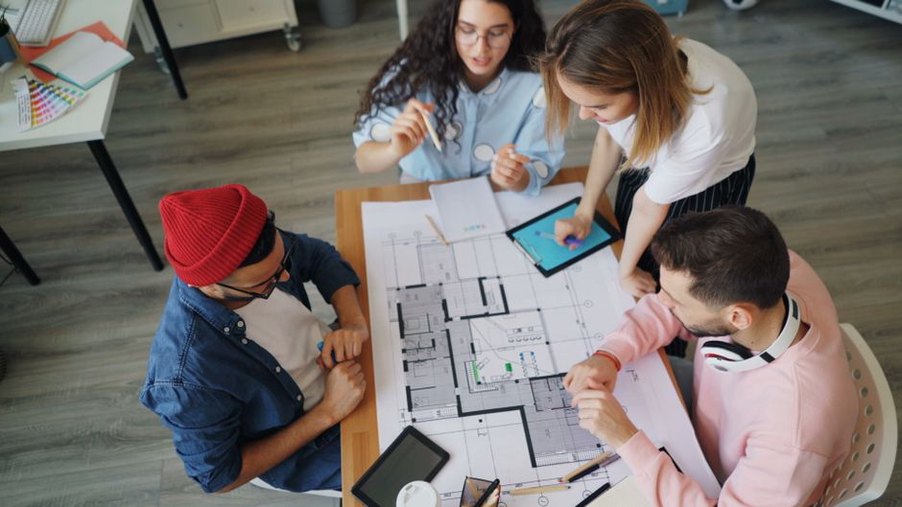
Architects are essential in weaving sustainability into urban development through creative design principles. These include energy efficiency, sustainable materials, and green spaces. For example, buildings that utilize passive solar heating, natural ventilation, and energy-efficient systems lessen dependence on non-renewable energy and reduce environmental impact.
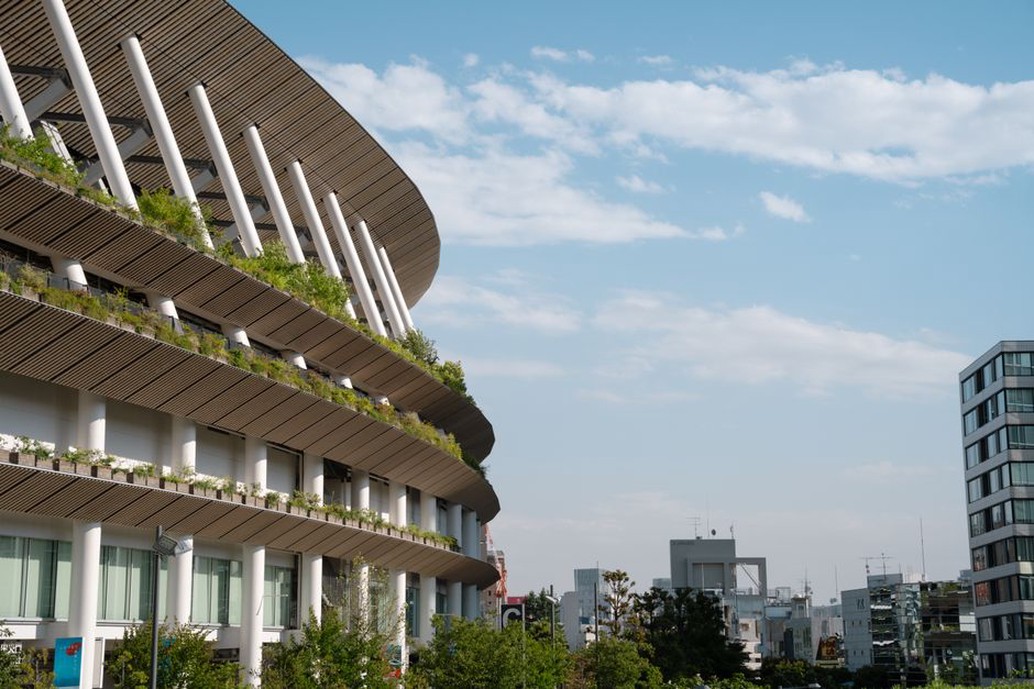
Using materials like recycled steel, bamboo, and low-VOC paints helps lower the carbon footprint of construction projects. Green roofs and urban gardens offer ecological benefits, boost biodiversity, and improve air quality. The growing importance of green spaces in urban design highlights the need for architects to focus on these elements in their projects.
Urban Integration and Community Engagement
For sustainable urban development to succeed, new buildings must blend well with existing urban settings, and community participation is vital. Architects need to consider the social and cultural characteristics of the neighborhoods they work in, ensuring that designs honor local heritage and encourage community interaction. This approach improves residents' quality of life and fosters a sense of ownership and pride in their surroundings.
Engaging with the community helps identify residents' needs and priorities, enabling architects to create solutions that address specific challenges. Whether designing educational facilities, as discussed in key considerations in designing educational facilities, or crafting lively public spaces, collaboration with local stakeholders is crucial for sustainable outcomes.
Challenges and Solutions in Sustainable Urban Development
Despite its benefits, architects encounter several hurdles in sustainable urban development, such as budget limitations, regulatory barriers, and resistance to change. Effective cost management strategies can alleviate some financial challenges. As outlined in mastering cost management in large-scale architectural projects, innovative solutions can optimize resources and reduce waste.
While regulatory challenges can be daunting, understanding and complying with building codes and standards can help. Architects must stay up-to-date with evolving regulations to ensure their designs meet necessary requirements. Community resistance can be addressed through open communication and demonstrating the long-term benefits of sustainable development to local residents.
The Future of Sustainable Urban Development
Looking to the future, architects' roles in sustainable urban development will become even more vital. Technological advancements, such as smart building systems and data-driven design approaches, present new opportunities for enhancing sustainability. Architects need to adapt to these changes, continually updating their skills and knowledge to effectively use emerging technologies.
By focusing on sustainability, architects can reshape urban areas into thriving communities that benefit both people and the environment. Their dedication to sustainable principles will shape the future of urban development, ensuring cities remain livable, healthy, and vibrant for future generations.