
The Foundation of Project Management in Architecture
In the world of architecture, effective project management is essential for turning creative visions into tangible structures. It involves juggling numerous tasks, managing budgets, and adhering to timelines, all while balancing the artistic and technical facets of design. Architects who excel in these areas are more likely to deliver projects that satisfy both client demands and regulatory standards.
Key Phases of Architectural Project Management
Architectural project management unfolds in several stages, each with its own focus and requirements:
- Initiation: This initial stage is about defining the project’s scope, objectives, and feasibility. It requires a deep understanding of the client's needs and an initial assessment of costs.
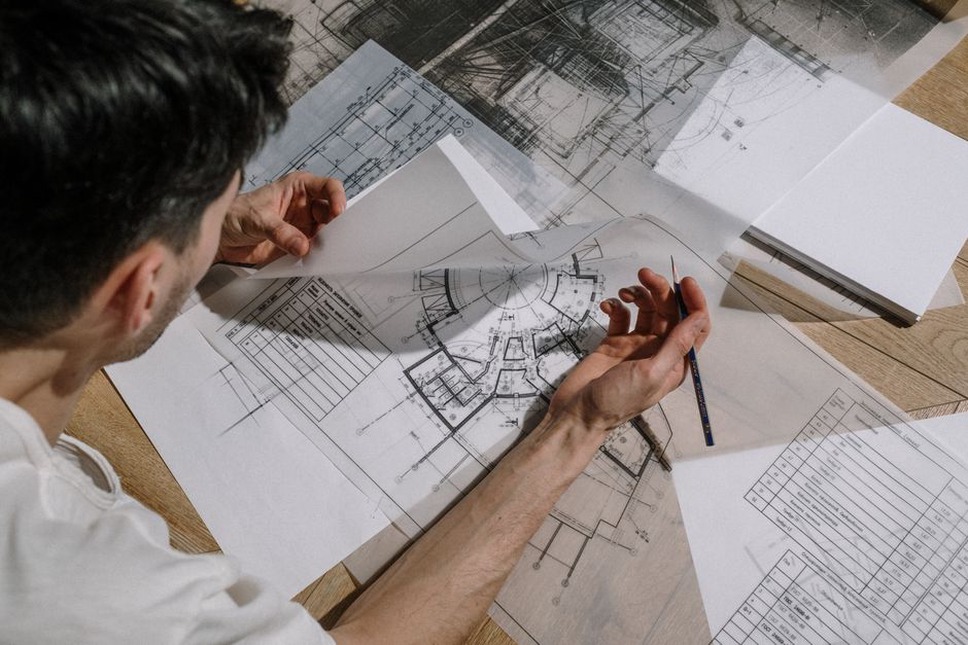
- Planning: Detailed planning is vital for setting project timelines, allocating resources, and developing risk management strategies. This phase often includes creating detailed blueprints and securing necessary permits.
- Execution: During this phase, the design comes to life. Effective communication and coordination among contractors, suppliers, and other stakeholders are crucial to keeping the project on track.
- Monitoring and Controlling: This stage involves tracking the project's progress and making necessary adjustments to address any deviations from the plan. It requires regular monitoring of timelines and budgets.
- Closure: Once the project is completed, it is formally closed, and a final review is conducted to evaluate its success and gather insights for future projects.
Essential Skills for Architectural Project Managers
In addition to technical architectural skills, project managers in architecture require a diverse skill set to handle the complexities of each phase:
- Communication: Clear communication is crucial for coordinating with clients, contractors, and team members, ensuring everyone is aligned with the project goals.
- Time Management: Architects must efficiently manage schedules and synchronize various tasks to meet deadlines.
- Problem Solving: Unforeseen challenges are inevitable. Project managers must quickly and effectively find solutions to keep projects on track.
- Financial Acumen: Understanding financial aspects, including budgeting and cost control, is essential for managing resources effectively.
- Technical Knowledge: A deep understanding of design principles, construction methods, and technology is crucial for making informed decisions.
Integrating Technology in Project Management
Today's project management increasingly relies on technology to streamline processes and improve outcomes. Building Information Modeling (BIM) and project management software have transformed how architects plan and execute projects. These tools offer enhanced visualization, better collaboration, and more precise cost estimations. The impact of technology on modern building design continues to grow, providing architects with innovative ways to improve efficiency.
Understanding Regulatory and Environmental Considerations
Architects must handle a complex array of regulations and environmental considerations. From zoning laws to sustainability guidelines, understanding these requirements is essential to avoid delays and ensure compliance. Engaging with local authorities and stakeholders early in the project can help streamline the approval process and prevent potential issues. Projects that integrate well with their urban or natural surroundings not only comply with regulations but also enhance their value and functionality.

Cost Management and Budget Control
Effective cost management is crucial in architectural projects to prevent budget overruns. This involves regular financial reviews and adjustments based on project progress. Implementing a strong cost control system helps in tracking expenses accurately and making informed decisions to maintain financial health. Techniques such as value engineering can be employed to optimize costs without sacrificing quality.
The Role of Adaptive Reuse and Sustainable Practices
Adaptive reuse and sustainability are gaining importance in modern architecture, offering significant benefits in terms of cost-efficiency and environmental impact. By transforming existing structures, architects can preserve cultural heritage while meeting contemporary needs. This approach is explored in depth in our article on adaptive reuse in architecture, highlighting its potential to blend the old with the new sustainably.
Conclusion: Building a Strategic Approach
Architectural project management requires a strategic approach, combining creativity with thorough planning and execution. By honing essential skills, using technology wisely, and understanding regulatory frameworks, architects can effectively manage the complexities of their projects. As the industry evolves, staying informed and flexible will remain key to achieving success in architectural endeavors.