
Understanding High-Performance Buildings
High-performance buildings go beyond the norm by focusing on energy efficiency, sustainability, and comfort for those inside. These structures use advanced technologies and eco-friendly practices to reduce environmental impact while enhancing operational efficiency. The aim is to create buildings that are not only efficient but also ready to adapt to future demands.
Energy Efficiency and Sustainability
At the heart of high-performance building design is energy efficiency. This involves using cutting-edge materials and systems to lower energy consumption. For example, energy-efficient HVAC systems can drastically reduce energy use while keeping indoor environments comfortable. Solar panels and other renewable energy sources can further boost a building's sustainability.
The materials chosen for construction significantly affect sustainability. It's important to consider the entire lifecycle of materials, from production to disposal. Using recycled or renewable materials can lessen a building's environmental impact. Designing with sustainability in mind helps conserve natural resources and minimize waste.
Technological Integration
Technology plays a vital role in enhancing the functionality of high-performance buildings. Intelligent management systems optimize energy use, manage lighting, and control HVAC systems efficiently. These systems provide real-time data, identifying areas where further efficiency improvements can be made.
- Smart Lighting: Automated lighting systems that adjust based on occupancy and daylight can significantly reduce electricity costs.
- Advanced HVAC Controls: Sensors and smart thermostats help optimize heating and cooling, providing comfort while cutting energy use.

Design for Occupant Comfort
Creating a comfortable environment is crucial in high-performance buildings. A well-designed structure should ensure a healthy and pleasant atmosphere for its occupants, including optimal temperature, air quality, and acoustics. Research indicates that comfort can directly affect productivity and well-being, making it an essential aspect of building design.
Natural light is another key factor. Large windows and skylights can reduce reliance on artificial lighting, improve mood and health, and lower energy consumption.
Integration with the Environment
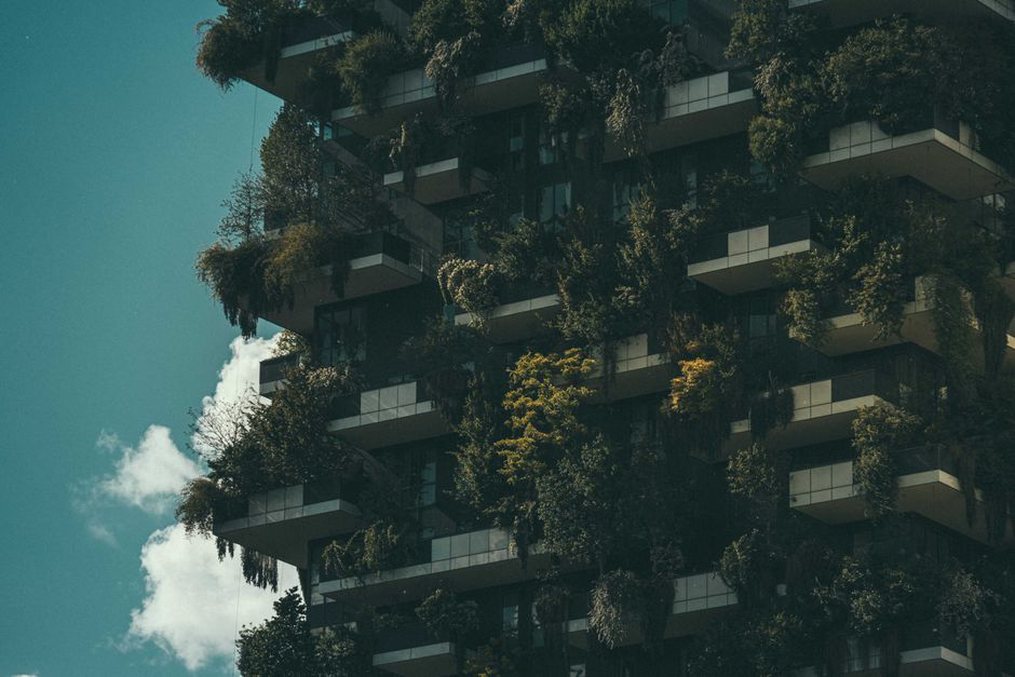
Successful high-performance buildings blend seamlessly with their surroundings, taking into account the local climate, landscape, and community needs. For instance, positioning a building to benefit from prevailing winds can improve natural ventilation, reducing the need for mechanical systems.
Urban planners and architects often face the challenge of balancing modern needs with historical preservation. This is especially important when working with historic structures. For more insights into these challenges, you can explore the art and challenges of renovating historic buildings.
Cost Considerations
While high-performance buildings may require a larger initial investment, they often lead to significant savings over time through reduced energy costs and maintenance expenses. Effective cost management is crucial, and architects must collaborate closely with clients to ensure designs are financially feasible. This involves conducting thorough feasibility studies and cost analyses early in the project.
Regulatory Compliance and Certifications
Adhering to local building codes and regulations is vital in designing high-performance buildings. Many areas have specific requirements for energy efficiency and sustainability that must be met. Certifications like LEED (Leadership in Energy and Environmental Design) provide benchmarks for evaluating a building’s performance.
These certifications not only offer a structured framework for sustainable building practices but also provide market recognition, potentially increasing a property's value.
Conclusion
Designing high-performance buildings requires a holistic approach, combining energy efficiency, technological innovation, occupant comfort, and environmental integration. By focusing on these aspects, architects can create structures that are not only sustainable but also capable of meeting future challenges, ensuring long-term value for both developers and occupants.