
As cities grow and change, architects and urban planners are increasingly weaving green spaces into their designs. These areas are not just visually appealing; they play a vital role in improving life for city residents by enhancing air quality and supporting local wildlife.
The Benefits of Green Spaces
Green areas in cities bring numerous advantages, both environmentally and socially. On the environmental side, they help reduce the urban heat island effect, where cities are warmer than nearby rural areas due to human activity and infrastructure. Trees and plants absorb sunlight and provide shade, which helps lower temperatures and reduce the need for air conditioning, leading to energy savings.
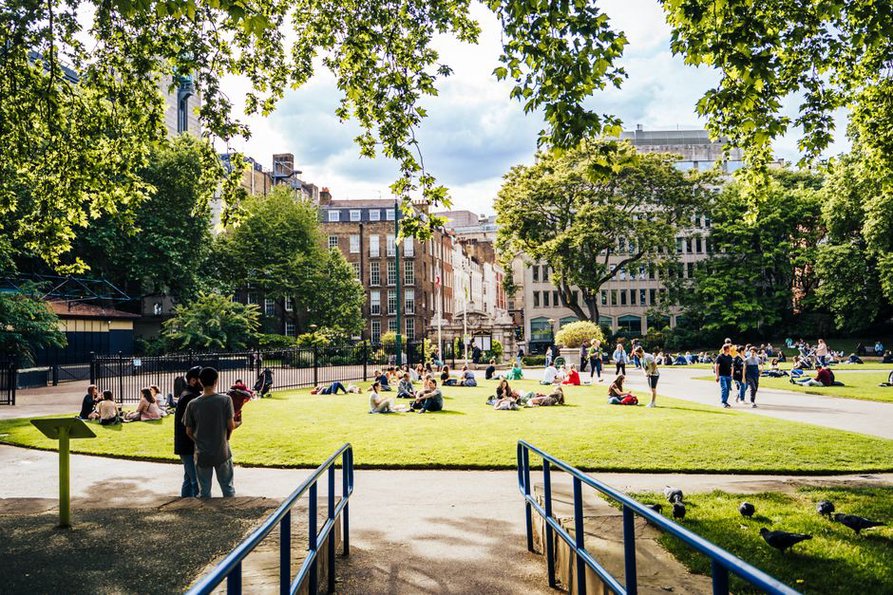
On the social front, green spaces offer a peaceful escape from the busy city life, providing spots for recreation, relaxation, and community events. Research shows that access to green areas can boost mental health, decrease stress, and encourage physical activity. These benefits make urban areas more appealing to both residents and businesses.
Strategies for Integrating Green Spaces
Successfully incorporating green spaces into urban areas requires thoughtful planning and creative design. Here are some strategies architects and planners can consider:
- Vertical Gardens: Also called green walls, these are ideal for cities with limited ground space. They can be installed on building exteriors, providing insulation and improving air quality.
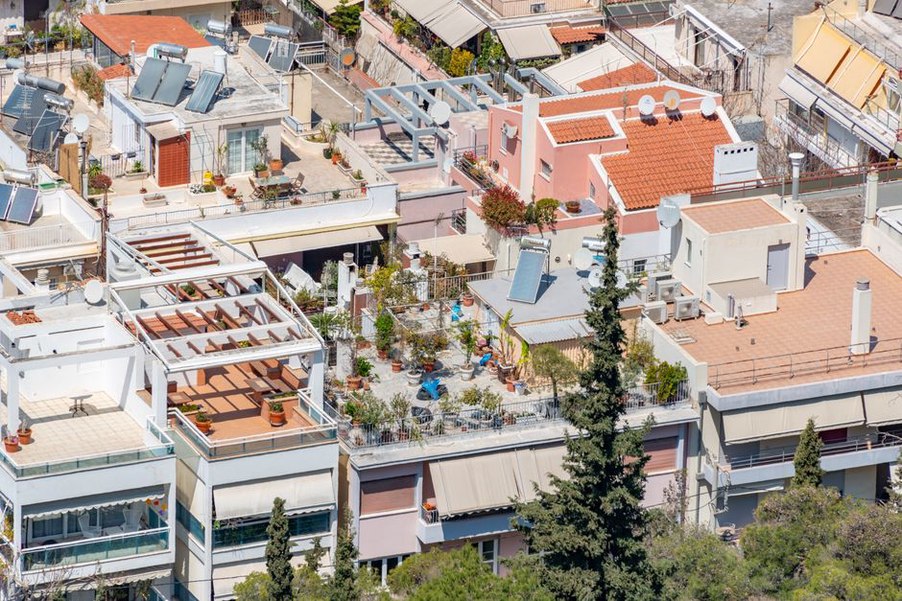
- Rooftop Gardens: Turning rooftops into gardens adds greenery, offers insulation, and helps manage stormwater. These spaces can be community gardens or private retreats for building occupants.
- Pocket Parks: Small parks or green areas placed strategically in urban settings can turn underused spaces into community assets.
- Green Corridors: Linking larger parks and natural areas with green pathways supports biodiversity and offers safe routes for walking and cycling.
Challenges in Implementing Green Spaces
Despite their benefits, adding green spaces to urban design comes with challenges. Limited land availability is a major issue, as cities are often densely populated and heavily developed. The initial costs of creating and maintaining green spaces can be high, but these are often balanced by long-term savings in healthcare and energy.
Another challenge is making sure all city residents, not just those in wealthier neighborhoods, have access to green spaces. Achieving equitable distribution requires careful planning and community involvement, as discussed in The Role of Public Engagement in Community Building Projects.
Case Studies of Successful Integration
Several cities worldwide exemplify successful green space integration. Singapore's "Garden City" concept features green roofs, vertical gardens, and extensive parks, contributing to its status as one of the world's most sustainable urban environments.
In New York City, the High Line park, built on an old elevated railway track, demonstrates how creative design can turn obsolete infrastructure into community spaces. The park offers greenery and serves as a cultural hub, supporting local arts and events.
Integrating Green Spaces with Smart Architecture
Green spaces can be further enhanced by smart architecture, which uses technology to optimize environmental and social outcomes. Smart architecture can help monitor and manage green spaces, keeping them healthy and accessible. For more on how technology intersects with urban design, explore Smart Architecture: A Catalyst for Urban Transformation.
Looking ahead, the future of urban design lies in creating spaces that are functional, efficient, sustainable, and enriching. By focusing on green spaces, architects and planners can help build healthier, more resilient cities.