
Understanding the Historical Context
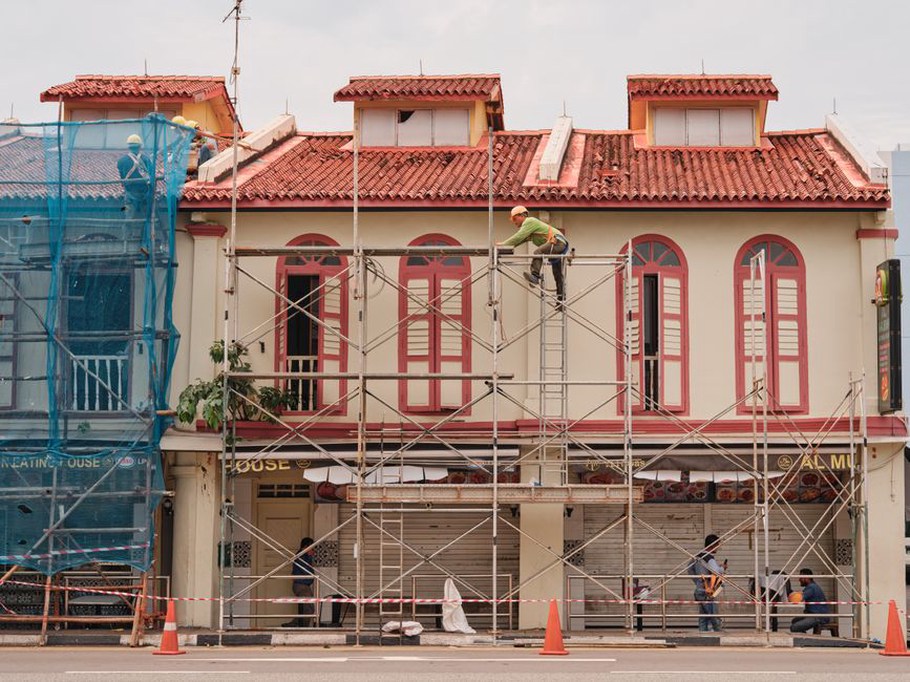
Renovating historic buildings is a task steeped in history. To preserve the essence of these structures, one must delve into their past. This involves studying the architectural style, construction methods, and materials that were originally used. Architects often turn to historical records and photographs, and sometimes even work alongside historians, to gather a comprehensive understanding of the building's origins.
Structural Integrity and Safety
Ensuring the safety of historic buildings while maintaining their structural integrity is a major challenge. Many of these buildings were constructed with materials and techniques that are now outdated, which can lead to complications. Reinforcing these structures requires creative solutions to meet modern safety standards without losing their historical authenticity.
Navigating Regulatory Requirements
Renovating historic structures often involves dealing with a maze of regulatory requirements. Many countries have strict laws and guidelines to protect historical landmarks. Architects must collaborate closely with preservation authorities to ensure that their renovation plans meet legal standards. This process can be time-consuming, involving extensive paperwork and approvals.
Balancing Aesthetics and Modern Functionality
Preserving the aesthetic value of historic buildings while incorporating modern functionality presents another challenge. These buildings were not designed to support contemporary amenities like advanced HVAC systems or modern electrical wiring. Creative strategies are needed to integrate these elements without detracting from the building's historical charm.
In urban public spaces, architects often face the intricate task of balancing aesthetics and functionality. This challenge is explored further in our article on Balancing Aesthetics and Functionality in Urban Public Spaces.
Materials and Techniques
Selecting appropriate materials and techniques for renovation is crucial. Many historic buildings were built with materials that are either no longer available or have deteriorated over time. Architects must find suitable replacements or develop techniques to replicate the original look. This might involve using new materials that match the old in appearance while offering greater durability.
Our article on Innovative Materials Shaping the Future of Architecture provides insights into how modern materials are influencing architectural practices, which is particularly relevant in renovations.
Community Engagement
Renovating historic buildings can have a significant impact on the local community, making public involvement essential. Communities often have deep emotional ties to historic landmarks, and involving them in the renovation process can lead to more successful outcomes. Public forums, surveys, and collaborative planning sessions can help architects address community concerns and incorporate them into the renovation design.

Cost Management
Managing costs is another hurdle in the renovation of historic buildings. The need for specialized materials, skilled labor, and regulatory compliance can drive up expenses. Architects must create detailed cost analyses and project plans to keep renovations within budget without compromising quality.
Effective cost management strategies are essential and can be explored more in our article on Maximizing Space in Commercial Buildings: Strategies for Efficiency, which offers insights into efficient cost control methods.
Final Thoughts
Renovating historic buildings is a complex endeavor that requires a delicate balance between preserving history and incorporating modern functionality. By understanding the historical context, adhering to regulatory frameworks, engaging with communities, and employing innovative materials and techniques, architects can successfully overcome the challenges these projects present. Each renovation breathes new life into structures with historical significance, ensuring they remain appreciated by future generations.