
Smart Architecture: A Catalyst for Urban Transformation
As cities grapple with increasing populations and environmental concerns, smart architecture emerges as a key player in reshaping urban areas. This innovative approach combines technology, sustainability, and thoughtful design to create spaces that enhance the lives of city residents.
Defining Smart Architecture
Smart architecture integrates cutting-edge technologies and sustainable practices into the fabric of building design and urban planning. The goal is to develop structures that are efficient, adaptable, and environmentally conscious, responding to the needs of both occupants and the surrounding ecosystem. Essential elements include energy-saving systems, intelligent building management, and the use of eco-friendly materials.
Key Features and Benefits
- Energy Efficiency: By focusing on energy conservation, smart architecture utilizes renewable energy sources, efficient HVAC systems, and advanced insulation techniques, which help reduce carbon emissions and lower operating costs.
- Adaptive Design: Buildings with flexible designs can easily accommodate changing needs, such as repurposing spaces or integrating new technologies.
- Enhanced Connectivity: The use of IoT devices and smart sensors enables real-time monitoring and management of building systems, boosting functionality and safety.
- Environmental Integration: Smart architecture harmonizes with nature by incorporating green roofs, vertical gardens, and sustainable landscaping to promote urban biodiversity.
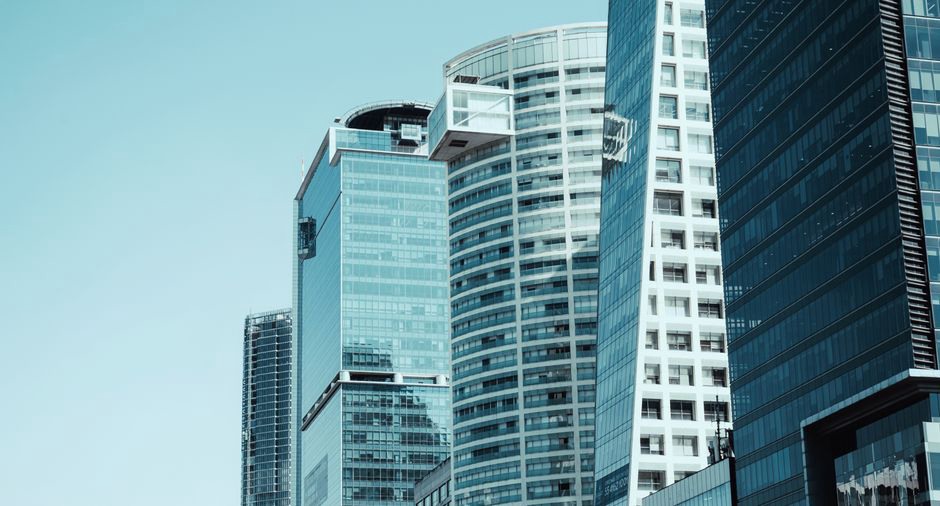
Case Studies: Successful Implementations
Several cities worldwide are leading the charge in smart architecture, transforming their urban areas into sustainable and efficient environments. Singapore, for example, has become a benchmark in urban sustainability through its extensive green building initiatives and smart technologies. The city-state's focus on biophilic design and intelligent urban planning provides valuable insights into future city development.
Challenges in Implementation
Despite its benefits, smart architecture faces obstacles. The high initial investment required for advanced technologies can discourage widespread adoption. Moreover, integrating new systems with existing infrastructure can be logistically challenging. Strategic project management and cost management are crucial for overcoming these hurdles. The article Mastering Project Management in Architecture offers insights into effective strategies for these projects.
The Role of Architects and Urban Planners
Architects and urban planners are essential in advancing smart architecture. Their expertise in designing adaptable and sustainable spaces is vital for addressing the complex demands of modern urban environments. By collaborating with stakeholders, including government entities and private developers, they ensure that smart architecture aligns with broader city goals and community needs.

Future Directions
With technological advancements, the potential of smart architecture continues to grow. Innovations such as AI-driven design, smart materials, and enhanced data analytics promise to further redefine urban landscapes. These developments are set to enhance resilience, as highlighted in Resilient Architecture: Building for the Future, providing cities with tools to withstand and adapt to future challenges.
Smart architecture is not just a trend; it's a necessary evolution to address urban challenges. By merging technology, sustainability, and human-focused design, cities can create environments that are functional and enriching for their inhabitants. As urban areas continue to change, smart architecture will be instrumental in shaping the cities of tomorrow.