
The Principles of Sustainable Design
Sustainable design aims to create buildings that respect the environment, are cost-effective, and socially beneficial. It seeks to minimize the environmental impact of construction and operation while improving the quality of life for those who use the buildings. This involves using resources wisely, reducing waste, and encouraging the use of renewable energy.
Materials and Resources
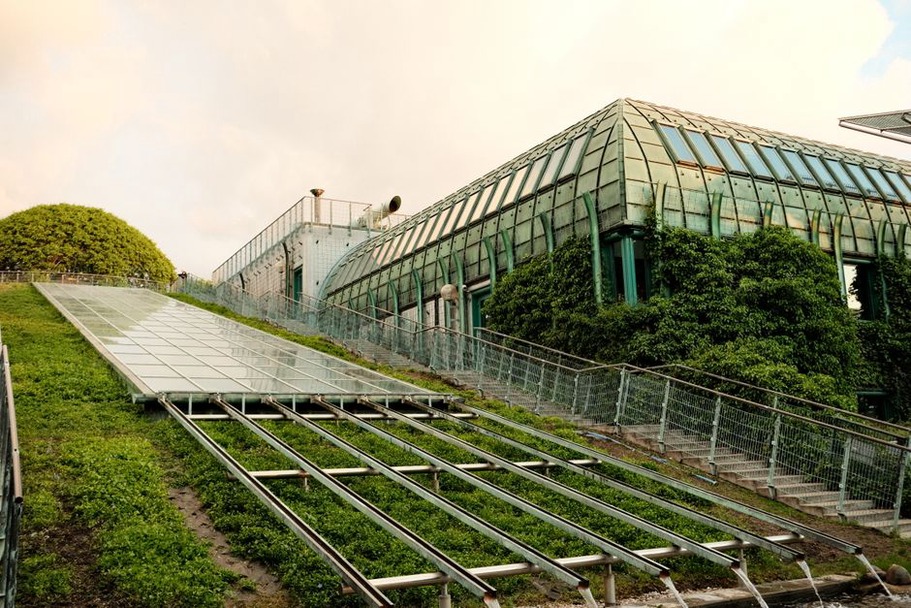
Choosing the right materials is essential for blending architecture with nature. This means opting for materials that are renewable, recyclable, and sourced locally. For example, bamboo grows quickly and can be replenished easily, while recycled steel helps cut down the carbon emissions associated with new production. Incorporating green roofs and walls can also improve insulation and enhance air quality.
- Renewable Resources: Use materials like bamboo and sustainably harvested wood.
- Recycled Materials: Opt for materials like recycled steel and concrete.
- Local Sourcing: Reduce transport emissions by choosing locally available materials.
Energy Efficiency and Renewable Energy
Energy efficiency is a key aspect of sustainable architecture. By designing buildings with energy-saving systems, we can lower utility costs and reduce environmental impact. Solar panels, wind turbines, and geothermal heating are effective ways to use renewable energy sources.
For example, our article on innovative energy-efficient roof designs explores how different roofing options can enhance a building's energy performance.
HVAC Systems
Heating, ventilation, and air conditioning systems significantly influence a building's energy use. By implementing energy-efficient HVAC solutions, buildings can remain comfortable while using less energy. Our guide on energy-efficient HVAC systems offers insights into optimizing these systems for sustainability.
Integrating Architecture with the Natural Environment
Designing buildings that fit naturally into their surroundings enhances both the structure and the environment. This involves analyzing the site carefully, respecting the natural landscape, and supporting biodiversity.
Site Analysis and Planning
Analyzing a site's natural features, such as its topography, climate, and vegetation, informs the design process. This ensures the building works in harmony with its environment. For instance, positioning a building to take advantage of natural light can reduce reliance on artificial lighting.
Maintaining Biodiversity
It's crucial to protect local plants and animals when developing new areas. Creating green spaces, like parks and gardens, within and around buildings supports local ecosystems. These areas provide habitats for wildlife and recreational spaces for people.
The Economic Benefits of Sustainable Design
Although sustainable design may require a higher initial investment, the long-term financial benefits are significant. Energy-efficient buildings lower operational costs by reducing utility bills. Additionally, such buildings often have higher market values and attract tenants who prioritize environmental responsibility.
Our article on financial planning in large-scale architectural projects discusses strategies to manage costs effectively, making sustainable design a viable financial option.
Challenges and Solutions
Sustainable design faces hurdles like higher upfront costs, regulatory challenges, and the need for specialized expertise. However, these can be addressed by advocating for supportive policies, investing in research, and educating stakeholders on sustainability's value.
Policy and Regulation
Supportive policies and regulations can promote sustainable practices. Incentives, such as tax breaks and grants for green buildings, encourage developers to invest in sustainability. Understanding these regulations can be complex, as explored in our article on urban architectural regulations.

Future Prospects
The future of sustainable architecture is bright, with technological and material advancements paving the way for new possibilities. Innovations like smart building systems, 3D-printed structures, and biophilic design are set to change the field, making it easier to integrate architecture with nature.
Collaboration among architects, engineers, and environmental scientists will be crucial in expanding the potential of sustainable design. By embracing these changes, the architecture industry can lead the way in creating a more sustainable and harmonious built environment.