
Understanding Cost Management in Large-Scale Architectural Projects
Managing costs in large-scale architectural projects is a pivotal task that can make or break the success of the endeavor. It requires careful planning, estimating, budgeting, and controlling expenses to keep the project within its financial limits. These projects often involve intricate coordination among numerous stakeholders, underscoring the importance of effective cost management.
Key Elements of Cost Management
Successful cost management involves several critical components:
- Cost Estimation: Predicting project costs before commencement is vital for setting a realistic budget and avoiding financial surprises.
- Cost Budgeting: After estimating costs, they must be allocated across different project phases. This allocation aids in expense tracking and ensures funds are available when necessary.
- Cost Control: Monitoring and regulating expenses throughout the project helps keep it within budget. This involves comparing actual costs with budgeted amounts and addressing any discrepancies.
Strategies for Effective Cost Management
Implementing sound cost management strategies is essential in large-scale architectural projects. Consider the following approaches:
Detailed Project Planning
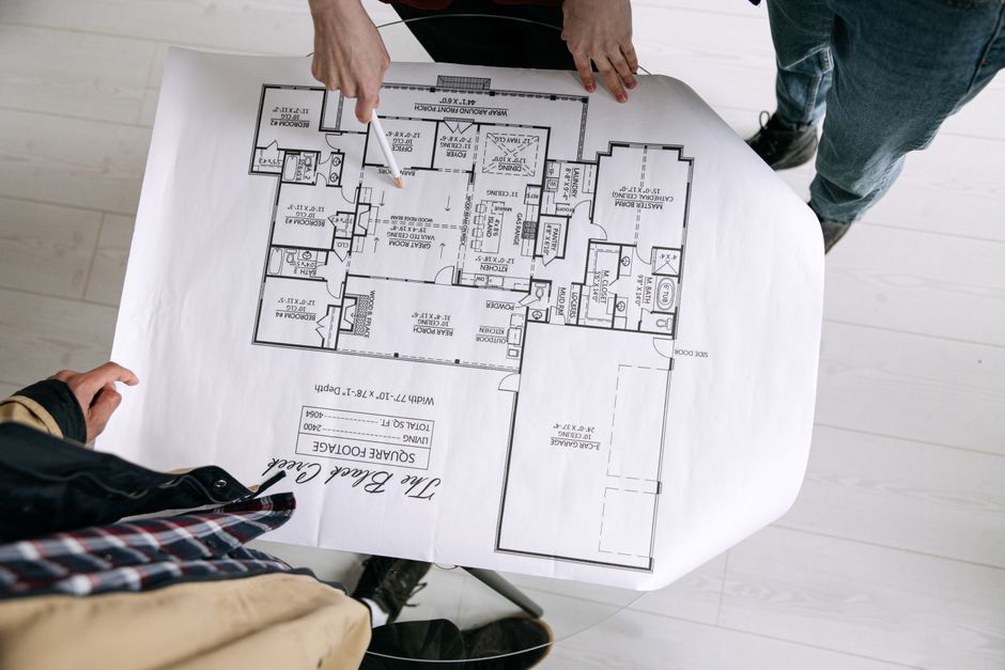
Thorough planning is crucial for effective cost management. A well-detailed project plan acts as a roadmap, highlighting potential risks and cost implications early. This includes defining the scope, developing a timeline, and identifying necessary materials and resources. Such planning helps minimize unexpected costs and delays.
Regular Financial Reviews
Conducting frequent financial reviews allows for early detection of budget deviations. This practice enables project managers to make informed decisions and implement corrective measures swiftly. Regular reviews also promote transparency with stakeholders, building trust and encouraging collaboration.
Using Technology
Technological advancements offer valuable tools for managing costs in architectural projects. Software for Building Information Modeling (BIM), project management, and cost tracking can improve efficiency and accuracy in financial management. These technologies provide real-time data analysis, supporting proactive decision-making.
For further insights into using technology for resilience in architecture, see Building Resilience: The Future of Disaster-Ready Architecture.
Challenges in Cost Management
Despite available strategies, cost management in large projects faces several challenges. Common issues include:
- Scope Changes: Alterations in project scope can lead to significant cost increases. Effective change management is crucial to mitigate this risk.
- Market Fluctuations: Variations in market conditions, such as rising material costs, can affect the budget. Staying informed about market trends and incorporating contingencies can help manage this risk.
- Stakeholder Coordination: Aligning the goals and expectations of various stakeholders can be difficult. Clear communication and thorough documentation are vital to prevent misunderstandings and ensure alignment.
To explore further strategies and challenges in construction cost management, refer to Mastering Cost Management in Construction: Strategies and Challenges.
Conclusion
Effective cost management in large-scale architectural projects demands a blend of detailed planning, regular financial reviews, and the strategic use of technology. While challenges are inevitable, adopting a thoughtful approach can reduce risks and help keep projects on budget. By mastering the nuances of cost management, project managers can adeptly handle the complexities of large-scale architectural endeavors.
Focusing on these strategies and actively managing costs can lead to better project outcomes, delivering substantial value to clients and stakeholders.