
Introduction to Energy-Efficient Roof Designs
With urban expansion and rising energy costs, the need for energy-efficient buildings has never been more pressing. A building's roof is a key player in this endeavor. By adopting modern roofing solutions, architects and developers can make significant strides in reducing energy consumption, which translates to lower utility bills and a reduced carbon footprint.
Green Roofs: A Sustainable Solution
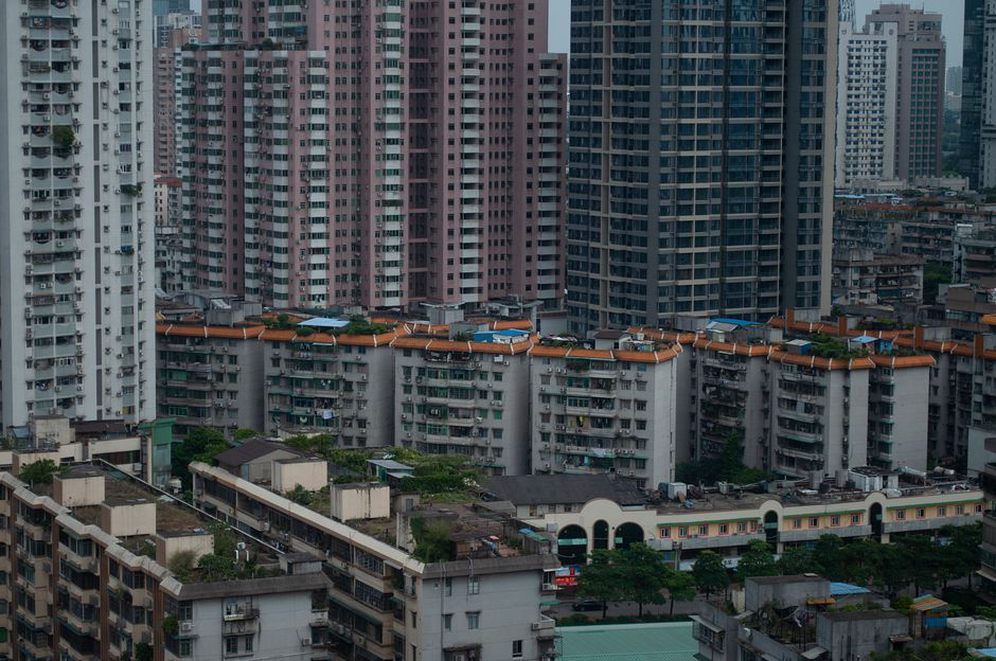
Green roofs, or living roofs, feature vegetation planted on rooftops. These installations offer natural insulation, mitigate urban heat, and enhance air quality. By soaking up rainwater and providing insulation, green roofs lessen the reliance on artificial heating and cooling systems.
In densely populated areas, green roofs create much-needed green spaces, enhancing the quality of life for residents. They are particularly beneficial in cities where space for parks is limited. This concept ties into ideas discussed in The Impact of Urban Planning on Modern Architectural Design.
Cool Roofs: Reflective and Efficient
Cool roofs are crafted to reflect more sunlight and absorb less heat than traditional roofs. This is achieved through the use of reflective materials, which can drastically lower roof temperatures. By reducing the heat transferred into a building, cool roofs decrease the need for air conditioning.
These roofs are especially advantageous in hot climates, where air conditioning can account for a large portion of energy costs. Reflective coatings, tiles, or specially designed shingles are common methods for implementing cool roofs.
Solar Roofs: Harnessing Renewable Energy
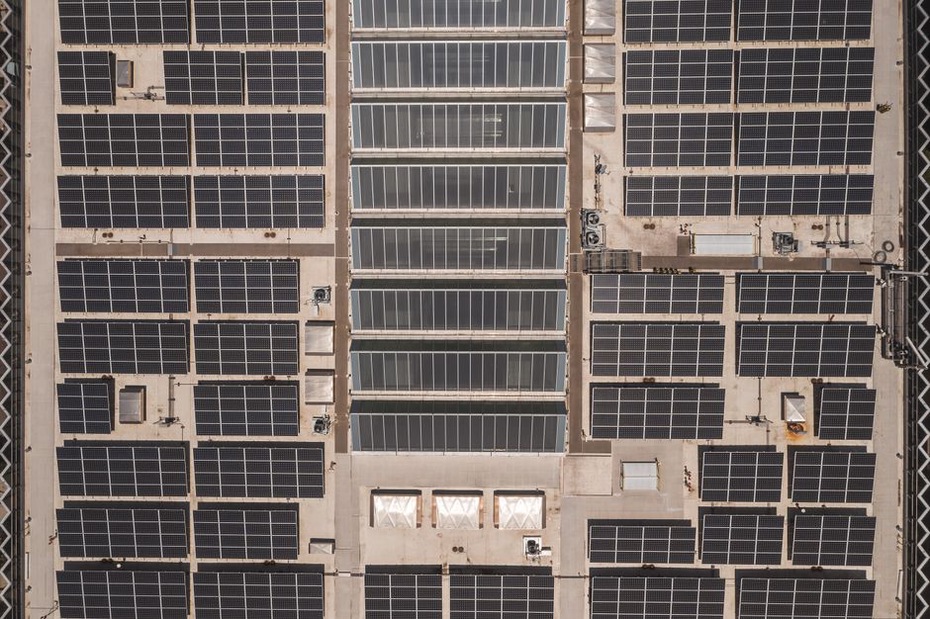
Solar roofs integrate photovoltaic panels into the roof's structure, enabling buildings to generate electricity from sunlight. This reduces dependency on grid electricity and significantly cuts greenhouse gas emissions.
The growing trend of incorporating solar technology in both residential and commercial buildings offers long-term financial gains through energy savings and potential revenue from selling surplus energy back to the grid. Solar roofs can be adapted to various architectural styles, offering both aesthetic and practical benefits.
Advanced Insulation Techniques
Insulation is vital for maintaining a building's energy efficiency. Advanced materials like spray foam, rigid foam boards, and reflective foils enhance a roof's thermal performance. These materials help keep indoor temperatures stable by minimizing heat transfer, thus boosting energy efficiency.
Innovative insulation is particularly useful in educational facilities, providing a comfortable learning environment with reduced energy expenses. For more on educational architecture, see Smart Technology in Schools: Enhancing Education and Efficiency.
Adaptive Reuse of Roofing Materials
Adaptive reuse involves repurposing existing materials for new construction projects, offering both economic and environmental benefits. Reusing tiles or shingles from demolished buildings can lower material costs and reduce construction waste.
This approach not only conserves resources but also adds unique character to new structures. The potential for adaptive reuse in architecture is further explored in Exploring the Potential of Adaptive Reuse in Architecture.
Conclusion: The Future of Roof Design
As building codes become stricter and the push for energy-efficient solutions grows, innovative roof designs are set to play a crucial role in the future of architecture. By incorporating green roofs, cool roofs, solar panels, advanced insulation, and adaptive reuse, these designs offer practical pathways to enhancing sustainability and energy efficiency in the built environment.