Understanding Resilience in Architecture
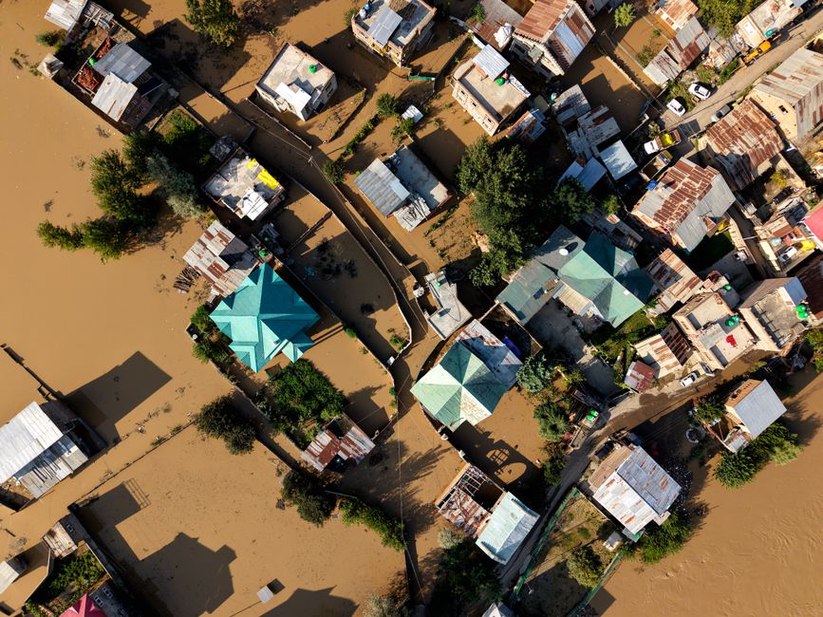
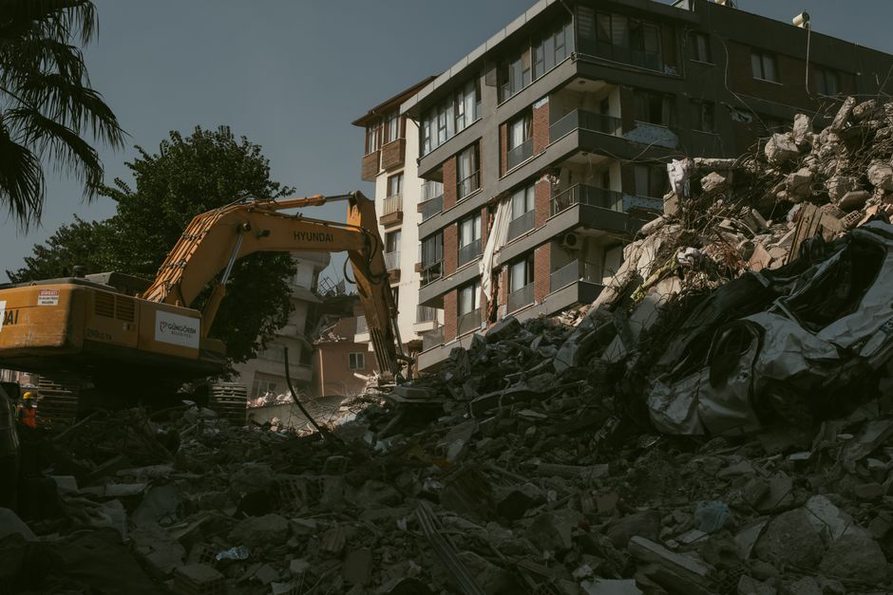
Resilience in architecture is all about building structures that can endure and bounce back from disasters. This is especially important in regions prone to natural events like earthquakes, floods, hurricanes, and wildfires. Creating resilient architecture means incorporating strategies that boost a building's durability and flexibility, allowing it to withstand harsh conditions while maintaining its functionality and safety.
Key Considerations for Resilient Design
Architects aiming to design resilient buildings need to weigh several factors, such as location, materials, structural design, and the needs of the community. Here are some crucial points to consider:
- Site Analysis: Knowing the geographical and environmental risks of a location is essential. This might involve checking soil stability in earthquake zones or assessing flood plains for potential water-related risks.
- Material Selection: The materials used can greatly influence a building's resilience. Reinforced concrete, for instance, offers better resistance to earthquakes, while water-resistant materials are vital in areas prone to flooding.
- Structural Design: Using structural systems that effectively distribute loads can prevent collapse during disasters. Techniques such as base isolation for earthquakes or designing aerodynamic shapes to resist wind are key.
- Community Integration: Buildings designed to meet community needs during emergencies, like serving as shelters or supply centers, can significantly enhance resilience.
Implementing Technology in Disaster-Resilient Architecture
Technology plays a pivotal role in boosting architectural resilience. Building Information Modeling (BIM) is one tool that enables architects to simulate disaster scenarios and refine designs accordingly. BIM helps in planning and execution by offering detailed insights into how buildings perform under various conditions. More on this technology's importance can be found in The Essential Role of BIM in Modern Construction.
Smart building systems also contribute by monitoring environmental changes, alerting occupants to impending disasters, and automating protective measures, such as closing windows during high winds or activating pumps in floods.
Case Studies: Successful Resilient Designs
Several projects around the globe showcase successful disaster-resilient designs. The Burj Khalifa in Dubai, for example, uses advanced wind-resistant technologies to handle severe desert storms. Similarly, the Bosco Verticale in Milan incorporates sustainable materials and design elements that reduce the impacts of urban heat and air pollution.
Challenges in Designing for Resilience
Despite the advantages, designing resilient architecture comes with challenges. A major hurdle is the cost of implementing advanced technologies and materials. Balancing budget constraints with the need for high-performance buildings can be tricky. Additionally, navigating regulatory requirements and ensuring compliance with local building codes can complicate the integration of innovative solutions.
Ensuring fire safety in disaster-prone areas is another challenge, requiring unique strategies and innovations as discussed in Enhancing Fire Safety in Building Design: Strategies and Innovations.
The Future of Resilient Architecture
As climate change increases the frequency and intensity of natural disasters, the need for resilient architecture will rise. Future advancements in materials science and technology are likely to offer new solutions for more durable and adaptable designs. Urban planning will also play a vital role in effectively integrating resilient architecture into cityscapes, as discussed in The Impact of Urban Planning on Modern Architectural Design.
By focusing on resilience, architects can help create safer, more sustainable communities that are better prepared for future challenges.