
Art and architecture have long been intertwined, with art enhancing the emotional and functional aspects of architectural spaces. This combination creates environments that not only fulfill their intended purposes but also connect with people on a deeper level, adding significant value to the built environment.
The Role of Art in Architecture
Art plays a multifaceted role in architecture. It can express cultural identity, provide historical context, or narrate an emotional story. By weaving art into their designs, architects can craft spaces that resonate with users, making their experiences more engaging and memorable.
Historical Context and Cultural Identity
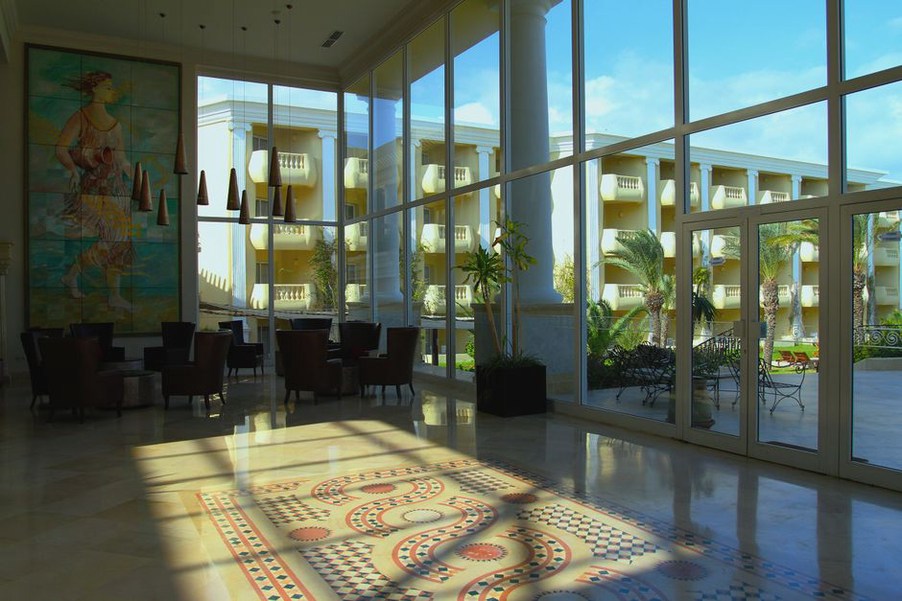
Throughout history, art has been a fundamental component of architecture. From the frescoes of the Renaissance to the intricate tile work found in Islamic architecture, art has helped define the cultural and historical identity of buildings. Today, this tradition continues as modern designs incorporate artistic elements that reflect their cultural surroundings and pay tribute to historical influences.
Enhancing User Experience
Incorporating art into architectural spaces can greatly enhance the user experience. For example, murals or sculptures in commercial buildings can create a welcoming atmosphere, making the environment feel less sterile and more inviting, which can positively impact the mood and productivity of those who use the space.
Practical Applications of Art in Architecture
There are numerous ways to integrate art into architectural design to achieve a harmonious blend.
- Murals and Wall Art: These can turn plain walls into engaging canvases that tell a story or convey a message, enhancing the visual appeal of a space.
- Sculptures: Strategically placed sculptures can serve as visual anchors, guiding visitors through a space, creating focal points, and contributing to the building's identity.
- Lighting Installations: Artistic lighting can accentuate architectural features, set moods, and add sophistication to the design.
Challenges and Considerations
While integrating art into architectural design offers many benefits, it also presents challenges. Budget constraints, maintenance issues, and the need for collaboration between artists and architects are important factors to consider.
Budget Constraints
Art can be costly, and incorporating it into a building's design requires careful budget planning. Balancing the cost of artistic elements with the overall project budget is crucial to ensure that financial considerations do not overshadow the artistic vision.
Collaboration Between Artists and Architects
Effective collaboration between artists and architects is essential for successful art integration. This partnership ensures that artistic elements complement the architectural design and enhance the space's functionality. For more on fostering such collaboration, explore our article on Fostering Effective Collaboration in Architectural Projects.

Case Studies
Examining successful case studies of art integration in architecture can offer valuable insights and inspiration. For instance, incorporating local art in public buildings can boost community engagement and foster a sense of pride and ownership among residents.
Public Spaces and Art
In public spaces, art can serve as a medium for social commentary or community expression. By working with local artists, architects can create designs that resonate with the community, encouraging interaction and cultural exchange.
Incorporating art into architectural design goes beyond decoration. It's about creating spaces that are culturally rich, emotionally engaging, and functionally superior, ultimately enhancing both the built environment and society as a whole.