
In urban environments, public spaces are vital for fostering social interaction, offering relaxation spots, and building community ties. Architects and planners face the challenge of creating areas that are both visually attractive and practically useful. This requires a nuanced understanding of how beauty and function can coexist.
The Importance of Aesthetic Appeal
The look of public spaces matters because it makes them inviting and enjoyable. Attractive areas draw more visitors, encourage community use, and facilitate social interaction. Features like landscaping, art installations, and unique architectural elements add to a space's charm and character. However, it's important that these aesthetic elements do not compromise the practical needs and safety of those who use the space.
Functional Considerations
Equally crucial is the functionality of public spaces. A well-thought-out area should support various activities and be accessible to everyone, regardless of age or ability. Key functional considerations include:
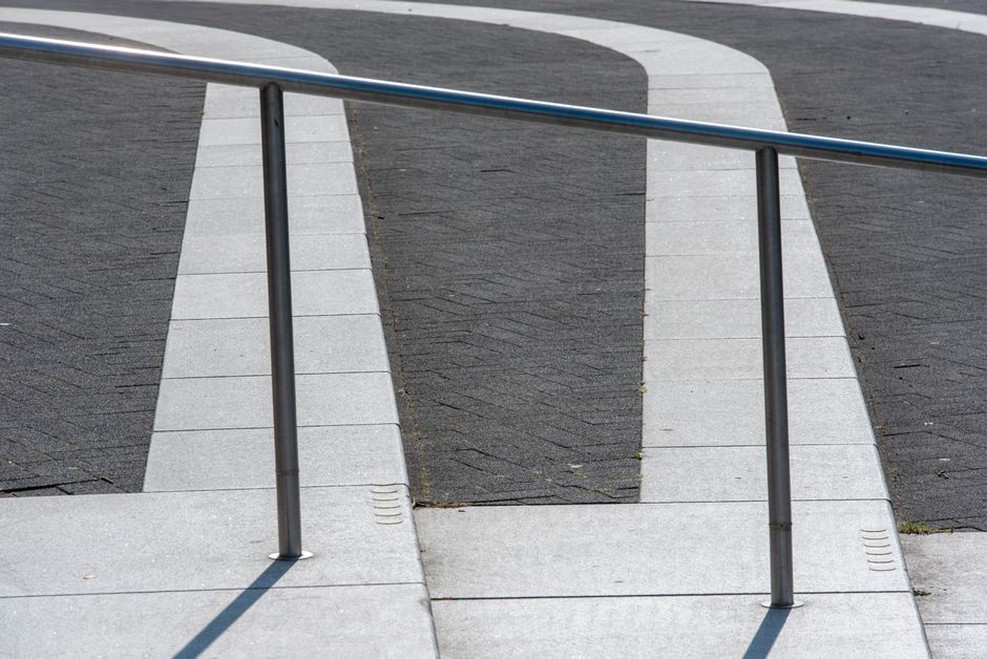
- Accessibility: Spaces must be easy to navigate for people with disabilities, incorporating features like ramps, clear signage, and tactile pathways.
- Safety: Adequate lighting, good visibility, and emergency access are essential for ensuring public safety.
- Versatility: Areas should be flexible enough to host different events, from small gatherings to large public functions.
Strategies for Harmonizing Aesthetics and Functionality
Architects can employ several strategies to blend aesthetics with functionality effectively:
Integrating Natural Elements
Incorporating natural features like trees, water elements, and green spaces can enhance both the beauty and utility of public areas. These elements provide shade, improve air quality, and offer relaxing spots, creating a harmonious blend of urban and natural environments.
Community Engagement
Engaging the community in the design process can yield valuable insights into what future users need and want. This collaborative approach often results in spaces that are both functional and appreciated by the community, as seen in projects discussed in Navigating Urban Architectural Regulations for Successful Projects.
Innovative Design Techniques
Using innovative design methods, such as modular construction and adaptive reuse, can enhance both the appeal and functionality of public spaces. These techniques allow architects to create environments that can adapt to changing needs over time.
Case Studies and Examples
Looking at successful public spaces offers valuable lessons in balancing aesthetics and function. For example, New York City's High Line transformed an old railway line into a lively park, demonstrating how creative design can revitalize urban areas while preserving historical elements. Similarly, London's Trafalgar Square has been updated to improve pedestrian access and provide a more welcoming setting for public gatherings.
These examples underscore the importance of thoughtful design that takes into account both the aesthetic and practical aspects of public spaces, ensuring they meet community needs while enhancing the urban environment.