Understanding Adaptive Reuse
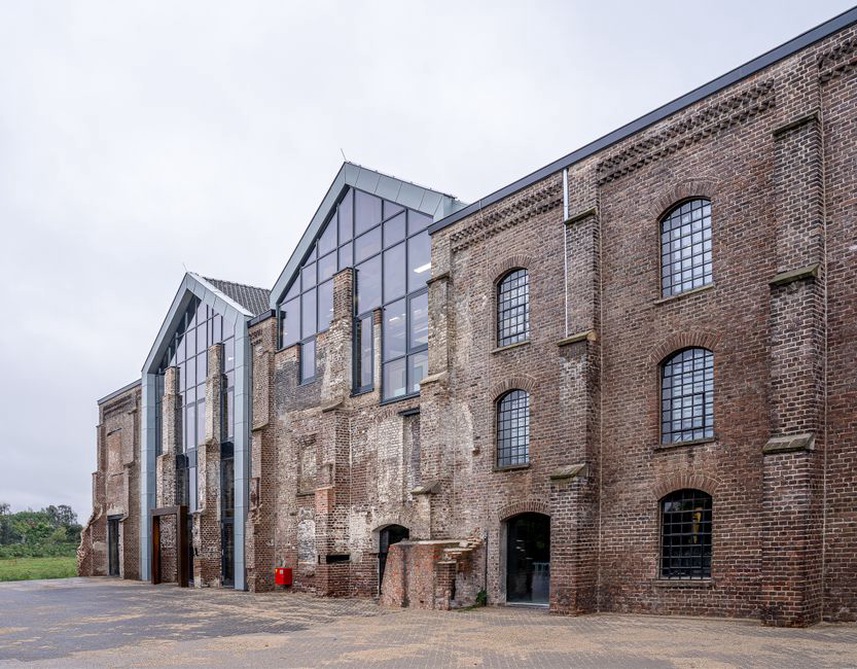
Adaptive reuse is a creative approach in architecture that involves giving new life to old buildings while preserving their historical charm. This method not only maintains cultural heritage but also supports sustainable practices by reducing the need for new construction materials. As cities grow, the interest in innovative architectural solutions increases, making adaptive reuse a compelling choice for developers and architects.
Benefits of Adaptive Reuse
Adaptive reuse offers a range of benefits that touch on economic, environmental, and social aspects of urban development.
- Economic Benefits: Renovating existing structures can be more budget-friendly than building anew. By utilizing existing infrastructure, developers can cut down on construction expenses and shorten project durations. Additionally, properties with unique historical features often attract tenants or buyers, potentially boosting property values.
- Environmental Benefits: This approach significantly lessens the environmental footprint associated with demolition and new builds. Retaining the existing structure means less waste and fewer raw materials are needed. This aligns with sustainable practices, as discussed in our article on sustainable materials in public building projects.
- Social Benefits: Keeping historical buildings intact enhances community identity and continuity. These structures often become landmarks, fostering a sense of place and belonging within the community.
Challenges in Adaptive Reuse
Despite its advantages, adaptive reuse is not without challenges. One significant obstacle is dealing with the complex regulatory environment. Historical buildings often come with strict zoning laws and building codes that must be followed. Our article on zoning laws in commercial real estate provides insight into managing these legal complexities.
Another issue is the potential for unexpected structural problems. Many older buildings have hidden issues, such as outdated electrical systems or structural weaknesses, which can lead to increased costs and project delays. Conducting thorough inspections and feasibility studies is essential before starting such projects.
Successful Examples of Adaptive Reuse
Several well-known projects demonstrate the potential of adaptive reuse. The Tate Modern in London, once a power station, has been transformed into a globally recognized art gallery. Similarly, New York City's High Line, a former elevated railway, has become a public park that draws millions of visitors each year.
Steps to Implement Adaptive Reuse
Implementing an adaptive reuse project involves several key steps:
- Feasibility Study: Evaluate the building's condition, potential uses, and financial viability. This step helps identify potential challenges and opportunities.
- Design and Planning: Create a design that respects the building's historical elements while accommodating new functions. This stage often involves close collaboration with preservationists and local authorities.
- Permitting and Approvals: Obtain the necessary permits and approvals. Familiarize yourself with the permit process as detailed in our guide to mastering the permit process in construction projects.
- Construction and Renovation: Carry out the renovation plan, addressing any structural or environmental issues discovered during the feasibility study.
- Integration and Operation: Once construction is complete, focus on integrating the building into its new function, ensuring it operates efficiently and sustainably.
Future Trends in Adaptive Reuse
As urban areas continue to develop, adaptive reuse is likely to become even more popular. Advances in materials and construction techniques are simplifying the process of retrofitting old buildings for modern uses. There is also an increasing focus on integrating smart technology, particularly in educational facilities, as explored in our article on smart technology in schools.
The growing emphasis on sustainability and cultural preservation will encourage more cities to incorporate adaptive reuse strategies into their urban planning efforts. This approach offers a practical solution for cities seeking to balance growth with sustainability and heritage preservation. As architects continue to innovate, the conversion of old structures into new, lively spaces will play a crucial role in shaping the urban environments of the future.