
Feasibility studies are an essential part of the architectural process, bridging the gap between initial design ideas and the actual construction phase. These studies evaluate a project's viability by examining financial, technical, regulatory, and environmental factors. This analysis helps stakeholders understand possible risks and opportunities, leading to informed decisions.
Defining Feasibility Studies
In architecture, a feasibility study determines if a project can be realistically completed given certain constraints. It looks at critical elements like site conditions, zoning laws, budget limits, and timelines. By evaluating these aspects, architects and developers can see if the project meets the client's goals and complies with regulations.
Components of a Feasibility Study
- Site Analysis: This involves examining the geographical, environmental, and infrastructural features of the proposed site. Understanding these factors is vital for addressing challenges related to topography, access, and utilities.
- Regulatory Review: This part ensures the project adheres to local zoning laws, building codes, and other regulations, helping to avoid legal issues and delays.
- Financial Assessment: A detailed cost analysis evaluates the project's financial feasibility, including construction costs, operational expenses, and potential revenue.
- Technical Evaluation: This assesses the technical feasibility of the project, focusing on design specifications, construction methods, and materials to ensure the design is structurally sound.
- Environmental Impact: Evaluating a project's environmental effects is crucial for sustainable development, examining potential impacts on the local ecosystem and exploring mitigation strategies.
Benefits of Conducting Feasibility Studies
Feasibility studies offer several advantages for architectural projects. They help identify potential obstacles early in the design process, reducing risks and preventing costly changes and delays during construction. These studies also improve project planning by providing a detailed roadmap that aligns with budgetary and regulatory constraints, leading to better resource allocation and timeline management.
Improving Stakeholder Confidence
Feasibility studies significantly boost stakeholders' confidence. By showing a deep understanding of the project's challenges and opportunities, architects and developers can build trust with clients, investors, and regulatory bodies. This trust is crucial for securing financing, obtaining permits, and gaining community support.
Case Studies: Successful Implementation
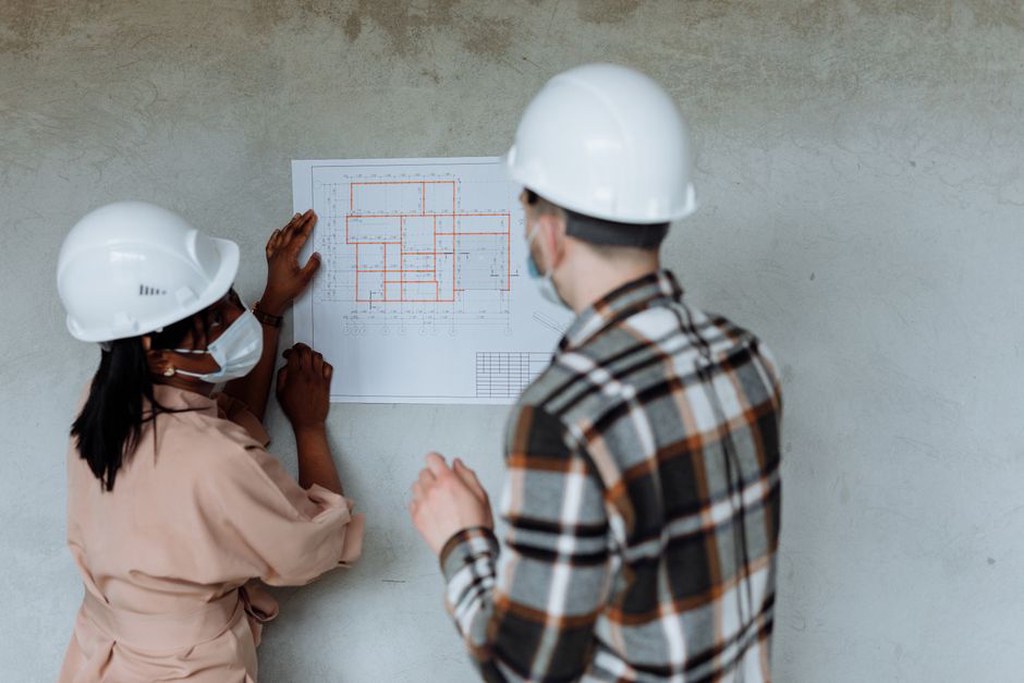
Several high-profile projects highlight the value of feasibility studies. For example, redeveloping urban areas often involves navigating complex regulatory environments and integrating new structures with existing infrastructure. In these cases, feasibility studies have been crucial in addressing these challenges early on, ensuring project success.
Projects in disaster-prone areas also benefit greatly from feasibility studies. By incorporating risk assessments and resilience strategies, these studies aid in designing buildings that withstand natural disasters. This approach aligns with the principles discussed in our article on Building Resilience: The Future of Disaster-Ready Architecture.
The Future of Feasibility Studies in Architecture
As architectural projects grow more complex, and the demand for sustainable and resilient structures increases, the role of feasibility studies will expand. Emerging technologies like Building Information Modeling (BIM) and advanced data analytics are set to enhance these studies' accuracy and scope. By integrating these tools, architects can conduct more detailed assessments, leading to innovative and successful projects.
Feasibility studies also play a crucial role in integrating sustainability into architectural design. By evaluating a project's environmental implications from the start, architects can incorporate sustainable practices that align with the principles of The Principles and Future of Sustainable Design in Architecture.

In conclusion, feasibility studies are invaluable in the architectural process, offering a structured approach to evaluating project viability. By considering financial, technical, regulatory, and environmental factors, these studies help architects and developers make decisions that align with client goals and community needs.