
Tracing the Roots of Recreational Architecture
Recreational architecture has deep historical roots, stretching back to ancient times when communal spaces played a crucial role in social and cultural life. Take the Roman baths as an example; these were more than just places to wash—they were bustling centers where people gathered to engage in discussions about politics, philosophy, and everyday matters. This blend of functions set the stage for today's recreational facilities, which continue to serve both physical and social purposes.
Modern Developments in Recreational Design
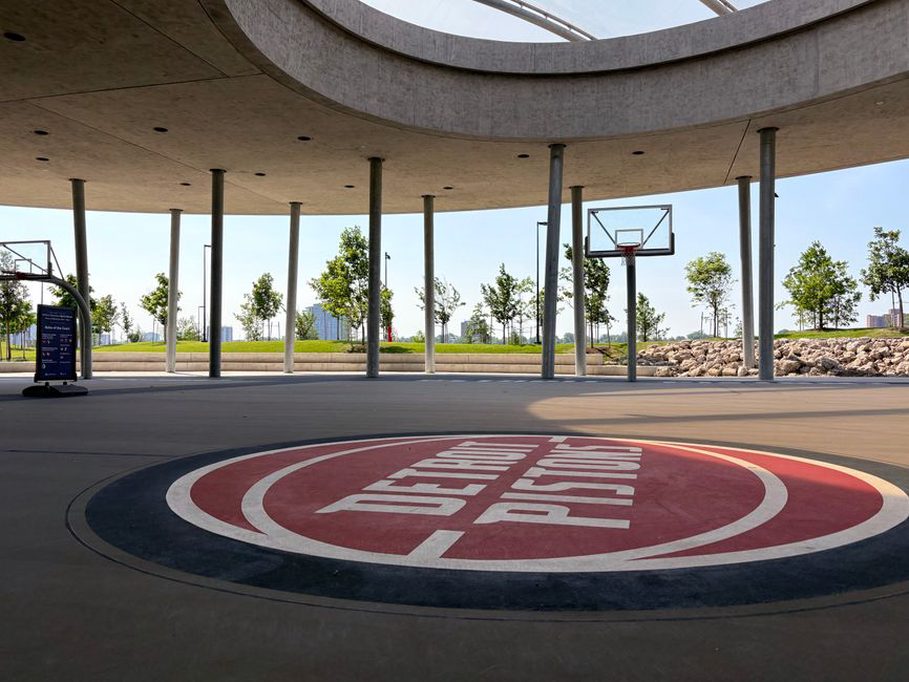
Today's recreational architecture is diverse, including sports complexes, community centers, parks, and entertainment venues. The modern design approach emphasizes sustainability, integrating technology, and adapting to the changing needs of communities. Architects are increasingly choosing eco-friendly materials and energy-efficient designs to reduce environmental impact while enhancing user comfort.
Technology Integration
In contemporary recreational architecture, technology is a key player. Smart building systems improve the user experience by offering real-time insights into facility usage, maintenance requirements, and energy consumption. Interactive features like digital displays and advanced sound systems enrich the functionality of these spaces, making them more engaging for visitors.
Sustainability and Environmental Considerations
Sustainability is at the forefront of modern recreational architecture. Common practices include using renewable materials, installing water-saving fixtures, and employing energy-efficient lighting systems. Many designs also incorporate green spaces, enhancing aesthetics while promoting mental well-being and fostering a connection with nature. The intersection of architecture and environmental psychology provides insights into how these elements can positively influence human behavior.
Adapting to Changing Demographics
As urban populations grow, recreational architecture must evolve to serve diverse communities. This involves creating spaces accessible to people of all ages and abilities. The trend towards multi-generational design ensures that facilities accommodate children, adults, and the elderly, enhancing usability and promoting inclusivity and social interaction.
Case Study: Multi-Use Recreational Centers
Multi-use recreational centers are a testament to the adaptability needed in modern design. These facilities often house sports, leisure, and community services under one roof, offering versatile spaces for various activities. For instance, a single complex might feature a gymnasium, swimming pool, library, and meeting rooms, all designed to integrate and support the diverse needs of the community.
The Future of Recreational Architecture
Looking to the future, recreational architecture is set to incorporate more digital technologies and further emphasize sustainability. Architects are exploring virtual reality to enhance user experiences, creating immersive environments that redefine traditional recreational activities. The focus on resilient materials and adaptable spaces is expected to grow, ensuring these facilities can withstand environmental changes and meet evolving community needs.
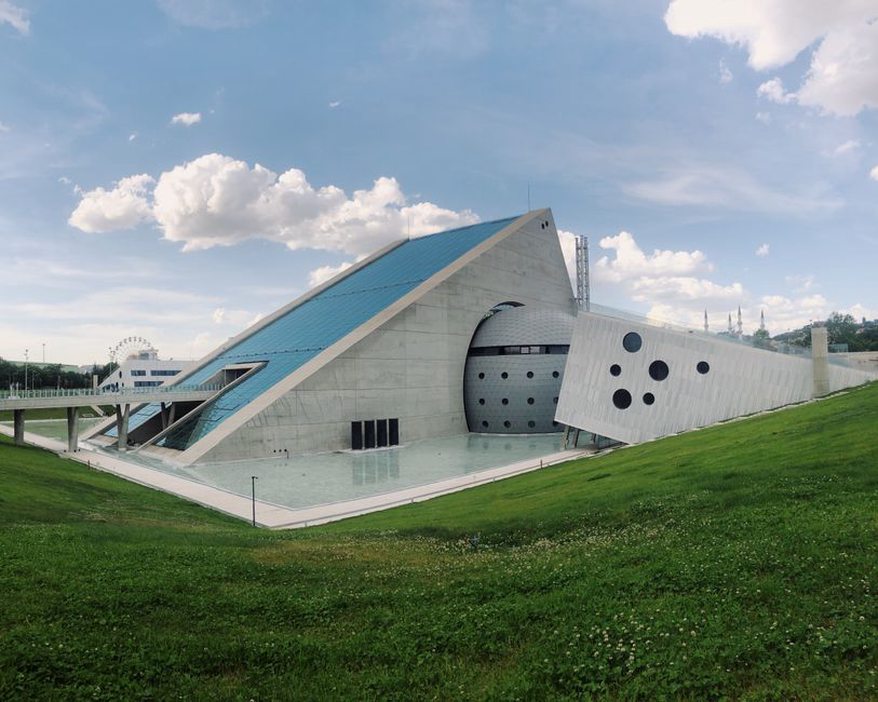
The evolution of recreational architecture mirrors broader societal trends, from ancient communal spaces to today's technologically advanced and sustainable facilities. As architects push the boundaries of innovation, the future holds exciting possibilities for spaces that not only meet users' physical needs but also contribute to their social and environmental well-being.