
Leftovers pushed behind a deep refrigerator shelf are easy to forget. Give opened ingredients and cooked food a visible place, and you have a better chance of using them before they spoil. Shopping and cooking habits matter, but kitchen storage can make those habits easier to keep.
You do not need a bigger kitchen or a full renovation to make a difference. Clear containers, reachable shelves, accessible drawers and a small spot for food that needs using soon can help. If you are planning a new kitchen, think through cabinet depth, refrigerator placement and pantry access before those decisions become costly to change.
Give food that needs using first a visible place
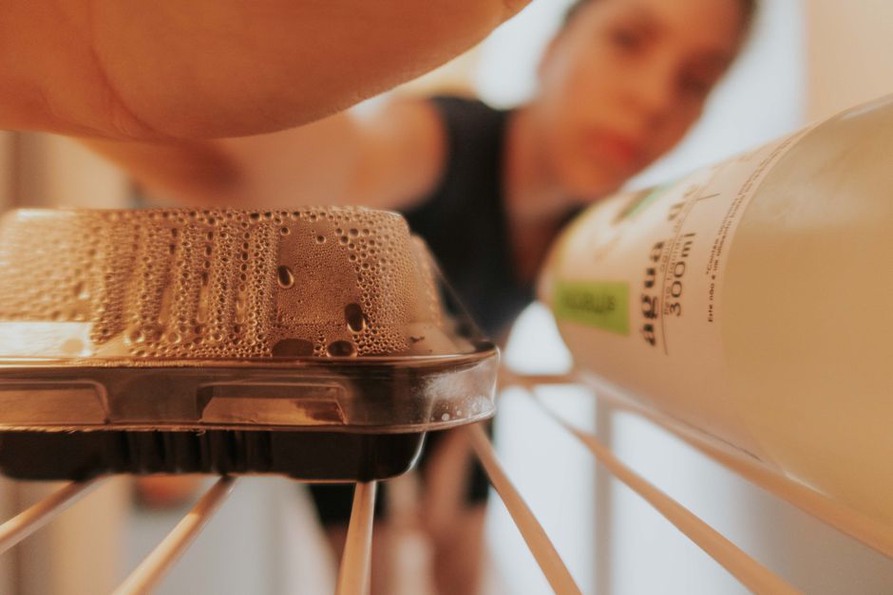
Reserve one refrigerator shelf or shallow container for opened packages, leftovers and produce that should be used soon. Keep it near eye level, not at the back or bottom. It is a reminder to check what you have before cooking, not a substitute for deciding whether food is safe to eat.
Give opened dry goods and ingredients planned for the next few meals a similar spot in the pantry. Keep it small enough to scan at a glance; once it becomes another general-storage shelf, it stops being useful. A “use soon” label can explain the arrangement to everyone in the household.
Leftovers are easier to track in covered, food-safe containers. Note what is inside and when it was cooked. Clear sides help, but labels still matter when two sauces or cooked dishes look alike. Use refrigerated leftovers within the period recommended by applicable food-safety guidance, or freeze them promptly if you will not eat them in time.
Make pantry storage easy to inspect
A deep shelf can hold plenty while hiding everything behind the front row. Before buying organizers, check whether you can see and reach the whole shelf without moving several items. Shallow shelves, pull-out drawers or bins grouped by ingredient type may help. Choose according to the space, access needs and budget; there is no reason to install a pull-out where a standard shelf works.
Match storage positions to how food is used
- Keep everyday ingredients within comfortable reach. Give rice, pasta, cooking oils and breakfast foods predictable places so they are easier to track.
- Put newer purchases behind older ones. Use the older item first only if it is still safe and suitable. Check dates and condition rather than trusting shelf position.
- Gather small packages. A shallow bin keeps sachets and half-used bags from disappearing behind larger containers.
- Leave space to see the contents. Tightly packed shelves are difficult to inventory, even if everything fits.
Move dry goods into reusable containers when the original packaging causes a problem, such as tearing or pests. Keep the product name, preparation instructions and relevant dates with the food. A row of unmarked jars can make similar flours or grains harder to identify.
Use the refrigerator’s conditions, not just its space
Cold air needs to circulate inside a refrigerator. Do not pack shelves so tightly that air cannot move, and follow the appliance instructions for placement and temperature settings. A refrigerator thermometer can show whether the interior is holding the intended temperature. Door compartments and some other areas may be warmer than the main shelves.
Keep raw meat, poultry and seafood in sealed containers on a low shelf, where juices cannot drip onto ready-to-eat food. A washable tray can contain leaks. Keep cooked food and produce clear of raw-food spills, and clean affected surfaces promptly.
Produce needs more than one storage approach. Some fruits, including apples and bananas, release ethylene, a natural gas that speeds ripening in certain nearby produce. Leafy greens often benefit from cool, humid storage, though excess moisture on their surfaces can hasten deterioration. Check the needs of foods you buy regularly instead of assuming one crisper setting suits them all. Keep produce where you can inspect it without leaving foods that need refrigeration at room temperature.
Make the freezer usable as overflow space
The freezer helps with food you will not eat soon, provided you can identify what is in it. Freeze suitable foods in portions you can thaw and use at once. Label each container with its contents and freezing date, and keep older portions easy to reach. Food kept continuously frozen at the appropriate temperature generally remains safe, although quality can decline. Freezing cannot make food safe again after improper storage.
Before choosing a larger freezer or adding cabinetry around one, consider how much frozen food the household actually uses. Extra capacity can help if you regularly freeze meals or seasonal produce. Otherwise, it may just give unlabelled food another place to disappear.
Keep food preparation close to storage
Think about what happens when groceries arrive. A clear counter near the refrigerator or pantry gives you room to sort purchases, put cold food away promptly and spot ingredients already in stock. If that surface is covered with appliances or mail, unpacking becomes awkward and partly used ingredients are easier to overlook.
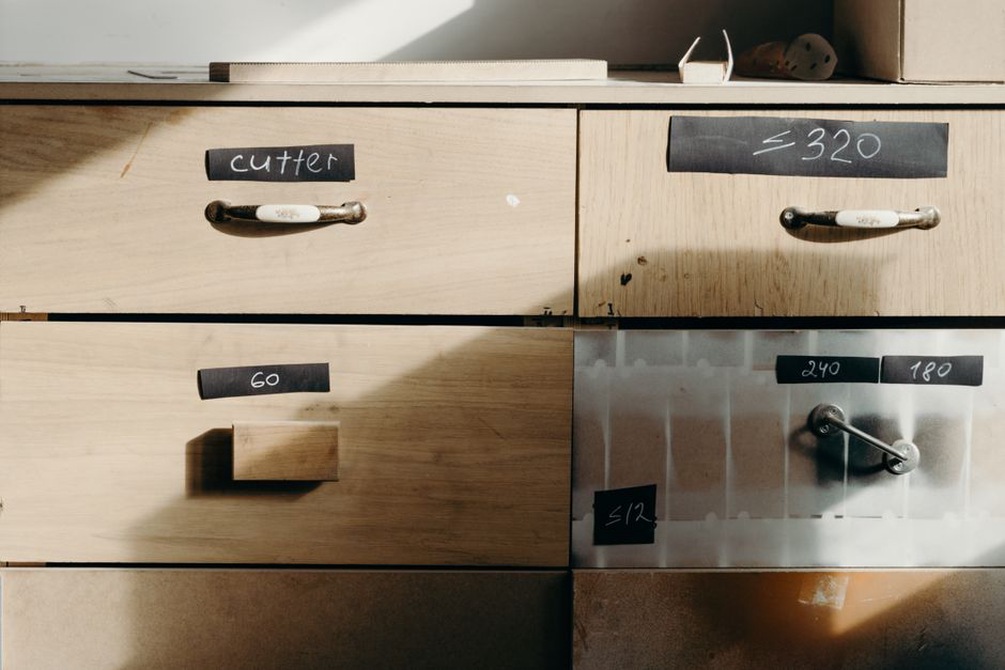
Keep cutting boards, suitable knives and food-storage containers easy to get to. They need not live on the counter, but you should not have to empty a cabinet to wash greens, portion a cooked dish or pack leftovers.
If you are renovating, test the proposed layout against a normal grocery trip. Trace the route from the kitchen entrance to the refrigerator, pantry and counter. Can appliance doors and cabinet drawers open without blocking it? Is there somewhere to set bags while you put refrigerated food away? Those checks tell you more about day-to-day use than storage capacity on a drawing alone.
Buy and prepare amounts the household can use
Better storage will not fix a habit of buying more perishable food than the household eats. Check the refrigerator, freezer and pantry before shopping. A short list of what you already have can prevent duplicate purchases, especially of ingredients used only occasionally. Plan a few meals around those foods, with room to adjust if schedules change.
Look beyond the unit price when choosing package sizes. A large pack is poor value if some of it goes in the bin. Consider whether you can use it within the recommended storage period or divide and freeze it safely after purchase. Buying smaller amounts of produce more often may make sense if your schedule and access to shops allow it.
Prepare perishables for a specific use rather than washing and chopping everything automatically. Some foods keep better whole and dry until needed. Refrigerate cut vegetables promptly in suitable containers. Do not leave cooked food on the counter for an extended period while deciding what to save; divide large quantities into shallow containers so they can cool and be refrigerated according to food-safety guidance.
Read food dates without treating every label alike
Date wording varies by product and location. A quality date may indicate when food is expected to taste its best; a safety-related use-by date needs a different response. Follow the label and local food-safety advice for the product. Appearance and smell cannot override a safety-related date or known unsafe storage conditions, because harmful bacteria do not always cause noticeable changes.
Follow storage instructions after opening, too. An unopened product may be shelf-stable but require refrigeration once opened. If you discard its packaging, keep those instructions with the replacement container. In a shared kitchen, the person reaching for an ingredient may not know how it was bought or stored.
Design waste collection for what cannot be eaten
Some scraps are unavoidable. Put a food-waste bin somewhere easy to use, and keep scraps separate from recyclable packaging. If your area collects food waste, check what it accepts and which liners or collection methods it requires. Home composting is possible where space and conditions permit, but it needs suitable material, airflow and maintenance to prevent pests and odors.
Convenience should not come at the expense of hygiene. Place bins where they will not block movement through the kitchen or sit directly against exposed food-preparation areas. Choose a container you can empty before waste builds up, with surfaces that are easy to clean. In a compact kitchen, a small accessible bin emptied regularly may work better than a large one behind an awkward cabinet door.
Use a short check to find the real weak point
If food keeps going to waste, jot down what you discard and why for a week or two. You do not need to weigh it. Notes such as “half a bag of salad, hidden behind other produce” or “extra cooked rice, not frozen” can show whether the problem is visibility, overbuying or portion size. Change one routine that addresses the recurring cause.
If lettuce repeatedly gets lost in a crowded crisper, move it somewhere visible that still meets its storage needs, then buy less on the next trip. If cooked portions are the problem, put empty, labelled freezer containers within reach before you start cooking. Make the adjustment that removes the obstacle you actually encounter, rather than adding storage for its own sake.