
A clear walking route is more useful than a matching set of storage boxes. In a small room, a bag beside the door can make daily movement awkward, while a rarely used item tucked into a cupboard may cause no trouble. Look first for belongings that block movement, access, light, or routine tasks. Then decide what needs storage.
Before you sort: define what the space must do
Walk through the room at a normal time of day. Where do you step around things, move one item to reach another, or clear a surface before you can use it? A studio might need the same area for meals and work; a compact bedroom might also hold laundry. Write down those uses so you do not clear away something essential or leave a task without a workable place.
Check the fixed constraints before shifting furniture or buying organizers. Doors, drawers, and windows need space to open. Ventilation grilles, electrical panels, heating equipment, and exits must stay accessible. Do not stack heavy objects overhead or put everyday items where you would need to climb to reach them. These limits matter more than the amount of storage that appears to fit on a floor plan.
- Choose a test area: one drawer, shelf, or patch of floor, rather than the whole home.
- Set a temporary sorting spot: use a table or clear floor area that does not block a doorway.
- Prepare destinations: have bags or boxes ready for recycling, donation, repair, and items that belong elsewhere.
- Plan for disposal: check local rules for batteries, electronics, paint, medicines, and anything else that does not belong in household trash.
A quick photograph can help you spot where belongings collect. But an empty-looking room is not the goal. What matters is whether you can use the space without repeatedly clearing and rearranging it.
The room-by-room decluttering checklist
1. Clear access before opening cupboards
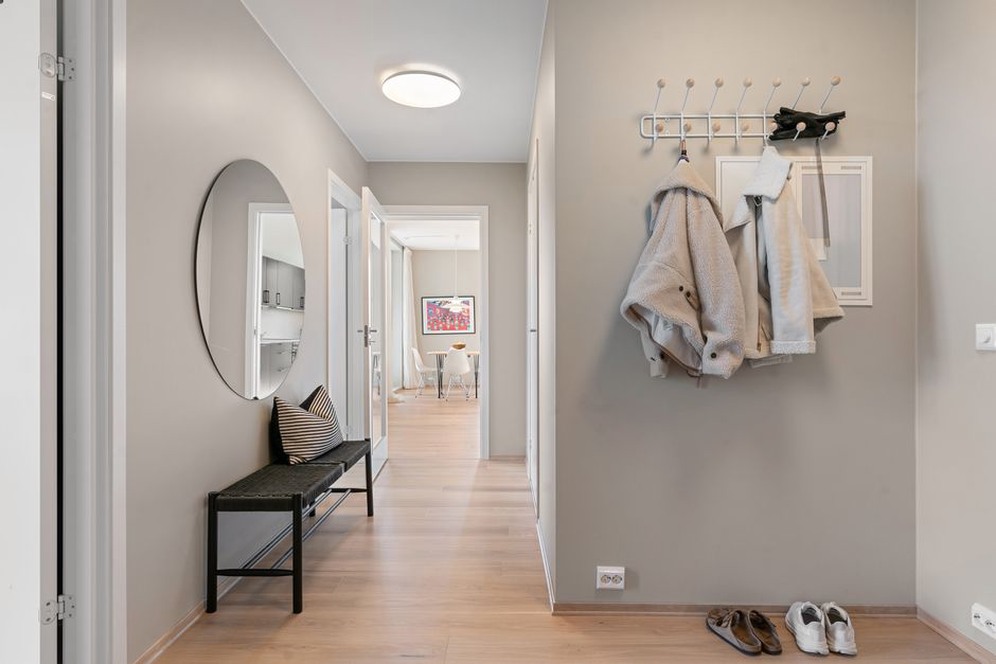
Start with the main walking route and anything blocking doors, windows, or storage you use often. Put each item in a temporary sorting category instead of pushing it into the nearest cabinet. In a narrow entry, that may mean gathering loose shoes in one place and pulling bags out of what has become permanent floor storage.
Watch shared circulation areas, especially in apartment buildings. Hallways, landings, and stairs are not overflow storage, and building rules may restrict what you leave there even temporarily.
2. Sort by use and ownership
Work through a small group of similar objects at a time: all the coats in the entry, say, or one desk drawer. You can spot duplicates without making an unmanageable pile. For each item, ask whether it is in use, needed for a defined future purpose, belongs to someone else, or can leave.
Shared belongings need a separate decision. Do not donate a housemate’s coat because they have not worn it recently. Set a date to discuss uncertain items rather than leaving a pile in the room indefinitely. Give sentimental objects a bounded place for later review so they do not slow every practical sorting session.
3. Remove what is leaving
Bag obvious rubbish and recycling first. Separate usable donations from things that need repair or specialist disposal. A broken appliance is not a donation unless the recipient has agreed to take it in that condition. Check what a local organization accepts before bringing in furniture, textiles, or electrical items; requirements vary.
Move outgoing items toward their next action, not into a newly labeled corner that becomes long-term storage. Arrange a drop-off or collection and keep reusable bags ready for the trip. If you plan to sell something, decide how long it can take up space while listed and what you will do if it does not sell.
4. Return what remains according to frequency
Put daily-use items where you can reach them without shifting other belongings. Higher or deeper storage can hold less-used items, provided their weight and access requirements make that safe. Group things by activity rather than shape: what you need when leaving home belongs near the exit, even if the objects are different sizes.
Try taking an item out and putting it back. Can you do both in one straightforward movement? If you must remove three boxes to reach a fourth, the arrangement is unlikely to stay orderly. Leave enough spare capacity for drawers to close easily and incoming essentials to find a place.
Match the next pass to the type of space
The first pass clears obstructions. The next deals with each room’s belongings and storage habits. Start where clutter interferes most with a task, which may not be where it looks most noticeable.
- Entry: Keep current-season outerwear and regularly worn shoes accessible. Give keys and mail a specific place. Move occasional luggage out of the walking route, and check that hooks or racks do not obstruct the door when loaded.
- Living and sleeping area: Separate what you need at bedtime from work, exercise, or guest items. Can you use the furniture without first moving loose objects? If under-bed storage makes sense, measure the available height and check that you can reach it before filling it.
- Bathroom: Remove empty containers and products you no longer use. Check dates and disposal instructions for medicines; moisture-sensitive supplies may be better kept outside a humid room. Keep daily-use items within reach without crowding the sink.
- Workspace: Clear the space needed for your current task, then sort physical supplies. Keep essential papers secure and accessible without turning every surface into a filing area. Do not run cables across walking routes or pinch them behind furniture.
- Utility or general storage: Look for things kept only because a shelf was available. Check for leaks, dampness, or damage before putting belongings back. Neat storage will not protect them from a moisture problem.
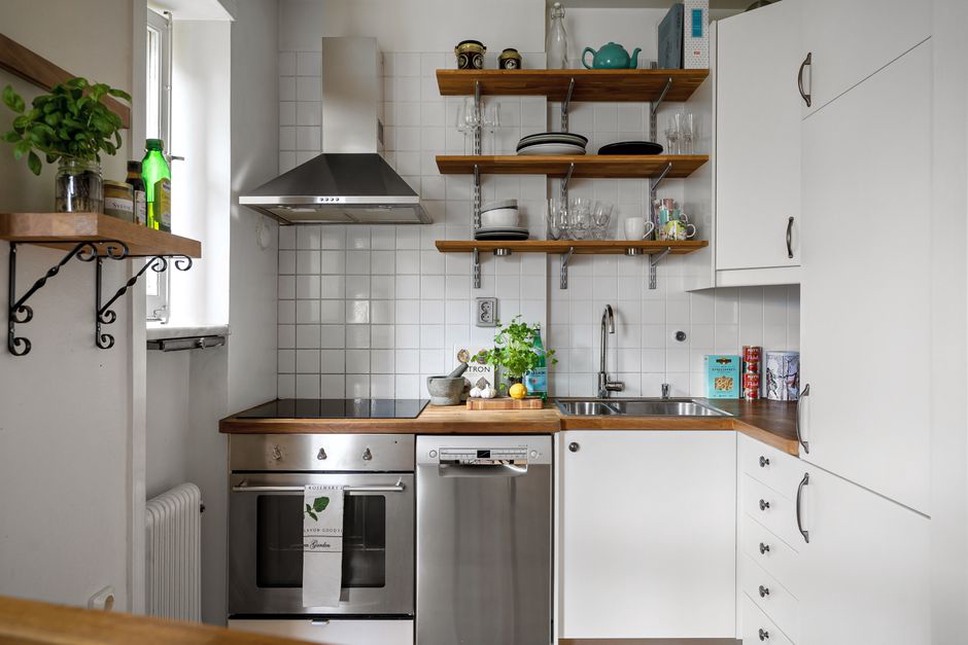
Kitchen counters and cupboards often need a separate plan because food safety, preparation space, and appliance use overlap. Leave the kitchen for its own session rather than emptying it during a whole-home sort.
Decide whether storage will solve the actual problem
Storage helps when it reduces handling and preserves usable space. Before buying a shelf, basket, or drawer divider, measure both the object and the available space. Include door swings and the clearance needed to take things out. A deep container might fit on a shelf but leave its contents hard to reach. Several small containers can waste space, too.
Use vertical space carefully. A wall-mounted shelf can free up floor area, but its fixings must suit the wall and the intended load; tenancy or building rules may limit alterations. Do not move heavy belongings up high just to clear the room. Tall freestanding units may need anchoring, particularly where children live or tipping is a risk. Follow product instructions and seek suitable installation advice if you are unsure.
Closed storage can make a compact room feel calmer, but it can hide accumulation. Label opaque containers by what they actually hold, such as “winter gloves,” rather than “miscellaneous.” A container should have a defined purpose, not give you another place to postpone decisions. If an organizer costs too much, takes up too much room, or adds too many steps for the problem it solves, try using the storage you already have differently.
Handle difficult decisions without stalling
Duplicates and occasional-use items
Keeping two versions of something can make sense if different people use them or they serve distinct purposes. Be clear about that distinction. If several items do the same job, keep those in good condition that fit the available space. Before letting occasional-use equipment go, think about how hard or costly it would be to borrow, rent, or replace. A spare extension cord and a specialized tool may warrant different answers.
Things awaiting repair or a future project
Give a repair item a next action: identify the part, get a quote, or book a service. A box of undated projects just takes up space. Keep materials for a planned task together, but check that the task has a realistic place in your schedule before giving it permanent storage.
Paperwork and items with personal data
Before discarding records, check any applicable retention needs, warranties, and ongoing property matters. Keep sensitive papers separate from ordinary recycling and dispose of them securely. The aim is to remove unnecessary physical volume, not rush decisions about important documents.
Keep the cleared space usable
Maintenance is easier when storage matches how the room is used. Put a receptacle for outgoing mail or returns near where those items arrive, and empty it on a set day. Return tools and supplies when a task is done. If something repeatedly lands in an inconvenient spot, its assigned storage may be too far away, too full, or awkward to open.
Revisit crowded areas before adding storage. A full hook rail may mean out-of-season coats need to move, not that you need another rail. In a shared home, agree on which surfaces must stay clear for access and which can hold personal belongings. Specific boundaries are easier to follow than “keep things tidy.”
Finish with an access check: open every door and drawer in the cleared area, then carry something you normally move through the room, such as a laundry basket. If it catches on a new shoe rack, reposition the rack before putting the remaining shoes away.