
A shoe can feel fine for ten minutes in a store and still rub after a day on uneven streets. Before buying footwear for a trip, think about the ground you will cover, the time you will spend on your feet, and whether you will carry a bag. Museum visits and paved streets place different demands on shoes than coastal paths, gravel trails, or frequent rain.
Start with the walking you will actually do
Look beyond the destination name. A city trip might mean slick station floors, cobblestones, steep stairs, and long queues. At a resort, you may cross sand and wet boardwalks but walk only short distances between buildings. Use the most demanding day on your itinerary as your guide, not just the average day.
- Mostly paved routes: Look for a comfortable fit, moderate cushioning, some flexibility at the forefoot, and an outsole that grips smooth surfaces.
- Gravel or maintained trails: Choose a more protective sole and tread suited to loose ground. A trail shoe may work better for mixed town-and-path days than a heavy boot.
- Rocky or muddy terrain: Consider stronger underfoot protection, deeper tread, and a secure heel. Match the footwear to the trail and the load you will carry.
- Wet conditions: Decide whether keeping rain out or drying quickly matters more. Waterproof linings can help in sustained rain, but they may feel warmer and can take longer to dry if water enters from above.
One pair can cover several conditions, with compromises. Deep trail lugs may feel awkward on hard floors, while smooth casual soles may slip on wet stone. If your plans involve sharply different terrain, a second, lighter pair may be more useful than expecting one shoe to do everything.

Fit matters more than the category on the box
Sizes vary between models, and feet often swell in heat or after hours of walking. If you can, try shoes on later in the day with the socks you intend to pack. Check both feet; one is often slightly larger. Bring your removable insoles or orthotics if you normally wear them.
Check length, width, and heel hold
Stand with your weight on the foot and check for space ahead of your longest toe, so it will not hit the front on downhill steps. A thumb's width is a starting point, not a rule for every foot. Your toes should have room to spread, while the midfoot feels held without being squeezed. Notice any seam or stiff edge pressing on a bunion or another sensitive spot.
Your heel should stay reasonably secure when you walk. A little movement may be manageable; repeated lifting or rubbing is a warning sign. Try an incline if the store has one, or walk down stairs. Toes striking the front can indicate a fit or lacing problem. Do not count on a tight shoe stretching enough to become comfortable.
Check the fit with the laces adjusted, not just with the shoe slipped on. A different lacing pattern may ease pressure across the top of the foot or reduce heel movement, but it cannot fix a narrow toe box. If a size has enough width but too much length, try another model or width instead.
Compare soles by what they do underfoot
Cushioning can make pavement feel less harsh, but the softest shoe is not necessarily the best choice. A tall, soft sole may feel unsteady on uneven ground; a sole that barely bends can make a long paved walk tiring. Pay attention to how the shoe feels when you turn, step off a curb, and walk at your usual pace. The right balance depends on your feet, gait, and route.
Check where the shoe bends. For most walking, some flex near the ball of the foot is useful. If you can twist it effortlessly from end to end, it may lack structure for rougher ground. A firmer sole or protective plate can make sharp stones less noticeable on rocky paths; on smooth city routes, that construction may add weight without much benefit.
Grip depends on the rubber as well as the tread pattern, so looks alone tell you little about traction. Shallow, closely spaced tread is often enough on dry pavement; more open tread can shed dirt or mud more readily. Polished stone, wet tiles, and painted crossings can still be slippery in shoes sold for outdoor use. Before taking an older pair on a rainy trip, check the outsole for worn, smooth patches.
Choose an upper for the climate
Mesh often feels cooler and dries faster after a brief soaking, but it offers little protection from heavy rain or grit. Leather and denser synthetics can shield the foot better, though ventilation varies. A waterproof membrane can be useful in repeated rain or wet grass if you accept the warmer feel and wear socks that manage moisture. In hot weather, or where shoes may get thoroughly soaked, a breathable pair that dries quickly may be more practical.
Walk around and check whether the upper creases painfully over your toes. A padded collar may feel comfortable but can hold moisture. If a shoe feels hot during a short indoor trial, think about how it will feel after hours outside. Whatever the material, let your shoes air out overnight.
Put socks and closures through the same test
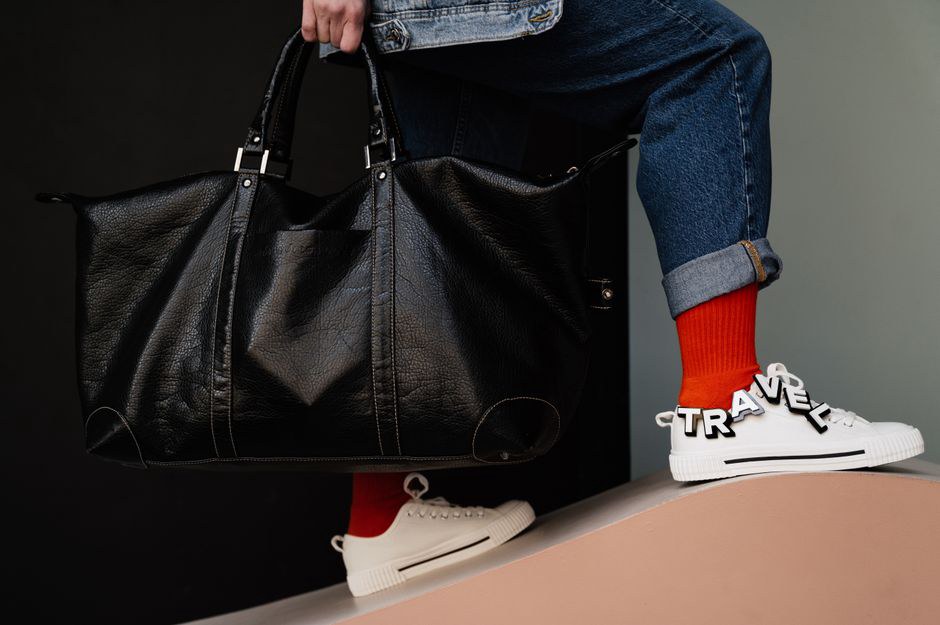
Socks change the fit and affect friction and drying time, so test shoes with the thickness you will actually wear. Bunching at the toes or slipping at the heel can cause trouble even in a well-fitting shoe. Wool blends and synthetics that manage moisture are common choices for long walks; cotton tends to stay damp longer when heavily sweated in or soaked. Check that seams lie flat and the cuff stays up without digging in.
Laces let you adjust the fit as your feet change volume through the day. Slip-ons are convenient at security checks or in accommodation, but they still need to hold your heel during a long walk. With sandals, check for strap rubbing and enough sole protection for your route. Open footwear may not suit cold weather, paths strewn with debris, or venues with footwear rules.
Test before departure, not on arrival
Wear a prospective pair on several ordinary walks before taking it on a walking-heavy trip. Include stairs, changes of pace, and at least one outing long enough to reveal pressure points. New shoes should feel broadly right from the start. Breaking them in may soften the materials, but it will not reliably solve pinched toes, numbness, or persistent heel rubbing.
If you already have a comfortable pair, inspect it before replacing it. Look for compressed or unevenly worn soles, loose seams, worn tread, and insoles that have shifted. A familiar shoe with sound support and traction may be a better choice than an untested purchase. If pain or numbness persists across multiple pairs, ask an appropriately qualified clinician for advice rather than repeatedly sizing up.
Use a short pre-trip trial
- Put on your travel socks and lace the shoes as you would for a full day.
- Walk on pavement and, if relevant, a safe sample of the terrain you expect.
- Afterward, check your feet for redness, hot spots, and pressure marks.
- Repeat on another day. Discomfort that returns in the same place needs attention before you pack.
Pack for recovery and changing conditions
On a trip with several long walking days in a row, a second wearable pair lets you change pressure points and gives damp shoes time to dry. It need not be identical: a supportive walking shoe and a lighter option for shorter, easier outings may cover more of your plans. Flip-flops are a poor sole backup if both pairs may need to handle substantial walking.
Bring enough suitable socks to start each walking day with a dry pair, allowing for laundry and drying time. A spare pair in your day bag helps after unexpected rain. Small blister dressings are useful, but they cannot fix a shoe that rubs in the same place every time. Address a hot spot as soon as you notice it, before the skin is damaged.
For a final check, wear both candidate pairs around the house with your planned socks. When you pack, keep the pair suited to your longest walking day within reach on arrival, rather than buried in checked luggage.