
Store your emergency kit where everyone in the household can find it, even without power or a working phone. Choose an accessible, dry spot—not behind stored furniture or in a garage that might be hard to enter during a storm. Pack enough to support each person for at least three days, then adjust for local hazards and anyone who needs extra help.
Start with water and food
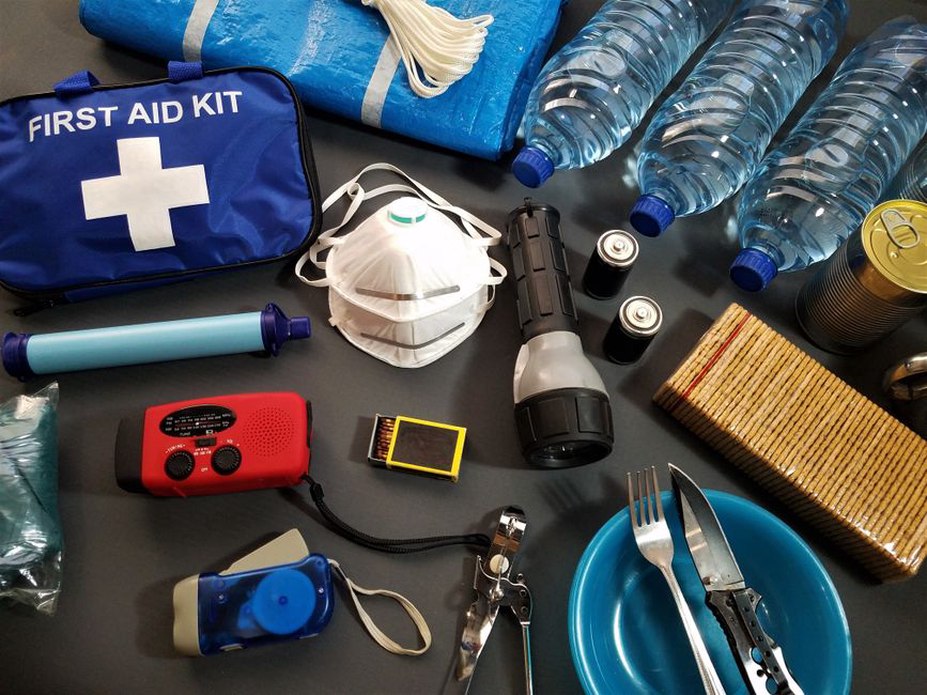
Store at least one gallon (about 3.8 liters) of water per person per day for drinking and basic sanitation. A three-day kit needs three gallons per person; hot weather, pregnancy, illness, and pets may call for more. Use commercially bottled water or clean, food-grade containers. Follow the container’s storage and replacement instructions, and keep water away from chemicals, excessive heat, and direct sunlight.
Choose three days’ worth of shelf-stable food that household members can eat. Canned beans, fish, fruit, and vegetables; crackers; nut butter; and ready-to-eat meals are practical choices. Pack a manual can opener if you need one. Check allergies and dietary restrictions, along with whether food requires water or cooking—both may be hard to manage during a power outage. Set aside food and water for pets, too.
Plan for power, light, and information
A battery-powered or hand-crank radio can provide local alerts when mobile networks are congested or down. Pack a flashlight for each adult, spare batteries in the right sizes, and a charged power bank with cables that fit your devices. Test rechargeable equipment when you check the kit. Skip candles: open flames add fire risk, especially if the home is damaged.
Include a whistle to signal for help if calling out is difficult. Keep important phone numbers and addresses on paper in case a phone is locked or discharged. Where evacuation orders are a risk, add a paper map with more than one route out of the neighborhood. Follow local instructions if a planned route is closed.
Cover health, hygiene, and individual needs
First aid and medication
A basic first-aid pouch should have adhesive bandages, sterile gauze, medical tape, antiseptic wipes, disposable gloves, and tweezers. Add supplies for known medical conditions, following medical advice. The kit cannot replace professional care: know how to seek help for serious injuries, and do not store medicines in conditions that could make them unsafe.
Ask a pharmacist how to maintain an emergency supply of prescription medication where permitted, and how each medicine should be stored. Keep a current list of medications and dosages, plus copies of essential prescriptions. Add spare glasses or contact-lens supplies, hearing-aid batteries, and supplies for mobility or medical equipment as needed. If a device depends on electricity, make a separate plan for backup power and for leaving home if necessary.
Sanitation and comfort
- Pack hand sanitizer, soap, toilet paper, tissues, menstrual products, and personal-care items.
- Add sturdy trash bags, ties, and wipes in case normal sanitation is interrupted.
- Include a change of clothes, sturdy shoes, and a blanket or warm layer for each person.
- For infants, pack diapers, feeding supplies, and age-appropriate food; check sizes and expiration dates often.
Water-resistant gloves and well-fitting dust masks may help during cleanup or around debris. Dust masks do not protect against gases or carbon monoxide. Never run a generator, grill, or fuel-burning heater indoors or near openings into the home. They can produce lethal carbon monoxide even with doors and windows open.
Keep documents and practical tools together
Put copies of identification, insurance details, medical information, and property records in a waterproof pouch; secure the originals separately. Write down a household contact and meeting plan in case people are apart when an emergency begins. Keep sensitive copies away from casual access, and update them when policies or contact details change.
Small-denomination cash may be useful if card systems are down. Pack spare keys, a pen and notebook, and a multipurpose tool if household members can use it safely. Before an emergency, locate the home’s water, gas, and electrical shutoffs. Keep any necessary shutoff tool nearby, but follow utility guidance: once gas service is turned off, a professional may need to restore it.
Choose a location and maintain the kit
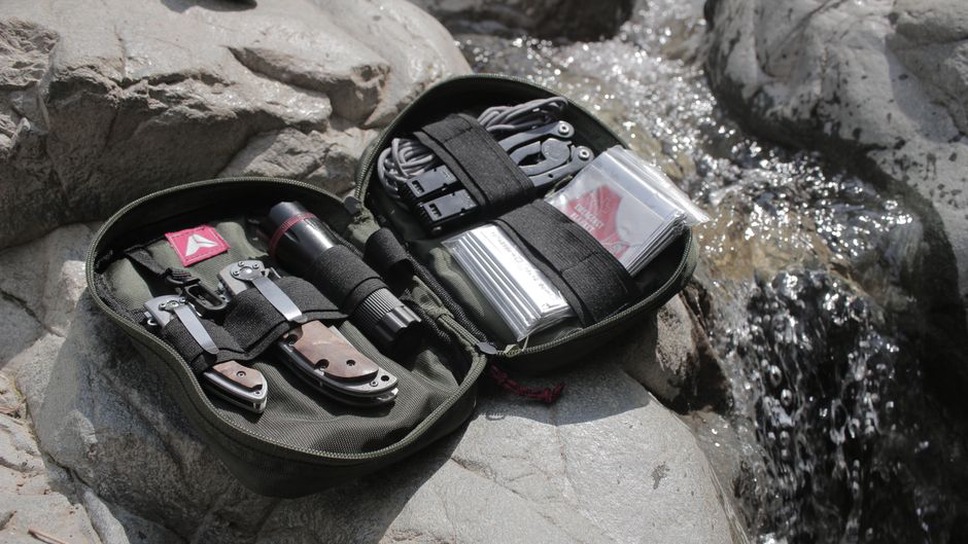
Use sturdy containers that are easy to carry, dividing heavy supplies between them. Keep the main kit near a normal exit path and, where flooding is a risk, above likely floodwater. If storage space allows, prepare a smaller grab-and-go bag with medicines, documents, phone-charging items, and immediate essentials. Water and bulky food can stay in the main kit if carrying everything at once is impractical.
Consider what could block access to the kit. Do not obstruct exits or store supplies in a room that may be unreachable after an earthquake or fire. In earthquake-prone areas, secure tall storage furniture so it is less likely to fall across a route. For broader building precautions, earthquake-resistant design starts with a continuous load path; a household kit serves a different purpose and cannot make up for structural weaknesses.
Check the kit every six months. Replace expired or used items, test the lights and radio, recharge power banks, and update clothing sizes, contact lists, and medication details. Set a calendar reminder and write the next inspection date on the container, so it remains visible if the reminder is missed.