
Understanding the Importance of Historic Preservation
Historic buildings are more than just old structures; they are a window into our past, revealing the architectural styles and construction methods of bygone eras. These buildings enrich our cities by adding cultural and aesthetic diversity, fostering a sense of identity and continuity. Yet, renovating them is no simple task. It requires a careful balance between preserving their historical essence and updating them for modern use.
The Complexities of Structural Integrity
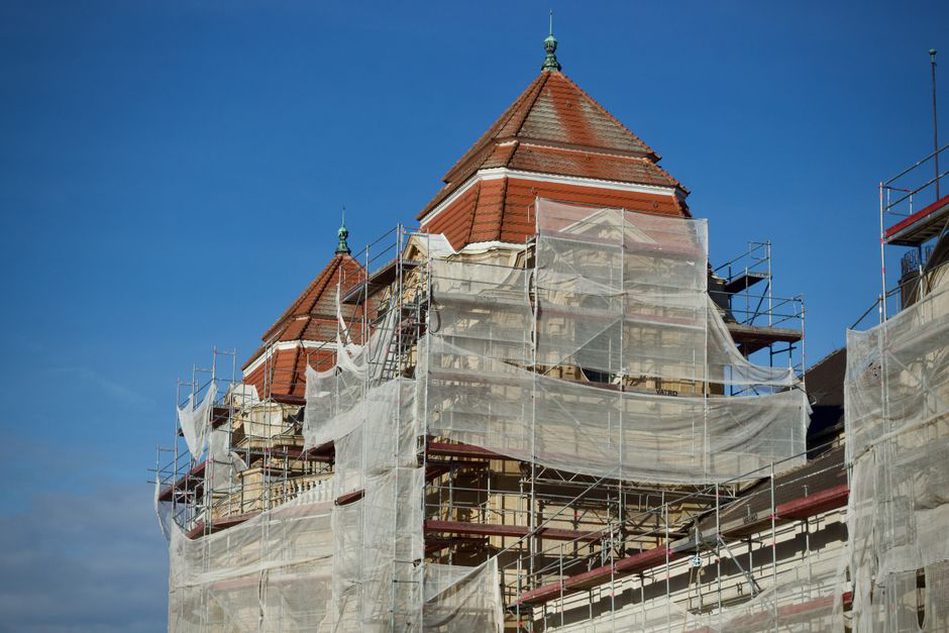
Renovating historic buildings often involves addressing structural integrity. Many of these buildings were constructed with materials and techniques that differ from today's standards. For instance, timber framing common in older buildings might be compromised by rot or insect damage. Masonry structures could face issues like crumbling mortar or unstable foundations.
To tackle these challenges, architects and engineers conduct detailed assessments to evaluate the building's condition and pinpoint areas needing reinforcement. Modern technologies like laser scanning and 3D modeling are invaluable tools, providing precise records of the building's current state.
Balancing Authenticity with Modern Needs
Preserving the authenticity of historic buildings while accommodating modern requirements is a nuanced task. Upgrading facilities to meet current building codes and accessibility standards can be particularly tricky in older structures. For example, installing modern HVAC systems without altering the building's historic character demands creative solutions. Architects might design custom ductwork or cleverly conceal systems within existing structures, blending innovation with respect for historical context.
Materials and Techniques: A Fine Line
The choice of materials and techniques is crucial in historic renovation. Often, the decision lies between restoring original materials or opting for modern substitutes that mimic traditional aesthetics but offer enhanced durability.
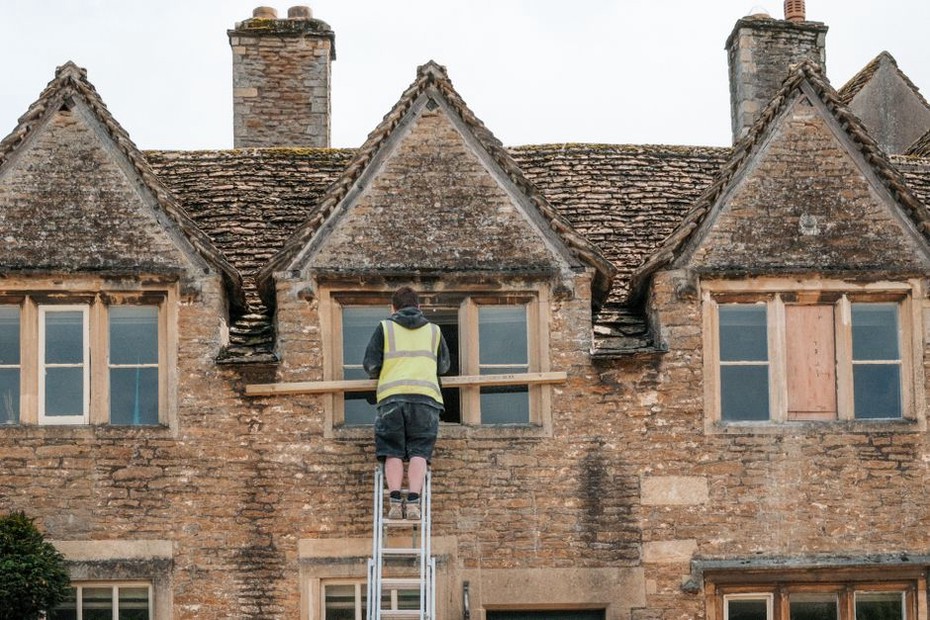
Traditional materials like lime mortar, essential for allowing masonry to breathe, may be necessary to maintain a building's integrity. However, sourcing these materials can be challenging and costly, requiring specialized expertise. Successful restoration often involves collaboration among architects, conservationists, and skilled craftsmen.
Alternatively, using modern materials that replicate historic aesthetics can be practical, though they must be used carefully to maintain the building's original character.
Financial Considerations and Incentives
Financing the renovation of historic buildings is a significant challenge, often requiring substantial investment in time and resources. Fortunately, financial incentives such as tax credits and grants can help offset some of the costs associated with preserving these structures.
Effective cost management is vital throughout the renovation process. This includes meticulous planning and budgeting, along with contingency plans for unexpected issues that may arise. For more on managing costs effectively, explore our article on Mastering Cost Management in Construction: Strategies and Challenges.
Navigating Regulatory and Approval Processes
Renovating historic buildings involves dealing with complex regulatory and approval processes. This often means obtaining permits from local heritage conservation boards, which require detailed documentation and justification for proposed changes.
Understanding these regulations is crucial to ensure that renovations preserve the building's historical value. Architects and project managers must work closely with regulatory bodies to ensure compliance while advocating for necessary updates that keep the building functional.
Conclusion: The Path Forward
Preserving historic buildings is a multifaceted endeavor that requires a deep appreciation for the past and an understanding of modern needs. By addressing challenges related to structural integrity, authenticity, materials, financial considerations, and regulatory compliance, architects and preservationists can ensure these cultural treasures continue to enhance our environments for future generations.
For more insights on integrating modern needs with historic preservation, consider our discussion on Illuminating Architecture: The Role of Light in Design, which explores how lighting can enhance both modern and historic spaces.