
The Evolution of High-Rise Living
High-rise living has been a part of urban development for over a century, yet it continues to redefine city skylines worldwide. Early skyscrapers in New York and Chicago paved the way for the awe-inspiring towers we see today in places like Dubai and Shanghai. This shift toward vertical living addresses the pressing need for space in densely populated cities and offers a practical response to housing shortages.
Innovative Design and Construction Techniques
Today's high-rise residential buildings are shaped by advanced design and construction methods. Modular construction, as detailed in our article on the impact and future of modular construction, is revolutionizing the industry. This approach involves prefabricating building components off-site, which streamlines construction and reduces waste.
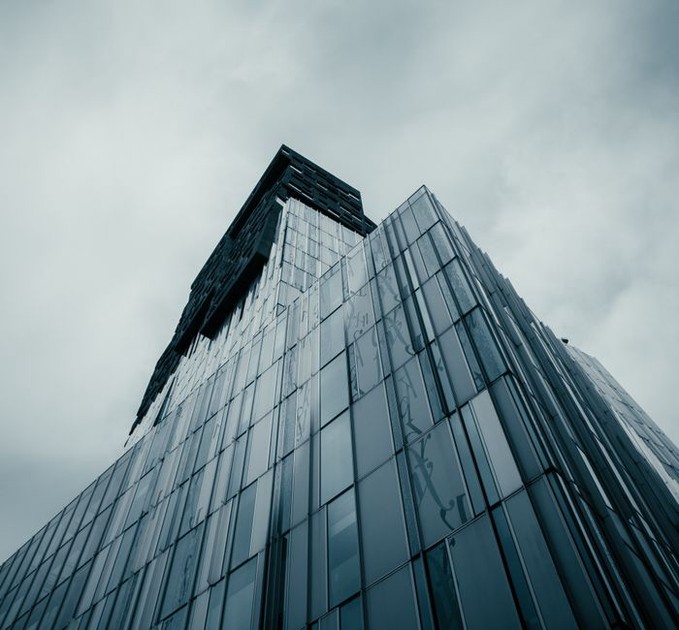
Developments in building materials have led to lighter, stronger structures that enhance safety and energy efficiency. Glass facades, for example, serve both aesthetic and practical purposes by allowing natural light to flood living spaces, thereby cutting down on the need for artificial lighting.
Sustainability and Environmental Integration
Sustainability is integral to modern high-rise design. Incorporating technologies like solar panels, rainwater harvesting, and energy-efficient HVAC systems helps minimize the environmental impact of these towering structures. Our guide to innovations in healthcare architecture post-pandemic showcases similar sustainable practices now being adopted in residential buildings.
Vertical gardens and green roofs are increasingly common features in new high-rise projects, enhancing air quality and providing urban dwellers with a much-needed connection to nature.
Community and Social Dynamics
High-rise living extends beyond the physical structure to foster community among residents. Modern buildings often feature shared spaces like gyms, rooftop gardens, and co-working areas, encouraging social interaction and a sense of belonging.
- Shared Amenities: Facilities such as swimming pools, play areas, and event spaces promote community engagement.
- Smart Technology: Smart home systems and apps facilitate communication between residents and building management.
- Mixed-Use Developments: Combining residential, commercial, and recreational spaces within the same building creates a lively community.
The Role of Technology in High-Rise Living
Technology is crucial in managing and operating high-rise residential buildings. Smart building technologies, including IoT devices and advanced security systems, enhance safety and convenience for residents. These systems help manage energy use and provide automated maintenance alerts.
Advancements in elevator technology have made it possible to build taller structures without sacrificing efficiency or comfort in vertical transportation. AI-powered systems for crowd management in elevators further improve the high-rise living experience.

Challenges and Considerations
Despite the advantages of high-rise living, there are challenges to address. Ensuring fire safety, managing energy consumption, and maintaining structural integrity require careful planning. Our article on enhancing fire safety in building design outlines strategies vital for protecting these vertical communities.
Affordability is another concern, as construction and maintenance costs can increase property prices. Developers must balance luxury amenities with affordable housing options to create inclusive environments.
The Future Outlook
The future of high-rise residential buildings is bright, with ongoing innovations in design, technology, and sustainability. As urban populations grow, the need for efficient and eco-friendly vertical living solutions will rise. We can expect further integration of AI in building management systems, advancements in sustainable materials, and the expansion of smart city concepts to improve urban life.
Ultimately, the success of future high-rise developments will hinge on their adaptability to evolving urban demands and environmental factors, ensuring these towering structures remain attractive options for city dwellers.