
Understanding the Context
Architects face distinct challenges and opportunities when designing for urban versus rural areas. Cities are marked by dense populations, constrained spaces, and established infrastructure, while countryside locations offer wide-open spaces, fewer zoning restrictions, and a strong connection to nature. These contrasting environments demand different architectural approaches.
Space Utilization and Zoning
In cities, making the most of limited space is crucial. Architects must work within strict zoning laws that dictate building height, setbacks, and floor area ratio. Creative solutions for small building designs are vital to develop functional spaces in compact areas. On the other hand, rural areas often allow more freedom in building placement, enabling designs that blend naturally with the environment.
Urban Challenges
- High land costs demand efficient space use.
- Complex zoning regulations must be adhered to.
- Buildings need to integrate with existing infrastructure and public transport systems.
Rural Opportunities
- Lower land costs allow for larger plots and expansive designs.
- Fewer zoning restrictions provide creative freedom.
- Opportunities to incorporate sustainable practices and renewable energy sources.
Environmental Integration
City designs must tackle issues like pollution, noise, and heat. Solutions such as green roofs, vertical gardens, and sustainable materials help address these concerns. In rural settings, architecture often focuses on blending with nature, using local materials, minimizing site disturbance, and optimizing passive solar heating.

Adapting structures to their environment not only enhances aesthetics but also boosts energy efficiency. For example, orienting a rural home to catch prevailing winds can decrease reliance on mechanical cooling.
Community and Cultural Considerations
Understanding local culture and community needs is key in both urban and rural areas. Cities often have diverse populations that require versatile spaces for various uses. Mixed-use developments, combining residential, commercial, and recreational spaces, are increasingly popular in urban settings.
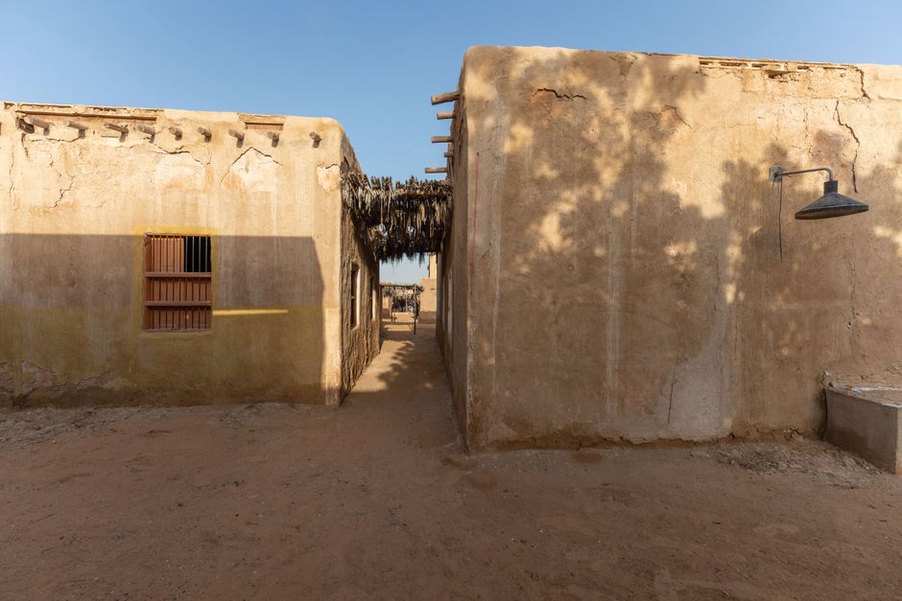
In rural communities, architecture can mirror local traditions and lifestyles. Buildings might feature vernacular styles, use locally sourced materials, and support local economies, fostering a sense of belonging and preserving cultural heritage.
Infrastructure and Accessibility
Urban projects must consider existing infrastructure like transportation networks and utilities, enhancing connectivity and accessibility for all, including those with disabilities.
Rural areas face challenges such as limited access to public utilities and transportation. Architects may need to design solutions with off-grid systems, like solar power and rainwater harvesting, to create self-sufficient buildings independent of municipal services.
Cost Considerations
The financial aspects of architectural projects vary greatly between urban and rural settings. City projects often have higher construction costs due to expensive land and materials. Strategic financial planning is crucial to manage budgets and avoid overruns, as detailed in our guide on mastering financial planning in large-scale projects.
In rural settings, while land costs may be lower, transporting materials and labor can drive up expenses. Architects must strike a balance between cost-efficiency and quality to ensure rural projects are both affordable and sustainable.
Conclusion
Architectural design must be tailored to the unique characteristics of urban and rural environments. By understanding these differences, architects can create spaces that are functional, sustainable, and harmonious with their surroundings. Whether in the bustling city or the peaceful countryside, thoughtful design enhances the quality of life for inhabitants while respecting the distinct context of each location.