
Understanding the Scope of Financial Planning
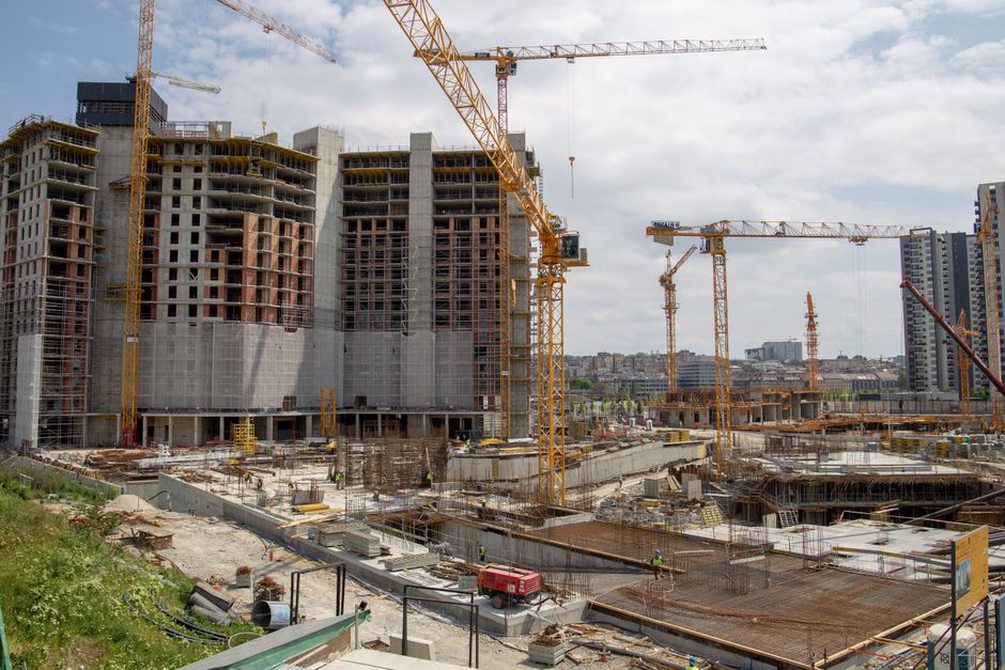
In architectural projects, financial planning is a complex task that requires careful cost estimation, budget setting, and efficient fund allocation throughout the project's duration. This is especially critical for large-scale endeavors where financial missteps can lead to major losses. Beyond just setting a budget, effective planning involves ongoing monitoring and adjustments to account for unexpected expenses or changes in project scope.

Key Components of Financial Planning
Initial Cost Estimation
Initial cost estimation lays the groundwork for financial planning. It involves a detailed analysis of all potential project costs. Architects and financial planners work together to evaluate expenses related to materials, labor, permits, and equipment. As noted in Mastering the Permit Process in Construction Projects, understanding permit costs and timelines is crucial to prevent unexpected delays and additional expenses.
Budget Allocation and Management
After estimating initial costs, the budget must be allocated across different project phases. This step involves prioritizing spending based on project needs and timelines. Regular reviews and updates are essential to ensure optimal use of funds and to anticipate any financial changes.
Risk Assessment and Contingency Planning
Identifying potential risks and preparing contingency plans are vital aspects of financial planning. Risks can include market fluctuations affecting material costs or unexpected delays due to weather or regulatory changes. A well-prepared risk management strategy can help minimize financial impacts and keep the project on track.
Innovative Financial Strategies
Applying innovative financial strategies can greatly aid in managing large-scale architectural projects. These strategies include:
- Value Engineering: This method focuses on optimizing project design to enhance functionality and cut costs without sacrificing quality. It fosters creativity and collaboration among project teams.
- Phased Financing: By structuring financing in phases, projects can maintain flexibility in managing cash flow and addressing financial needs as they emerge.
- Leveraging Technology: Using software and technology for financial tracking and reporting can improve transparency and accuracy in budget management. As discussed in Smart Technology in Schools: Enhancing Education and Efficiency, integrating technology can streamline processes and boost efficiency.
Challenges in Financial Planning
Even with meticulous planning, large-scale projects often encounter challenges that can affect financial outcomes. Market volatility, regulatory changes, and unexpected project modifications are common obstacles. Addressing these challenges requires agility and proactive financial management. Regular communication among stakeholders and continuous financial audits can help manage these issues effectively.
Conclusion: Achieving Financial Success
To achieve financial success in large-scale architectural projects, a comprehensive and adaptable financial planning approach is essential. By focusing on precise cost estimation, strategic budget allocation, and proactive risk management, stakeholders can handle the complexities of these projects effectively. Embracing innovative strategies and technology further enhances financial management capabilities, allowing architectural visions to be realized without jeopardizing financial stability.