
Fire safety plays a crucial role in building design and construction, directly impacting the well-being of occupants and the durability of the structure. By incorporating fire safety measures early in the design phase, risks can be minimized, regulatory standards met, and both lives and property safeguarded.
Core Principles of Fire Safety in Building Design
Designing for fire safety hinges on prevention, detection, and evacuation. Prevention aims to reduce fire risks through fire-resistant materials and safe electrical systems. Detection involves using fire alarms and smoke detectors to alert occupants swiftly, while evacuation focuses on creating safe, efficient escape routes.
Fire-Resistant Materials
Choosing fire-resistant materials is a key strategy in fire safety. Concrete, gypsum, and specially treated wood can endure high temperatures, slowing fire spread. This is vital in multi-story buildings where fire can quickly move upwards. Exploring sustainable materials in public building projects can provide both fire resistance and environmental benefits.
Designing for Evacuation
Effective evacuation routes are critical for safety. This involves clear exit markings, well-placed staircases, and visible signage. Adherence to local building codes, which specify corridor widths and exit numbers based on occupancy, is essential. Advanced fire alarm systems can further aid in guiding occupants during emergencies.

Innovations in Fire Safety Technology
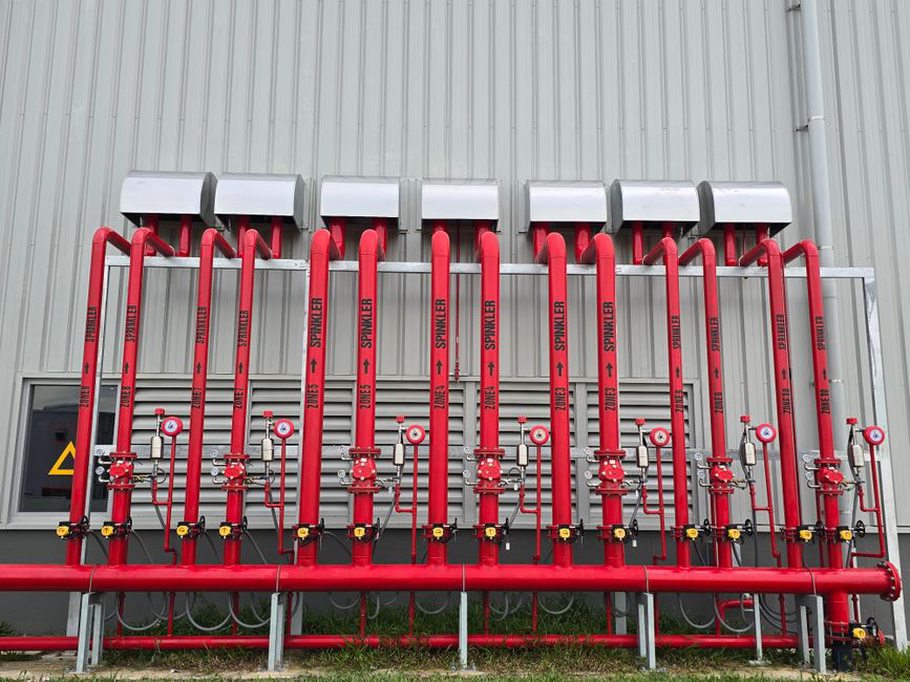
Technological advancements have greatly improved fire safety. Modern detection systems can integrate with building management systems, offering real-time data and automated responses. Sprinkler systems, once considered a luxury, are now standard in many buildings, proving effective in fire control.
Smart technology is increasingly used in educational settings, enhancing safety measures. For example, smart technology in schools improves both educational and emergency response efficiency, including fire safety protocols.
Regulatory Compliance and Standards
Adhering to fire safety regulations is a legal necessity in most areas. These standards ensure that buildings are equipped with proper fire protection features. Architects and engineers must stay updated on the latest regulations and incorporate them into their designs. Regular inspections and maintenance are crucial to keeping fire safety systems operational and effective.
Integrating Fire Safety with Sustainable and Aesthetic Goals
Fire safety should complement rather than compromise a building's aesthetic and sustainable features. Innovative design can blend fire safety elements with visual appeal and environmental objectives. For instance, innovative energy-efficient roof designs can use fire-resistant materials without losing energy efficiency.
- Balance: Choose materials and systems that meet both safety and design needs.
- Collaboration: Engage with fire safety experts early in the design process to find the best solutions.
- Innovation: Use new technologies and materials that offer fire safety and sustainability benefits.
Incorporating fire safety into building design requires knowledge of technical standards and innovative solutions. By prioritizing safety alongside design and sustainability, architects can create buildings that protect occupants and enhance their environment.