
Schools are embracing smart technology to create better learning environments, boost efficiency, and enhance safety for students and staff. This isn't just about adding gadgets; it's about integrating technology that aligns with educational goals and the realities of modern learning. Stakeholders in education need to understand this integration deeply.
Key Areas of Smart Technology Integration
Smart technology in schools covers several areas, each playing a unique role in enhancing education. These include classroom tools, building management systems, security measures, and administrative processes.
Classroom Technology
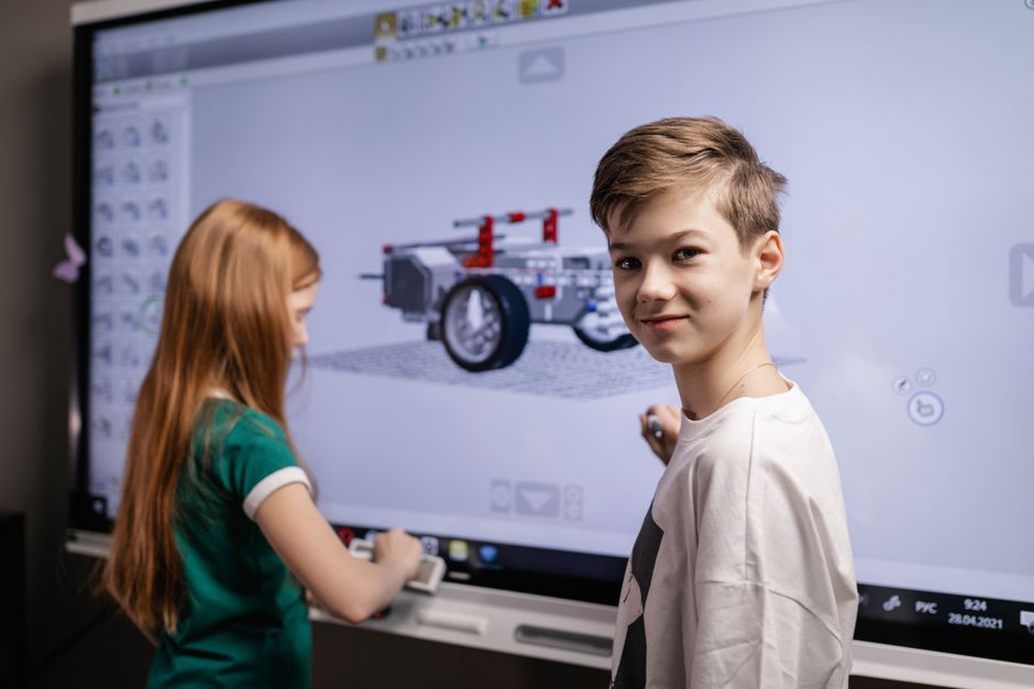
Modern classrooms now commonly feature interactive whiteboards, digital projectors, and tablets. These tools create an engaging learning environment, allowing students to interact with content as it's presented. For instance, smartboards enable teachers to use multimedia materials and conduct interactive lessons, accommodating various learning styles.
Building Management Systems
Smart building management systems (BMS) improve energy efficiency and cut operational costs. Automated systems for lighting, heating, and ventilation adjust according to occupancy and environmental conditions. This not only conserves energy but also ensures a comfortable learning atmosphere by maintaining ideal indoor conditions.
Using sustainable materials and technologies in public building projects complements these efforts by reducing the environmental impact of educational facilities. For more insights, see our article on exploring sustainable materials in public building projects.
Safety and Security
Smart security systems, such as surveillance cameras, access control, and emergency protocols, are essential for a safe school environment. These technologies allow for real-time monitoring and quick threat responses, protecting students and staff. Advanced systems can also send real-time alerts to security personnel and school administrators via mobile devices.
Administrative Processes
Smart technology simplifies administrative tasks, giving educators and administrators more time to focus on teaching. Cloud-based systems for managing student information, attendance, and grades are becoming more common. These systems provide easy access to information, reduce paperwork, and improve communication among teachers, students, and parents.
Benefits of Smart Technology in Education
Integrating smart technology in schools offers many benefits, including enriched learning experiences, greater efficiency, and improved safety. Here are some specific advantages:
- Personalized Learning: Smart technology supports learning experiences customized to individual student needs, helping educators address different learning styles and speeds.
- Enhanced Collaboration: Digital tools promote collaboration among students and teachers, creating a more interactive classroom environment.
- Operational Efficiency: Automated systems lower energy use and operational costs, allowing schools to allocate resources more effectively.
- Data-Driven Decisions: Real-time data collection and analysis help educators and administrators make informed decisions about curriculum changes, resource allocation, and student support strategies.
Challenges and Considerations
Despite the benefits, integrating smart technology in schools presents challenges, such as cost concerns, the need for ongoing professional development, and ensuring data security and privacy.
Cost Concerns
Implementing smart technology can be expensive, requiring significant initial investment and ongoing maintenance. Schools must plan their budgets carefully and explore funding opportunities to support these initiatives. Insights from effective cost management strategies in construction projects can be applied to manage these expenditures efficiently. For further details, explore our article on mastering cost management in construction.
Professional Development
For smart technology to be effective, educators need proper training to use new tools. Continuous professional development is essential to ensure that teachers can use technology to improve teaching and learning outcomes.
Data Security and Privacy
As digital tools become more prevalent, protecting student data is crucial. Schools must implement strong cybersecurity measures to safeguard sensitive information and comply with legal and ethical standards. Protecting data privacy is not just a legal requirement but also essential for building trust with students and parents.

Future Trends in Smart Educational Facilities
The future of smart schools involves the ongoing evolution of technology and its integration into the learning environment. Emerging trends include using artificial intelligence (AI) for personalized learning, virtual and augmented reality for immersive educational experiences, and the Internet of Things (IoT) for interconnected educational ecosystems.
As schools continue to adopt these technologies, they must also consider their broader urban context and sustainability. The role of landscaping and integration with urban environments will become increasingly important, as detailed in our exploration of the role of landscaping in urban design.
Ultimately, successfully integrating smart technology in schools requires careful planning, ongoing evaluation, and a commitment to enhancing the educational experience for everyone involved.