
Redefining Space in Healthcare Facilities
The COVID-19 pandemic has brought about a notable shift in the architectural design of healthcare facilities, particularly in how space is utilized. Hospitals and clinics now require flexible areas that can be quickly adapted to accommodate varying patient volumes and clinical demands. Architects are increasingly focusing on modular designs that facilitate the rapid transformation of regular wards into intensive care units during patient surges.
Technology integration within healthcare spaces is now a priority. Many facilities are incorporating telemedicine suites and areas designated for remote consultations, which enhance patient care and streamline healthcare delivery.

Focus on Infection Control and Safety
Infection control has always been vital in healthcare architecture, but the pandemic has heightened the emphasis on this aspect. Architects are developing buildings with advanced ventilation systems to minimize airborne pathogens. The use of antimicrobial materials, such as copper and specialized paints, is becoming more prevalent to lower contamination risks.
Healthcare facilities are also designing separate entrances and exits for different patient groups to reduce cross-contamination. These measures are essential for safeguarding staff, patients, and visitors, and are being integrated into both new constructions and renovations.
Embracing Biophilic Design
The pandemic has highlighted the role of mental health in patient recovery, leading to a growing interest in biophilic design within healthcare architecture. By incorporating elements like natural light, green spaces, and views of nature, facilities can significantly improve patient well-being and alleviate stress.
Research indicates that patients in rooms with natural views recover faster than those in windowless environments. Consequently, architects are increasingly adding gardens, indoor plants, and natural materials to create a healing atmosphere within healthcare facilities.
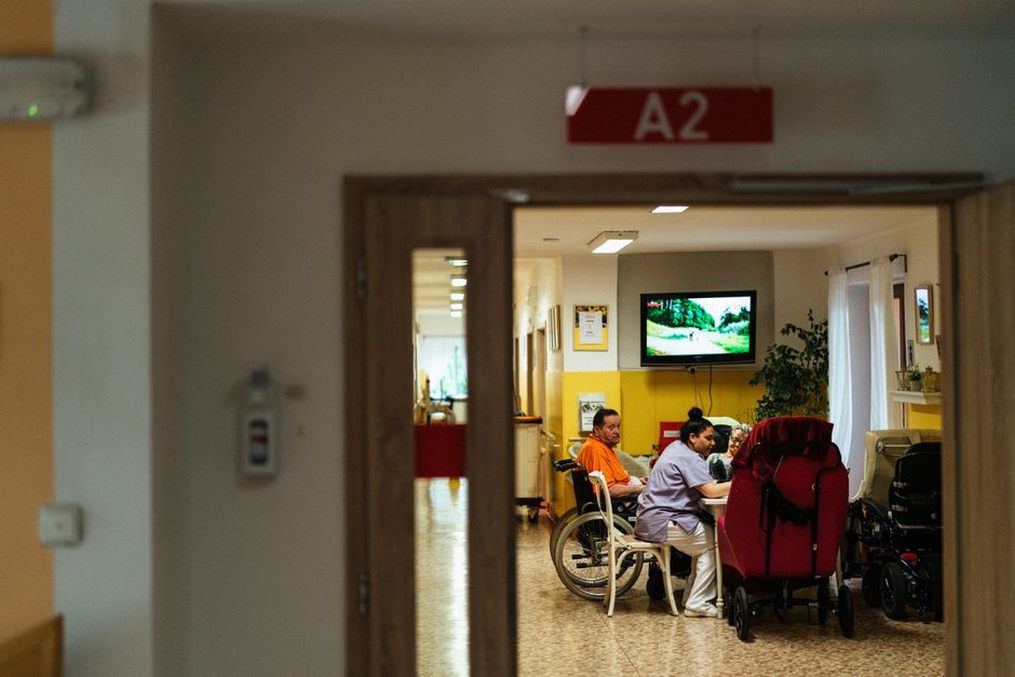
Adapting to Changing Needs Through Adaptive Reuse
Adaptive reuse is gaining traction in healthcare architecture, especially in urban areas with limited space. Converting existing buildings into healthcare facilities offers a cost-effective solution to meet the rising demand for medical infrastructure. This approach not only reduces construction costs but also shortens the time needed to establish healthcare services.
A successful example is the transformation of abandoned office buildings into outpatient clinics. This strategy aligns with sustainable practices by minimizing the environmental impact associated with new construction. For further insights, refer to Exploring the Potential of Adaptive Reuse in Architecture.
Community-Centric Healthcare Design
In the wake of the pandemic, there is an increasing focus on designing healthcare facilities that extend their services beyond traditional medical care. Modern healthcare architecture often includes spaces for community events, health education, and wellness programs. These multifunctional areas help bridge the gap between healthcare providers and the communities they serve, fostering a sense of partnership and support.
This trend is part of a broader movement towards mixed-use developments in urban planning, where buildings serve multiple purposes and communities benefit from diverse services. To explore how mixed-use developments are shaping modern cities, check out How Mixed-Use Developments Are Shaping Modern Cities.
Conclusion: A New Era in Healthcare Architecture
The transformation of healthcare architecture post-pandemic is marked by adaptability, safety, and community involvement. Architects are tasked with creating spaces that address current healthcare challenges while enhancing patient experiences and community engagement. As the industry evolves, these changes promise a more resilient and responsive healthcare infrastructure.