
Understanding Smart Cities
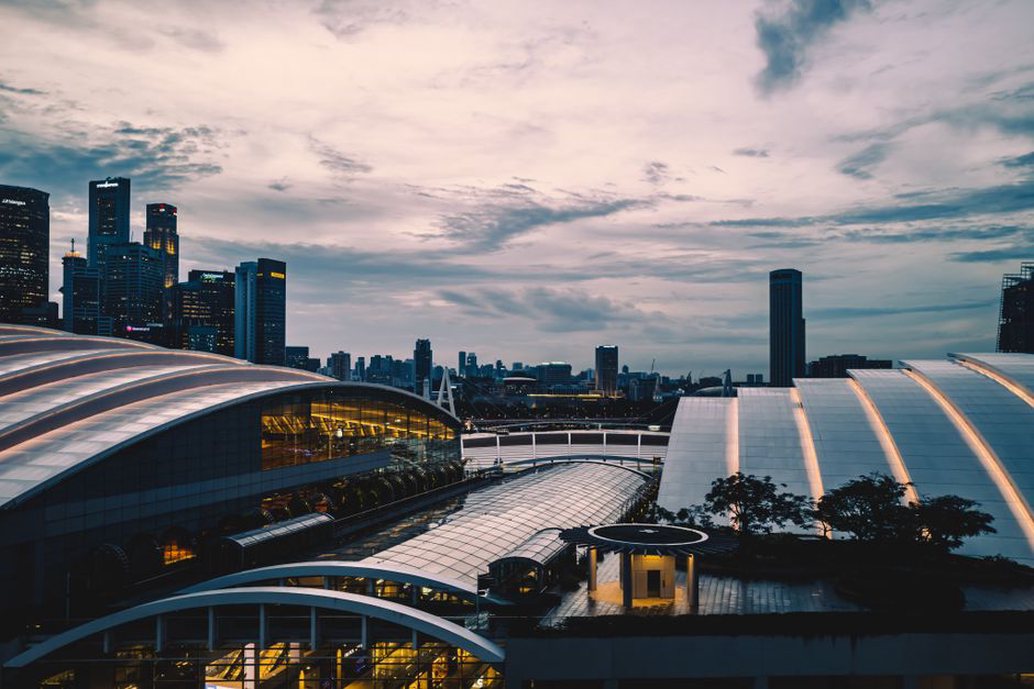
Smart cities are reshaping urban life by using technology and sustainable practices to improve living conditions and streamline city management. These cities integrate digital solutions into infrastructure, transportation, energy management, and public services. Architects are key players in this transformation, designing spaces that are visually appealing, technologically advanced, and environmentally friendly.
Role of Architecture in Smart Cities
In smart cities, architecture transcends traditional design, focusing on creating buildings that are intelligent and efficient. These structures utilize sensors and automation to enhance energy efficiency, minimize waste, and improve comfort. Smart systems for lighting, heating, cooling, and security are managed through digital platforms.
Architects prioritize incorporating green spaces and sustainable materials into their designs. Green spaces not only support environmental goals but also enhance the well-being of residents by encouraging community interaction and promoting mental health.
Innovative Materials and Technologies
Advancements in materials science are driving more sustainable architectural practices. Materials like self-healing concrete, photovoltaic glass, and energy-efficient insulation are increasingly used in smart city projects, reducing carbon footprints and increasing durability.
Technology is crucial in smart city architecture. Building Information Modeling (BIM) helps architects create detailed digital models of buildings, improving planning and collaboration. Internet of Things (IoT) devices enable real-time monitoring and management of building systems, boosting efficiency and cutting operational costs.
Urban Planning and Design
Smart city architecture requires careful urban planning to ensure buildings and infrastructure are interconnected and responsive to community needs. This involves collaboration among architects, planners, engineers, and local governments. The power of collaboration in modern architecture is essential for incorporating diverse perspectives into the design process.
Urban planners aim to create walkable neighborhoods, efficient public transportation systems, and mixed-use developments that reduce car dependency and foster community engagement. Designing educational facilities in these areas involves creating adaptable spaces that can accommodate future technological advancements and evolving educational needs.
Challenges and Opportunities
Designing architecture for smart cities presents challenges, such as the need for substantial investment in technology and infrastructure, privacy concerns related to data collection, and integrating new solutions into existing urban environments. These challenges also offer opportunities for innovation and growth.
Architects must address these complexities while keeping their designs functional, sustainable, and visually appealing. Engaging with the public in community building projects is vital, as it helps architects understand residents' needs and preferences, leading to more successful developments.
The Future of Architectural Design
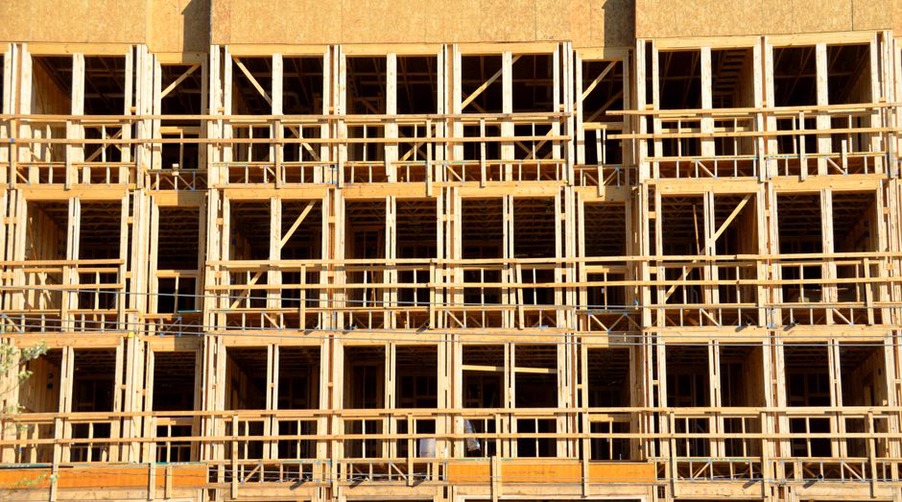
The future of architecture in smart cities will be driven by innovation and sustainability. As urban populations grow, architects will need to design spaces that meet diverse needs while minimizing environmental impact. This will involve a focus on modular construction techniques, adaptable spaces, and community-centered designs.
Incorporating art into architecture will be important for enhancing spaces with creativity, allowing cities to maintain their cultural identity while embracing technological progress. Architects will need to balance these elements to create harmonious urban environments that meet the demands of future smart cities.
Conclusion
The evolution of architecture in smart cities is set to change urban areas into interconnected spaces that prioritize sustainability, efficiency, and quality of life. Architects will lead this change, using technology and innovative design to create cities that are intelligent, resilient, and livable.