
The Importance of Multi-Disciplinary Collaboration
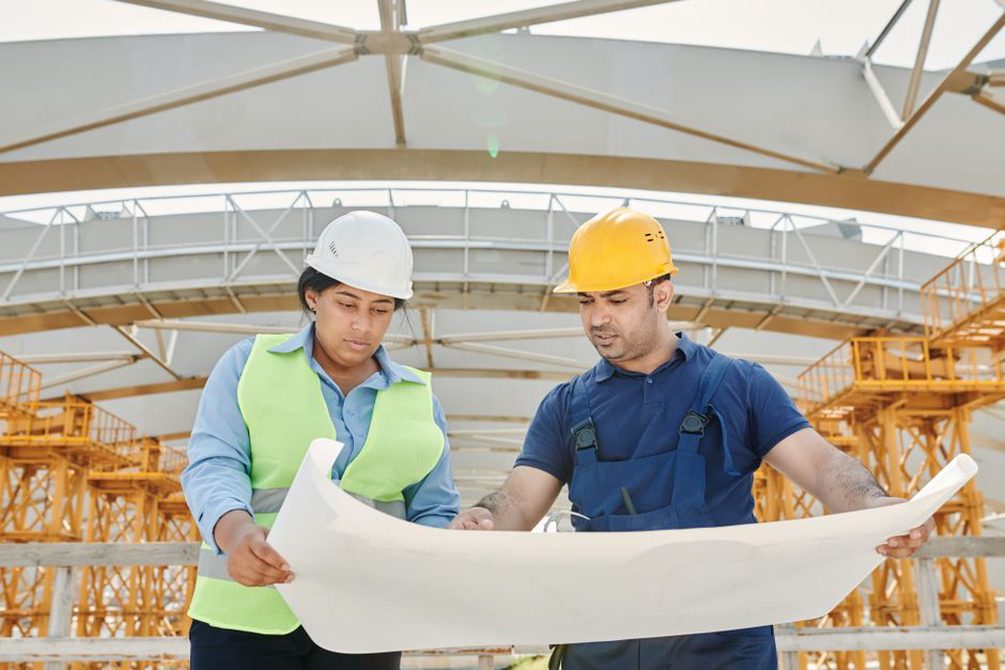
Modern architecture and design projects are intricate, often requiring the input of various experts. Engineers, architects, urban planners, and environmental consultants increasingly join forces to develop cohesive solutions. This collaboration is not just advantageous but crucial for producing high-quality, sustainable outcomes.
Key Components of Successful Collaboration
For multi-disciplinary teams to work effectively, certain elements are vital. Understanding these elements can help stakeholders manage the complexities of project design and execution:
1. Clear Communication
Communication forms the foundation of any successful team effort. Establishing clear communication channels and ensuring everyone is aligned can prevent misunderstandings and mistakes. Regular meetings, shared digital platforms, and documented processes play a key role in maintaining effective communication.
2. Defined Roles and Responsibilities
When roles and responsibilities are clearly defined, each team member understands their specific contributions and expectations. This clarity helps avoid overlap and confusion, ensuring the project moves forward smoothly.
3. Integration of Technology
Using technology like Building Information Modeling (BIM) and other collaborative software can greatly improve coordination. These tools facilitate the sharing of up-to-date information and allow team members to see the project's progress in real-time.
Challenges in Multi-Disciplinary Collaboration
While collaboration offers numerous advantages, it also presents challenges. Addressing these challenges is key to the success of any project.
1. Cultural and Professional Differences
Team members from different fields often have varying approaches and terminologies. Bridging these differences requires patience, mutual respect, and a willingness to understand each other's viewpoints.
2. Balancing Diverse Objectives
Each discipline may have its own priorities, which can sometimes conflict. Effective collaboration involves finding common ground and aligning diverse objectives with the project's overall goals.
Strategies for Enhancing Collaboration
Several strategies can be implemented to improve collaboration within multi-disciplinary teams:
- Early Involvement: Engaging all relevant disciplines from the project's start can help identify potential issues early and foster a sense of shared ownership.
- Continuous Learning: Encouraging team members to learn about other disciplines can improve understanding and facilitate better integration of ideas.
- Regular Feedback Loops: Establishing feedback mechanisms allows for continuous improvement and ensures any issues are addressed promptly.
For a deeper understanding of how cultural factors can influence architecture, you might explore The Interplay of Culture and Architecture: A Deep Dive.
Case Study: The Role of Collaboration in Educational Facility Design
Designing educational facilities presents unique challenges that benefit significantly from multi-disciplinary collaboration. Architects, educators, and environmental psychologists must work together to create spaces that are not only functional but also conducive to learning. By integrating feedback from all stakeholders, these facilities can better serve the needs of students and educators alike. For more insights on this topic, consider reading Key Considerations in Designing Educational Facilities.
Conclusion: A Path Forward
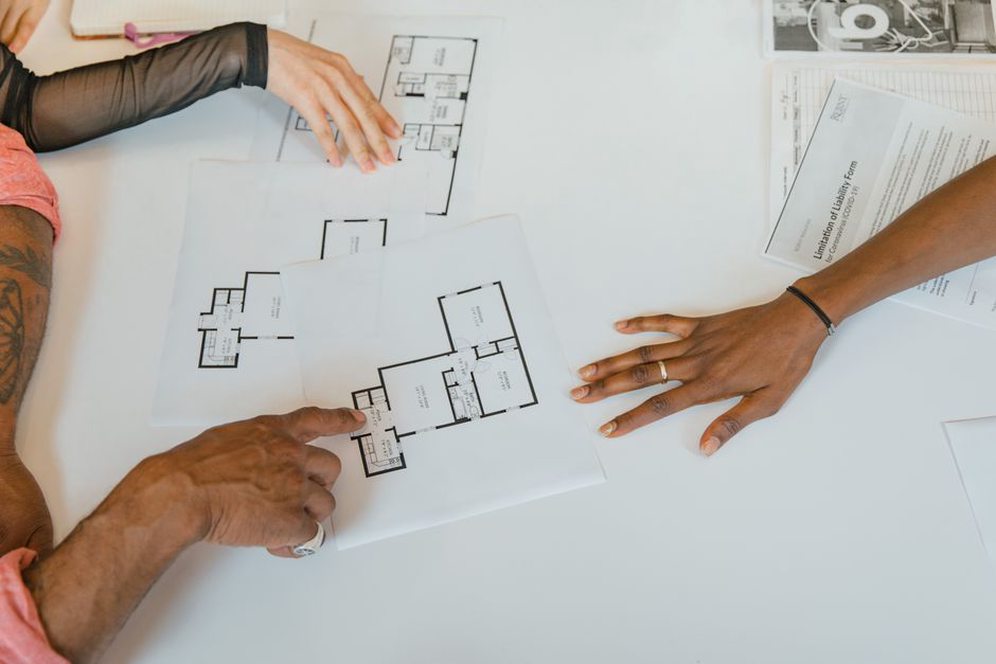
As architectural projects grow more complex, the ability to collaborate effectively becomes increasingly important. By fostering open communication, defining clear roles, integrating technology, and proactively addressing challenges, teams can enhance their collaborative efforts. The future of successful project delivery lies in embracing these collaborative practices.