
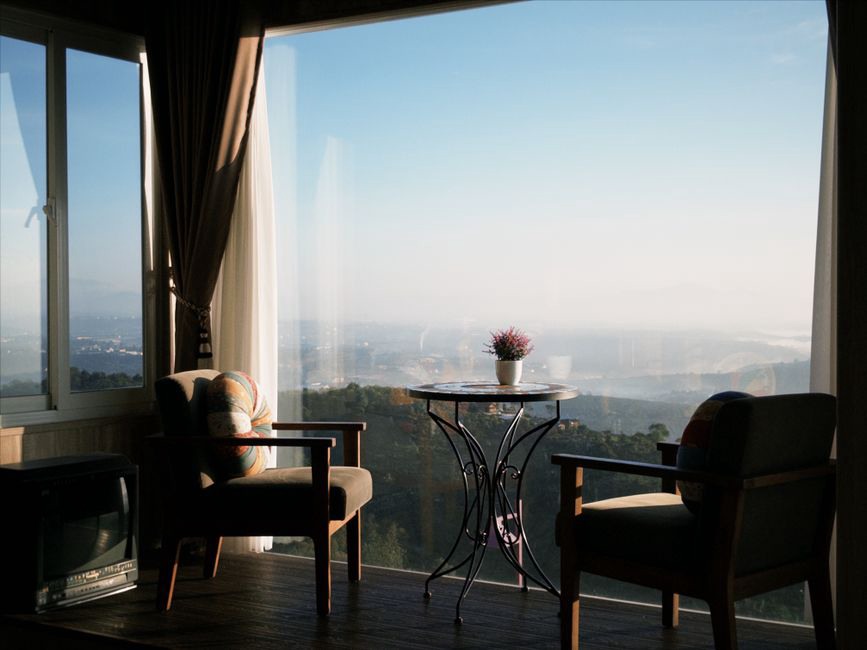
A reading chair by the window can look perfect and still be unpleasant to use: afternoon sun hits the page, or a television carries through from the next room. Before choosing furniture, sit in the proposed spot when you normally read. Check the light, listen for interruptions, and see whether anyone needs to pass close by. What you notice will tell you more than a photograph of an attractive empty corner.
Choose the location before buying anything
A reading corner does not need its own room. The end of a bedroom, a recess off the living area, or a wide landing may work if there is room to sit, turn a page, reach the light switch, and get up without shifting furniture. Its relationship to doors, household activity, and daylight matters more than its floor area.
Try two or three locations at the hours you expect to use them. A spot beside the kitchen may be quiet in the morning but busy after dinner. A window seat can feel comfortable on an overcast day and too hot in direct sun. If a corner faces a frequently used doorway or shares a wall with a television, try somewhere else before buying furnishings to compensate.
Check circulation and access
Use removable tape to mark out the chair and a small table. Walk the usual route through the room, open nearby doors and drawers, then pull the chair into the position you would actually sit in. Keep the exit route clear of lamps, book stacks, and charging cables. In a shared home, a seat will feel less private if everyone passes directly in front of it.
Consider who will use the chair. Someone with limited mobility may need a firm seat with armrests and clear approach space rather than a deep chair squeezed into an alcove. A reachable shelf and light switch can also spare repeated bending or stretching. In a rented home, a movable setup avoids unnecessary changes to walls and services.
Manage noise without expecting silence
Quiet is partly about predictability. A steady hum may be easier to ignore than snippets of conversation, slamming doors, or phone alerts. Identify where the noise comes from first: a hallway gap calls for a different response than sound travelling through a shared wall.
Start with layout and everyday habits
Where possible, move the chair away from speakers, televisions, and appliances. A bookcase can screen the reading area from a shared living space, but an open shelf will not reliably block sound. Rugs, upholstered furniture, and curtains can soften echoes within the room. They will not soundproof it or stop substantial noise coming through a wall.
If corridor noise comes through a door, check that it closes properly and look for obvious gaps. A suitable draught seal may help around the edges, as long as the door still operates safely. Do not block required ventilation or alter a fire-rated door without appropriate advice. Cushions and wall hangings beside the chair are unlikely to solve heavy structural noise such as footsteps overhead.
Sometimes a household agreement works better than another purchase. Try a quiet reading period, move a television speaker farther away, or close a door during calls. Headphones or gentle background sound may help if you find them comfortable; keep the volume low enough to hear alarms and other important cues.
Layer daylight and a controllable reading light
Daylight makes a corner appealing, but the page still needs fairly even light. Avoid direct sun on a book or tablet and a bright window directly behind the page in your field of view. Turning the chair a little, adjusting a blind, or adding a light-filtering curtain may give you the control you need without moving everything.
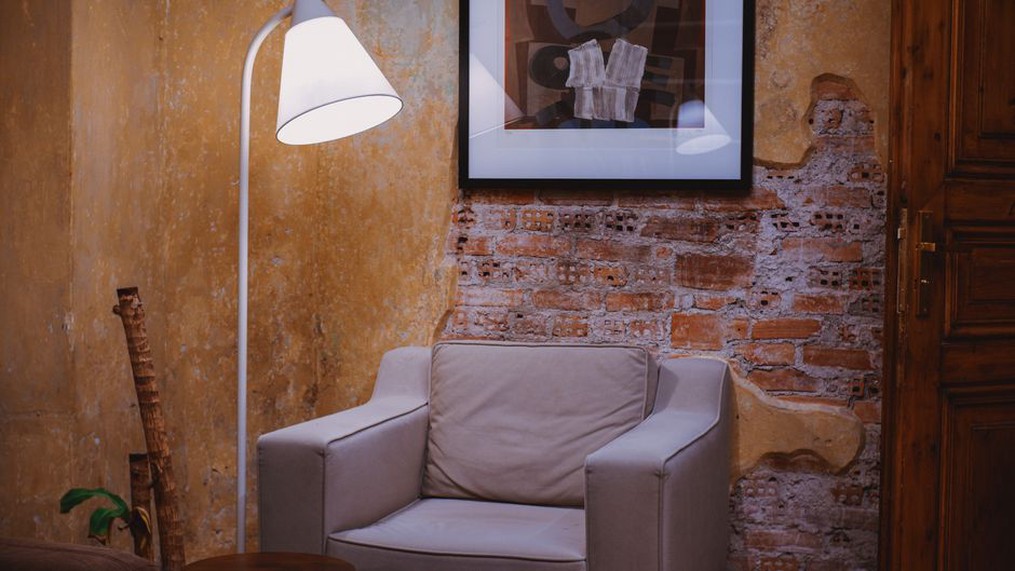
A reading lamp should light the page without shining into your eyes. A movable task lamp lets you adjust its angle for the chair, book, and time of day. Set it to one side and check it while seated. If your hand casts a shadow as you write or hold the page, try the lamp on the opposite side. The shade should hide the brightest part of the bulb from your normal seated view.
Choose light by performance, not appearance alone
A decorative lamp may look right but put too little light on the page. For a dedicated reading light, look for an adjustable head or arm, a stable base, and enough output for the person using it. LED packaging lists lumens for light output and kelvins for colour temperature, or how warm or cool the light appears. Neither number tells the whole story: the shade, distance, and direction affect the light that reaches the page.
A warm-to-neutral light around 2700–4000 K is a practical starting point in many homes, though eyesight and preference vary. Test a real page under the lamp if you can. A dimmer or several brightness settings help as daylight changes. If print is still hard to read, check for glare on glossy paper and adjust the lamp before simply choosing a brighter bulb. Persistent difficulty reading calls for an eye check, not ever-stronger lighting.
Plan the electrical connection before settling the furniture. A plug-in lamp should reach a socket without a cord crossing the walking route; do not run cords under rugs or pinch them behind furniture. A rechargeable lamp may work where there is no suitable socket, but check its brightness and battery life against a typical reading session. Have any new wiring or relocated outlet handled by a qualified person in line with local electrical requirements.
Pick a seat for the way you actually read
A chair can feel soft for two minutes and tiring after half an hour. Sit long enough to check your lower back, where your feet rest, and whether your shoulders stay relaxed while you hold a book. A firm cushion may help if the seat is too deep to use the backrest without slumping. It will not fix a chair that is unstable or hard to get out of.
Armrests can support your forearms and make standing easier. They should let your shoulders rest rather than push them upward. A footstool may help a shorter reader whose feet do not reach the floor, provided it stays out of the walking route. For a tablet, a stand or lap support can reduce the time spent holding the device up; adjust the angle to avoid reflections.
Leave room to shift position, put down a mug, and stand without hitting a lamp or table. A small, stable side table within reach is often handier than a large coffee table several steps away. Keep liquids clear of electrical equipment and books that could be damaged by spills.
Add storage that supports use, not clutter
You probably need less storage here than in a home library: space for the current book, a few to read next, and regularly used glasses, bookmarks, or a notebook. That is easier to keep tidy than piles on the floor. A wall shelf saves floor space, but its safe load depends on the wall, fixings, and installation. Check those factors before putting a heavy shelf over the seat.
Take similar care with freestanding bookcases. Tall or narrow units can tip if pulled, especially around children or pets; use restraints suited to both the furniture and wall. Store heavier books low down. If a bookcase doubles as a visual divider, leave enough room to pass and avoid cutting daylight off from the rest of the room.
Pick finishes you can live with. A washable cushion cover and an easily cleaned rug may suit a busy family room better than delicate fabrics. Soft materials can reduce the sense of echo, but layers of fabric can also collect dust. If the spot is damp, deal with moisture and ventilation before storing books or adding textiles. A musty smell needs investigating, not covering with a thicker curtain.
Make the corner distinct without isolating it
In an open-plan room, a small visual boundary can signal that the seat is for reading. You do not need a partition: the chair's orientation, a rug, a focused lamp, or a bookcase to one side may be enough. A tall divider, by contrast, can block light and crowd a small room.
Plants can soften the edge of the space if they have enough light and can be watered without dampening books or furniture. Leave room to care for them, protect the floor, and keep foliage out of the reading light. For a closer look at integrating natural elements for reasons beyond appearance, see our guide to biophilic design beyond renderings.
Privacy depends on the room's daily use. Facing the chair away from a busy route can reduce visual distraction, though facing a wall may feel confining. Turn it a little at a time and sit in each position. Look for an open view without constant movement at the edge of your vision.
Set a realistic budget and test the setup
Spend on the problem you have observed. If your current chair supports you well, changing its position and adding a task light may be enough. If the light is good but the seat is uncomfortable, address the chair first. A rug or decorative shelf can wait while noise, glare, or blocked circulation remains unresolved.
- No-cost adjustments: move a chair you already own, turn it away from traffic, relocate a lamp, or agree on a quiet reading period.
- Small purchases: consider an adjustable bulb or lamp, a supportive cushion, a stable side table, or a blind to control glare.
- Changes requiring more care: anchor shelving, add an outlet, or alter doors and partitions only after checking the construction and any building or tenancy requirements.
Before buying, measure the space for the chair, its width and depth, the distance to the socket, and the route for bringing furniture into the room. A chair may fit the floor area yet stop a wardrobe door opening fully. Second-hand furniture can be practical if the frame is stable, the upholstery is in acceptable condition, and the dimensions work.
Run a one-week trial
Use the corner for several actual reading sessions before deciding the layout is finished. Pay attention to interruptions and discomfort, not just how it looks. If you lean toward the lamp, bring it closer or change its angle. If the table sits unused behind the chair, move it within reach. If noise rises at the same hour each evening, try another reading time or a spot farther from the source.
Leave the current book, glasses, and lamp ready for next time. Clear the floor beside the chair, where a dropped blanket or charging cable is easy to miss when you stand. Then check the light after dark: open a book under the lamp and see whether a shadow crosses the line you are reading.