
A building-permits post can mislead readers even when its explanation of design review still holds up. A form may have been replaced, a submission method may have changed, or a stated review deadline may no longer apply. Rewriting the whole post would discard useful guidance, but changing one date would miss the larger problem. The first job is to separate lasting advice from claims that need verification.
Choose posts by usefulness, not age alone
Make a short inventory of each post’s title, publication date, last substantive review, intended audience and known problems. A five-year-old explanation of how daylight affects room planning may need only a light edit. A six-month-old account of an approval process may need prompt attention if that process has changed.
Prioritize posts that still bring inquiries, are shared with prospective clients or answer recurring project questions. Look, too, for articles that attract visitors but leave out information they need to make a decision. A post called “Choosing a Site for a Medical Building” might cover parking in detail while overlooking access for patients arriving on foot or by assisted transport. That omission matters more than the post’s age.
Give each candidate one of three decisions: refresh if its main purpose still holds; rebuild if its premise or audience has changed; or retire if updating it would still leave readers confused. An obsolete project announcement, for instance, need not be recast as a general design guide.
Audit claims before polishing sentences
Read the post as a client facing a real decision. Mark claims about regulations, costs, timelines, technical performance, product availability and project outcomes. These tend to date faster than explanations of design principles. Check consequential statements against current primary documents, project records or a qualified colleague’s review. Narrow or remove anything you cannot verify.
Building requirements depend on the jurisdiction, occupancy, project scope and application date. “Approval takes six weeks” is rarely reliable as general guidance. Instead, describe the relevant review stages, what may delay them and who must confirm the current schedule. Treat cost figures with similar care: say what they include, when they were prepared and why they may not apply to another project.
Do not quietly rewrite a case study as if today’s rules governed the original project. Leave its historical facts intact and add a dated note where current practice differs. If a photograph or diagram shows an earlier design standard, its caption should not suggest that it demonstrates present-day compliance.
Keep the useful core and repair the gaps
Keep an explanation, example or diagram if it still helps readers. Then find where the post falls short of the decision promised by its title. An article on adaptive reuse may explain structural surveys well but say nothing about how unknown existing conditions affect contingencies and sequencing. Adding that discussion does more for the reader than rewriting every sentence.
Check for distinctions that matter in practice. Does a post on accessibility separate minimum legal requirements from day-to-day usability? Does a guide to public-building entrances distinguish wayfinding from physical access? These distinctions help owners and project teams ask better questions without implying that an article can resolve a project-specific design choice.
Replace vague claims with explanations that have clear limits. Instead of calling a material “low maintenance,” identify the maintenance task, the likely exposure conditions and what needs to be confirmed with the supplier or facilities team. Substantiate an older performance number with suitable project context, or remove the number and explain the trade-off it was meant to illustrate.
Make examples do more work
You can improve an example without inventing a project. A generic point about office flexibility could compare fixed meeting rooms with rooms that accommodate several group sizes, then address acoustics, power, furniture storage and booking practices. Mark a hypothetical scenario as hypothetical; never present it as a completed building or a measured result.
Qualify blanket recommendations where the conditions matter. A large glazed frontage can improve visibility at street level, but shading, bird safety, privacy and heating or cooling loads may alter the design. Those qualifications make the advice more dependable.
Update the structure for the question the post answers
Before revising the opening, write the reader’s main question in one sentence. Do the title, opening paragraphs and headings address it? If a post promises a permit checklist but devotes half its space to architectural style, move the unrelated material rather than tacking a checklist onto the end.
Use headings that name decisions or stages instead of labels such as “Other Considerations.” Split a long section when its parts call for different evidence or specialists. A guide to building materials, for example, may need separate sections on fire performance, durability, embodied impacts and replacement access. Use terms consistently and define technical language when a client is unlikely to know it.
Revise the introduction last, once the checks and missing sections are complete. It can then describe the problem the post actually addresses. Revisit the title as well: a narrow, accurate title is better than a broad promise the post cannot fulfill.
Check images, links and page details
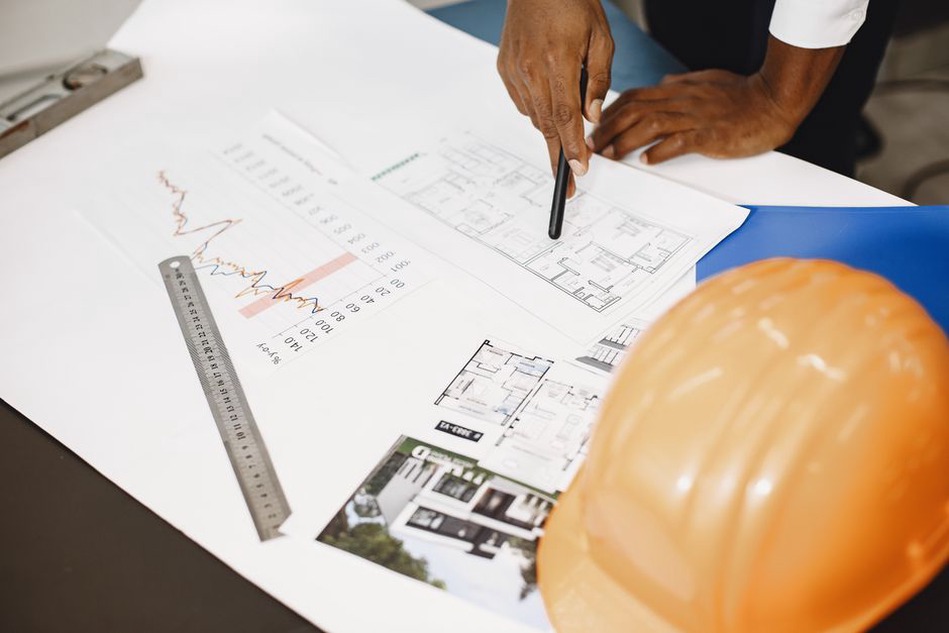
Review visuals as carefully as text. Check that plans remain legible at the displayed size and that captions distinguish concept sketches from approved designs. Replace images that no longer support the adjacent point. Alt text should describe meaningful visual information, not repeat a keyword or assert a technical result the image cannot establish.
Test links and check that their destinations still support the sentences around them. Link to another post to answer a specific question, not as a generic invitation. A revised discussion of office layouts, for example, could direct readers to how office design can support everyday productivity if that post covers the operational implications in more detail. Remove links that add no context.
Once the content is settled, check the page title, description and visible date. A spelling correction does not justify presenting a post as newly researched. For a substantive revision, a brief editorial note could say, “Reviewed for current submission steps; cost examples removed.” Keep the original publication date if the publishing system permits it, and show the review date separately.

Publish with a small verification trail
Before publishing, have someone familiar with the subject check the high-risk passages. An architect might review design reasoning; a permits specialist might check the account of submissions. Tell the reviewer which jurisdiction and project type the post covers. A separate editorial pass can catch broken headings, unexplained terms and paragraphs that stray from the title.
Keep a simple change record outside the article: which claims were checked, which documents or project records were consulted, what sections were added and what questions remain open. It will help the next editor avoid reinstating an outdated statement. After publication, inspect the live page on a phone and a larger screen, paying particular attention to tables, plans and long captions.
For a manageable first pass, choose one frequently shared post. Highlight every sentence with a date, number, regulatory requirement or outcome that sounds guaranteed, then verify those claims before editing the surrounding prose. The marked-up copy gives the work a clear scope and shows which questions still need an expert answer.