
A dripping supply hose can do serious damage while you’re away for the weekend. Before leaving, look under sinks, behind the washing machine and around the water heater for dampness or active leaks. Deal with anything suspicious before you go; a small leak may not stay small until Sunday.
Start with the risks that matter most
A two-night absence rarely calls for shutting down the whole house. The question is what must keep running and what could cause avoidable damage. Refrigeration, heating or cooling in extreme weather, security equipment and essential medical devices may need uninterrupted power. A countertop appliance or a hose feeding an unused fixture usually does not.
Check water and electrical equipment
Closing the main water shutoff can limit damage from a burst pipe, but only if you know where it is, can operate it safely and have no equipment that needs a water supply. First check the requirements of boilers, hydronic heating, fire sprinklers, irrigation and other connected systems. In a shared building, do not operate valves serving other units. If shutting off the main is unsuitable, consider closing the valves to an unused washing machine or dishwasher. Never force a stuck valve; arrange a repair later.
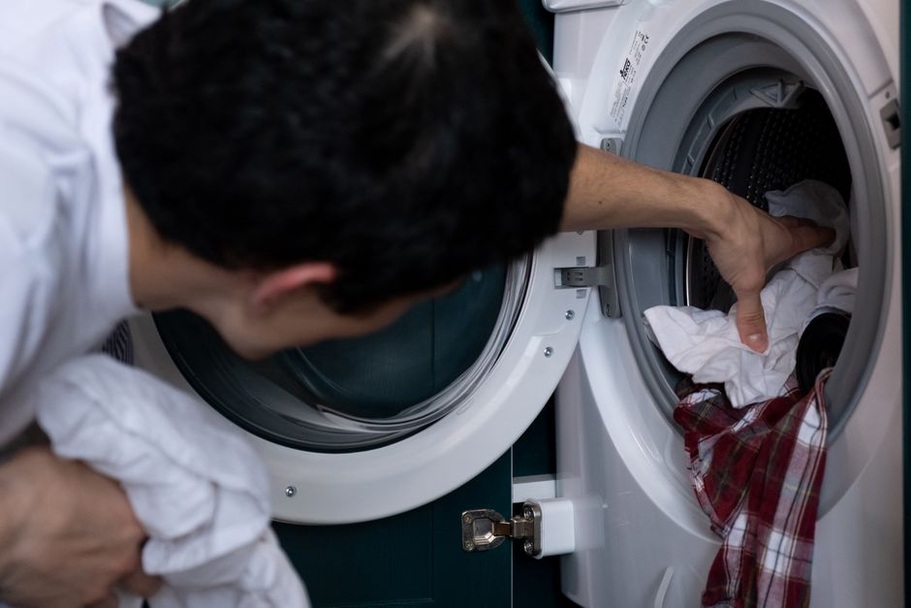
Unplug portable heaters, irons and small countertop appliances once they are cool. Turn off taps, make sure the washing machine and dishwasher have finished their cycles, and avoid starting either just before leaving. Keep smoke alarms, leak detectors and security equipment powered. Test alarms according to their instructions, but do not disable one because of a nuisance alert.
Set a safe indoor environment
Set the thermostat for an unoccupied home, not an unprotected one. In cold weather, adequate heat helps protect plumbing, particularly where pipes run near exterior walls. In hot or humid weather, some cooling or dehumidification may help control moisture. The right setting depends on the climate, insulation, pipe locations and any plants or animals left inside. Follow your equipment’s operating guidance rather than relying on a universal temperature.
Close windows and rooflights, including those in bathrooms, basements and upper-floor rooms. Check each latch: a window can look closed and still let in rain. Leave normal mechanical ventilation running where the building requires it, and do not seal vents needed for combustion appliances or continuous airflow. If severe weather is forecast, bring in lightweight outdoor furniture and secure loose items on balconies without blocking drainage openings.
Water houseplants according to their needs rather than soaking every pot. Moving a plant out of intense direct sun may slow drying during a short absence, provided the new spot still offers suitable light. Empty standing water from saucers when appropriate so it cannot spill onto floors or finishes.
Keep food, waste and deliveries from becoming problems
Discard food that will spoil before you return and take kitchen waste to the collection point. Check fruit bowls, compost containers and pet-feeding areas, not just the refrigerator. Wipe up crumbs and spills so pests do not find a food source. Leave the refrigerator running unless you have emptied, cleaned and prepared it for shutdown according to the manufacturer’s instructions.
If deliveries cannot be paused, ask a trusted person to collect parcels. Bring in newspapers or anything else that would visibly pile up. A weekend trip usually does not call for an elaborate attempt to make the house look occupied; basic security matters more than lighting every room.
Check doors, access and people
Lock external doors, accessible windows, garage entries and any door between an attached garage and the house. After locking patio and balcony doors, gently test their handles. Do not leave keys, access cards or garage remotes in a vehicle parked outside. Use exterior lighting or timers if they are already installed and suitable, but check that a timer will not turn off a light needed for safe access.
If someone will enter while you’re away, agree on the dates, how they will get in and what they will do. Give them a way to reach you, and show them where the main water shutoff and electrical panel are. For a rented home or managed property, follow the building’s access and emergency-contact rules. Make the instructions specific:
- Which plants or pets need attention, and when?
- Should they bring in post or move bins?
- What visible conditions warrant a call, such as water on the floor or an alarm sounding?
- Whom should they contact if you cannot be reached?
Arrange appropriate care for pets rather than leaving extra food and water for the entire trip. Give the caregiver care instructions, medication details and a suitable emergency contact.
Do one final walk-through
Give yourself a few uninterrupted minutes just before departure. Walk through the rooms in the same order each time, then check the outside entry points. A familiar route is easier to follow than a mental list while you’re loading a car or calling a taxi.
- Confirm taps are off, appliances have stopped and no water is visible around fixtures.
- Check the thermostat, necessary powered equipment and any scheduled lights.
- Remove perishable waste and bring in items that could blow away or get wet.
- Close and latch windows, then lock doors and test the final exit door.
- Take your keys, phone and the contact details for anyone caring for the property.
If you closed the main water valve, make a note on your phone to reopen it when you return. Open it gradually, then check nearby fixtures and connections for leaks before running water-dependent appliances.