
Designing for Tomorrow's Needs
Commercial real estate is in a state of constant change, driven by technological progress, environmental awareness, and evolving social norms. To keep pace, buildings must be designed with the future in mind, ensuring they can adapt to whatever comes next. This involves creating spaces that are not only functional today but can also evolve to meet tomorrow's demands.
Embracing Flexibility and Adaptability
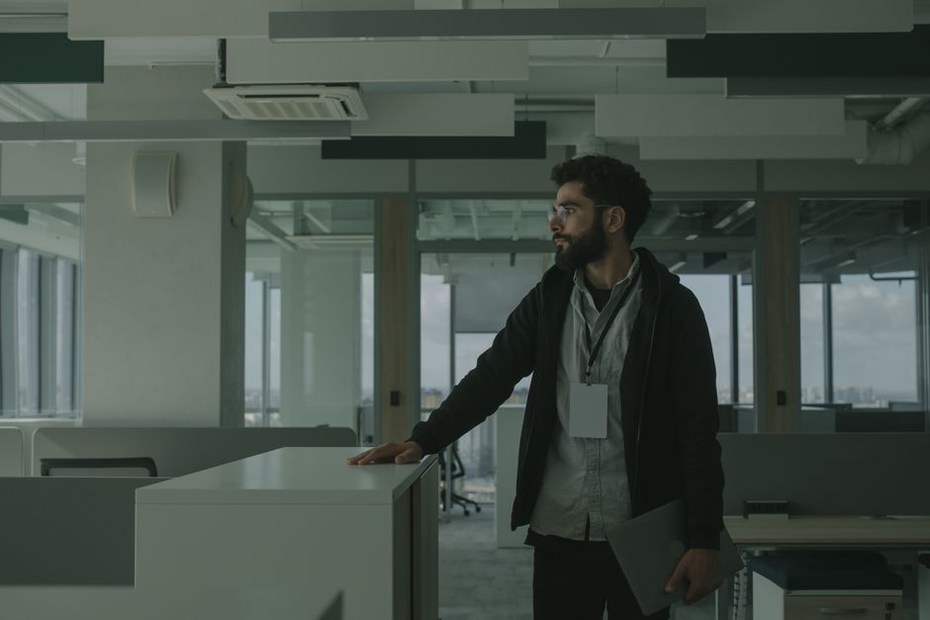
Flexibility is crucial in future-proofing buildings. Spaces should be designed to be easily reconfigured. Consider an office building that may need to shift from an open-plan layout to private offices or co-working spaces as business needs change. Modular design and movable walls offer practical solutions, allowing for such changes without the need for extensive renovations.
Integrating Technology
Technology is a cornerstone of future-proof design. Smart building systems that automate lighting, heating, cooling, and security can significantly enhance energy efficiency and comfort. These systems also provide valuable data, helping facility managers fine-tune building performance.
For instance, combining Building Information Modeling (BIM) with Internet of Things (IoT) devices enables real-time monitoring and management, ensuring buildings run efficiently. This not only cuts operational costs but also prolongs the building's life through proactive maintenance.
Environmental Considerations
Sustainability is a key aspect of future-proof design. Implementing green building practices can reduce environmental impact and lower operating costs. Utilizing renewable energy sources like solar panels or geothermal systems enhances a building's energy independence and sustainability.
Additionally, using sustainable materials and construction methods can decrease a building's carbon footprint. For example, opting for recycled materials or locally sourced resources can minimize environmental impact and often reduce costs related to transportation and waste.
Designing for Resilience
Buildings must also be resilient to climate change, designed to withstand extreme weather conditions such as hurricanes, floods, or heatwaves. This requires selecting suitable building materials, designing effective drainage systems, and ensuring strong structural integrity.
The importance of sustainable urban development demonstrates how these considerations can be woven into broader urban planning strategies to create resilient communities.
Human-Centric Design
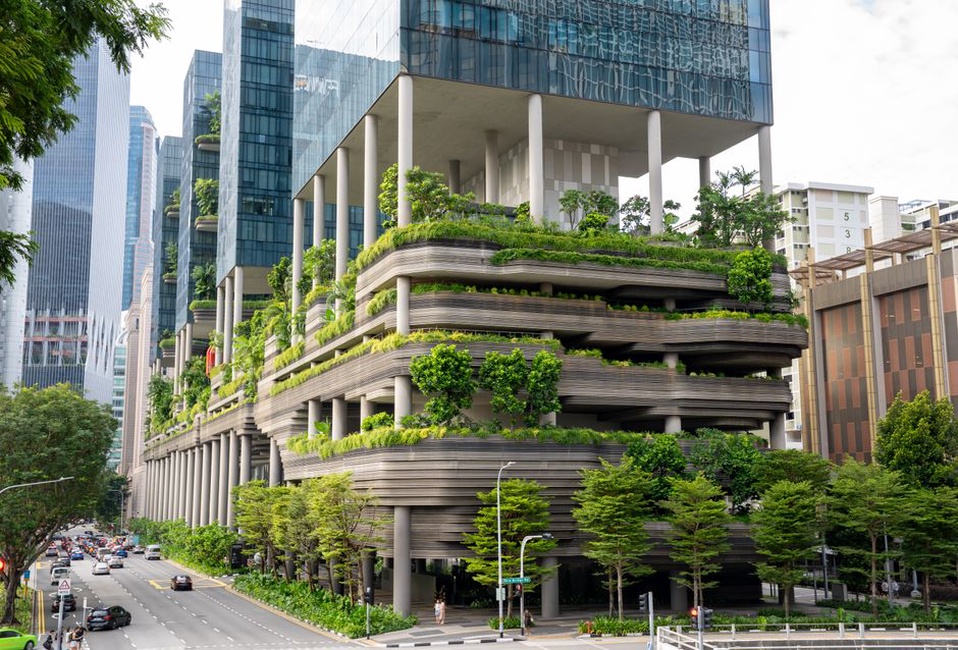
Future-proofing is also about creating environments that enhance occupant well-being. This means ensuring ample natural light, good air quality, and effective acoustics. Incorporating biophilic design elements, such as indoor gardens or green walls, can improve mental health and productivity by bringing nature into the workspace.
Understanding and applying international building codes is essential to ensure designs meet safety and accessibility standards, making spaces inclusive for everyone.
Economic Considerations and Cost Management
While future-proofing involves initial costs, it is a wise investment in the long term. By designing buildings that can adapt to changing needs, owners can avoid frequent renovations. Energy-efficient designs also reduce utility costs, and well-maintained buildings can retain or even increase their market value over time.
Effective cost management strategies, such as life-cycle cost analysis, enable developers to make informed decisions about where to invest in future-proofing measures.
Conclusion: Building for an Uncertain Future
Incorporating future-proofing principles into commercial real estate design is about more than just anticipating change. It's about creating buildings that are adaptable, sustainable, and resilient. As the industry continues to evolve, those who adopt these principles will be well-equipped to meet the demands of tomorrow while maximizing their investments today.