
A chair beside a bright window may be pleasant by day and awkward at night: the nearest outlet is behind a cabinet, and the ceiling light throws a shadow across the book. Before choosing furniture, sit in the proposed spot with a book for ten minutes at the time you expect to read. Check the light, noise, and temperature, then get up without moving anything. That trial tells you more than a photograph of a chair.
Choose a location that works beyond daylight hours
A reading corner does not need its own room. The unused end of a living room, a bedroom alcove, or a space beside a bookshelf can work if it remains comfortable during normal household activity. Stay out of the television's direct line of sight and away from busy routes through the room. People should be able to pass without brushing the chair or lamp.
A window provides ambient light, but its position matters. Direct sun can cause glare and heat the seat; with the window behind you, your shadow may fall across the page. Placing the chair beside the window is often easier to manage. Curtains or blinds help control low-angle sun, and a separate lamp keeps the corner usable after dark. Check for drafts near the glazing and heat from radiators before settling on a layout.
In a small home, mark the chair and table footprints with removable tape. Open nearby doors, pull out drawers, and walk your usual route. If everyone has to turn sideways to get through, choose a smaller chair or move the corner.
Build comfort around the seated position
A chair's first-minute softness says little about how it supports you through a chapter. You should be able to rest your feet on the floor or a stable footstool without pressure behind your knees. The back should support your lower back while you hold a book at a natural height. Armrests can ease strain on your shoulders and forearms during longer sessions.
Bring a book when you try a chair. A deep seat may need a lumbar cushion, while a low, soft seat can be hard to rise from. For someone with reduced mobility, a firmer seat and steady armrests may be more useful than a deep lounge chair. The principles behind designing buildings for an aging population apply here too: the seat should be easy to approach, use, and leave without relying on loose furniture for support.
A footstool is optional, not a fix for a poorly sized chair. If you use one, keep it out of the route past the corner. Match upholstery to the household: a removable, washable cover may help where children or pets share the room, and a tightly woven fabric is often easier to keep free of dust than a heavily textured one. Try cushions before piling them on; too many can push you forward and cancel out the chair's back support.
Layer light rather than relying on one fixture
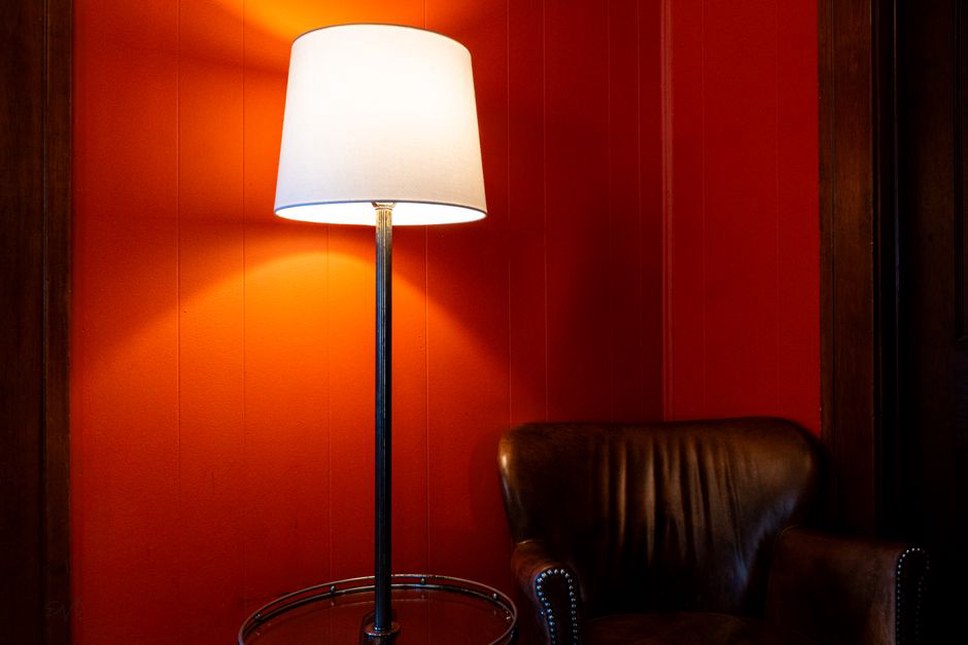
General lighting helps people move around safely, but it may leave the page dim. Add a task lamp that lights the book without shining into your eyes. A floor lamp saves space where a side table would crowd the layout. A table lamp works if the table is stable and leaves room for books and drinks away from the lamp.
Place the lamp so your hand and book do not block the beam. Slightly behind and to the side of the chair is a useful starting point; adjust it while seated, since the best side depends on how you hold your book. A shade or diffuser can reduce glare, provided enough light still reaches the page.
Eyesight, print size, and contrast all affect how much light a reader needs, so an adjustable lamp is more useful than a fixed brightness. When choosing an LED lamp, consider its light output and where it directs the light; wattage alone does not tell you how bright the page will be. Warm-to-neutral light can suit a living area, though a very amber light may make some print harder to distinguish. If you want dimming, check that the bulb and dimmer are compatible.
Find a safe power source before buying furniture. Do not run a cable under a rug or across a walking route, where it could be damaged or cause a trip. If the position needs a new outlet or fixed lighting, have a qualified professional assess and install the electrical work in line with local requirements. Renters should seek permission before changing fixed wiring.
Keep books and essentials within easy reach
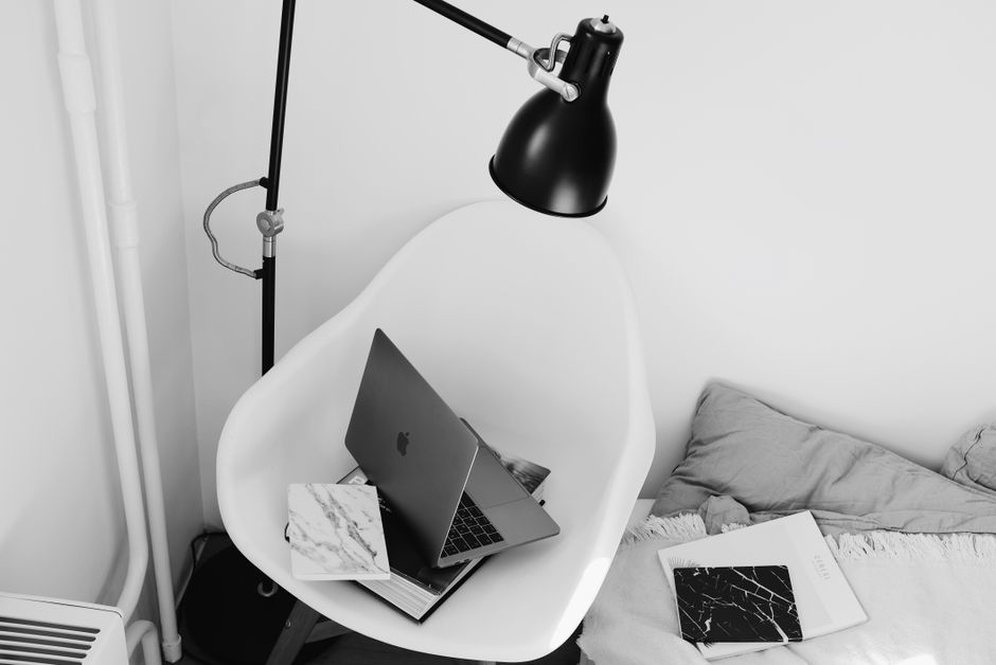
From the chair, you should be able to put down a book or glass without twisting far behind you. Check that the side table stays steady when lightly bumped and leaves enough room to stand. Where floor space is tight, a narrow shelf or wall-mounted ledge can take its place, provided the fixings suit the wall and the weight it will carry.
Keep current reading close without turning the floor into storage. A short shelf, basket, or bookend may be enough. Put heavier books on lower shelves, secure tall shelving where appropriate, and avoid stacks that could fall onto the chair. In a shared room, a basket for blankets and magazines makes it easier to clear the seat without adding a large cabinet.
If you use an e-reader, consider where it will charge; keep its cable out of the footpath. Give glasses and bookmarks a regular place too. They are more useful on the side table than accessories that occupy its only clear surface.
Manage temperature, sound, and visual distraction
Try the seat in different conditions if you can. It may catch an air-conditioning draft, sit against a cold external wall, or receive strong afternoon sun. A curtain, blind, or small shift in chair position may be enough. Keep portable heaters clear of upholstery, books, and curtains, and follow the manufacturer's specified clearances.
Soft furnishings can reduce reflected sound, but they will not soundproof a room. A rug, curtains, and an upholstered chair may make a hard-surfaced space less echoing. If conversation or television is the main interruption, moving or turning the chair will usually do more. A bookcase can mark out the area, as long as it does not block daylight, ventilation, or a required exit route.
You can give the corner a sense of separation with a rug or a different wall color without enclosing it. If visual clutter distracts you, keep patterns and objects near your line of sight restrained. The rest of the room still needs to work: beside a dining table, for instance, the reading chair must not stop people pulling out dining chairs.
Adapt the setup to the room and its users
In a compact apartment
Start with the room's dimensions, not a matching furniture set. A narrow chair, wall-mounted reading light, and slim shelf may be enough. Before buying a swivel or reclining chair, check the space it takes through its full range of movement; its listed width may describe only its closed position. A window seat is another option if it is structurally suitable, has a comfortable backrest, and leaves access to an operable window.
In a family or shared space
Pick a spot that can accommodate ordinary activity rather than expecting complete quiet. Task lighting can let someone read with the main lights lowered, but check that the lamp does not shine into another person's seat or a screen. Where young children live, secure unstable furniture, control cords, and keep hot lamps where they cannot be touched or knocked over.
For changing mobility or vision
Keep the approach to the chair clear, choose reliable armrests, and make the light easy to reach and adjust. A switch hidden behind the chair makes even a well-placed lamp inconvenient. Larger print, adjustable e-reader text, or brighter task lighting may help more than a change in decor. If balance is a concern, avoid loose rugs and footstools that slide.
Test the corner before treating it as finished
Start with a seat, a usable light, and somewhere to put a book. Read there on a typical weekday evening and again in daylight. Notice whether you bend your neck toward the page, the lamp causes glare, or the table needs moving before you can stand. Change one thing at a time so you can tell what helped.
Then place a book and a glass on the table, turn on the lamp, and walk past the chair as another person would. If a cable crosses that route or the table needs pushing aside, fix the layout before adding shelves, plants, or a rug.