
Put newly bought yogurt behind the containers already in the fridge. The older ones are easier to spot and use before they expire. Food often goes to waste this way: it gets pushed out of sight, then turns up when you’re making room for the next grocery shop.
You don’t need a rigid meal plan or a use for every scrap. Start by paying attention to what gets thrown out, then make small changes to how you shop, store food, and cook.
Find out what you actually throw away
For one week, jot down any edible food you discard. Note what it was, roughly how much, and why it went: it spoiled before you used it, you cooked too much, you forgot the leftovers, or plans changed. A note on the fridge is enough.
Look for patterns rather than trying to calculate an exact total. If salad greens spoil twice, buy less next time. If cooked rice regularly remains after dinner, make a smaller batch. Nonprofit reporting on food and cooking offers broader context, but your own bin will tell you more about what needs changing at home.
Shop for the days you can predict
A week of fixed dinners can fall apart when work runs late or someone eats elsewhere. Before shopping, check the fridge, freezer, and cupboards. Decide which meals you’re reasonably likely to cook, leaving room for leftovers and changed plans. Then list what those meals need, rather than buying produce just because it looks versatile.
Compare package sizes with what your household will eat. A larger pack is cheaper per unit only if you use enough of it. When a recipe calls for a small amount, see whether you can buy less, use a frozen version, or work with something you already have. Loose carrots, for example, may cost less in practice than a large bag that tends to spoil.
Give perishable foods an early place on the menu. Use fresh fish, ripe berries, or delicate leaves soon after buying them; save longer-lasting ingredients for later. If you need half a cabbage, have a realistic plan for the other half before it goes in the cart.
Make the fridge easier to read
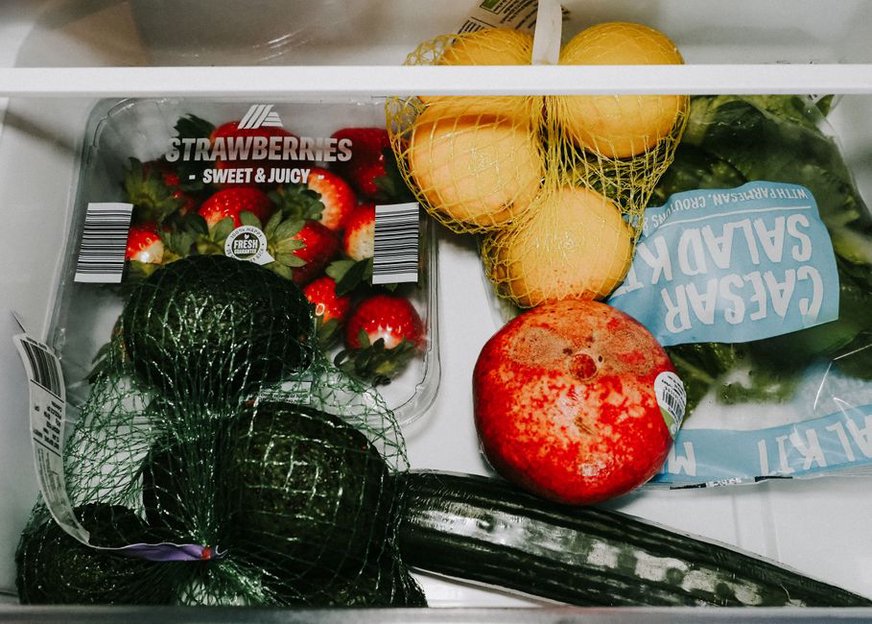
Food is easy to miss in a crowded fridge, and overcrowding can restrict airflow. Keep a small, visible spot for items that need using soon—but don’t let it become a permanent holding area. Group similar foods, place new purchases behind older ones, and label opaque containers with what’s inside and when you prepared or opened it.
Use an appliance thermometer to check the refrigerator temperature rather than trusting the dial alone. The U.S. Food and Drug Administration recommends a refrigerator temperature at or below 40°F (4°C) and a freezer temperature of 0°F (-18°C). The FDA’s safe food handling guidance also covers prompt refrigeration and other precautions to consider before keeping food.
Different foods need different storage. Use the appropriate crisper drawer for produce if your fridge has one. Wait to wash berries until you’re ready to eat them unless you can dry them thoroughly. Cover cut fruit and vegetables and refrigerate them promptly. If leaves keep wilting under heavy packages, try moving them before buying a new storage product.
Know what a date label does—and does not—tell you
Date labels vary by country and product. “Best before” generally refers to quality, while “use by” may indicate a safety limit where that wording is regulated. Follow the package instructions and local rules rather than treating every printed date alike. An unopened shelf-stable food past a quality date is not the same as chilled food past a safety-related use-by date.
Smell and appearance may reveal obvious spoilage, but they cannot prove that perishable food is safe. Don’t taste it to check. If you’re unsure how it was stored—particularly after a power outage or a long spell at room temperature—consult food-safety guidance instead of trying to save it.
Cook quantities you can use
Think back to what people finished at previous meals, especially with foods that expand during cooking. Measuring dry pasta or rice a few times can help you find a useful portion size. When guests are coming, a little extra may make sense; a second full dish “just in case” may be more than anyone wants to take home.
Choose meals that use the same ingredient in different ways. Parsley could go into a grain dish and then a soup; roasted vegetables could fill a sandwich the next day. You don’t have to prepare every meal in advance. You just need a plausible second use while the ingredient is still fresh.
Substitutions can prevent another purchase. If a soup calls for spinach, a suitable leafy green already in the fridge might work instead. Check whether a swap changes cooking time or safety requirements, particularly for meat, seafood, or dried beans. There’s little benefit in avoiding waste if the result is a dinner no one wants to eat.
Cool and store leftovers promptly
After a meal, divide leftovers among shallow, covered containers so they cool efficiently. Refrigerate them within two hours, or within one hour if the surrounding temperature is above 90°F (32°C). Don’t leave a large pot of hot food on the counter overnight. Split it into smaller portions before chilling, while avoiding a fridge overloaded with hot containers at once.
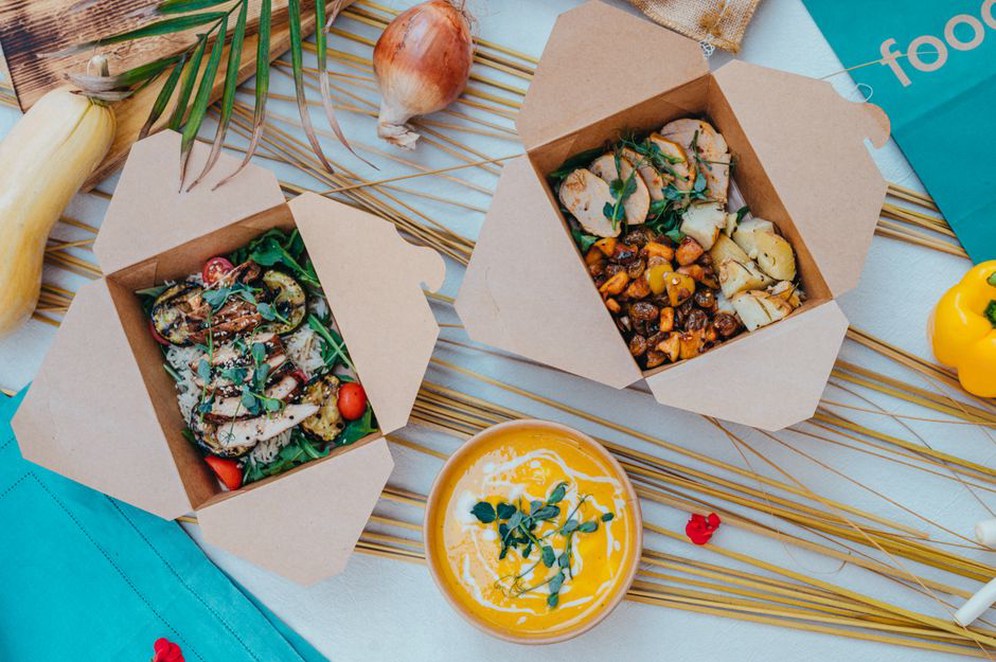
Make leftovers recognizable and easy to find. Label the containers and keep them in view. If you won’t eat suitable leftovers soon, freeze portions promptly rather than waiting until they’re nearly past their best. Reheat thoroughly and follow applicable food-safety guidance on how long refrigerated leftovers can be kept. “Tuesday lentil soup” tells you more than a date alone when several containers look alike.
Use the freezer as a pause button
Freeze food while it’s still in good condition. Pack it in amounts you’ll use: single servings of soup, small portions of cooked beans, or bread slices you can take out individually. Seal containers or freezer bags well, leave suitable headspace for liquids, and label each package with its contents and freezing date.
Texture may change after thawing. Frozen tomatoes are often better in a sauce than a salad, and frozen herbs may suit cooking better than garnishing. Freeze food with a likely use in mind, not simply to move an unwanted dish out of sight. Thaw perishable foods in the refrigerator, in cold water changed regularly, or in the microwave if you’ll cook them immediately afterward—not on the counter.
Give usable scraps a specific purpose
Some parts that routinely go in the bin are edible when prepared properly. Peel and slice broccoli stems for a stir-fry, use clean carrot tops in a sauce if they’re in good condition, or turn stale bread into toast or breadcrumbs. Use only parts you can identify as edible, and wash produce as appropriate. Trimmings saved for stock should be clean and sound, never moldy or spoiled.
Keep the work in proportion to what you’ll save. Stock from a small handful of scraps may not be worth the effort during a busy week; adding half a leftover onion to tomorrow’s eggs takes little time. Composting can handle some unavoidable scraps, but it doesn’t prevent edible food from being wasted.
Before your next grocery trip, bring one ingredient that needs using to the front of the fridge. Write it on your shopping list with a note: “use before buying more.” You’ll see what you already have before you buy a second one—and have a starting point for the next meal.