
Prioritizing Safety and Accessibility
When designing educational facilities, it's essential to focus on safety and accessibility. Compliance with local regulations, particularly those related to fire safety, is a fundamental aspect. Our article on Enhancing Fire Safety in Building Design: Strategies and Innovations highlights the importance of incorporating advanced safety measures, especially in environments frequented by children and young adults.
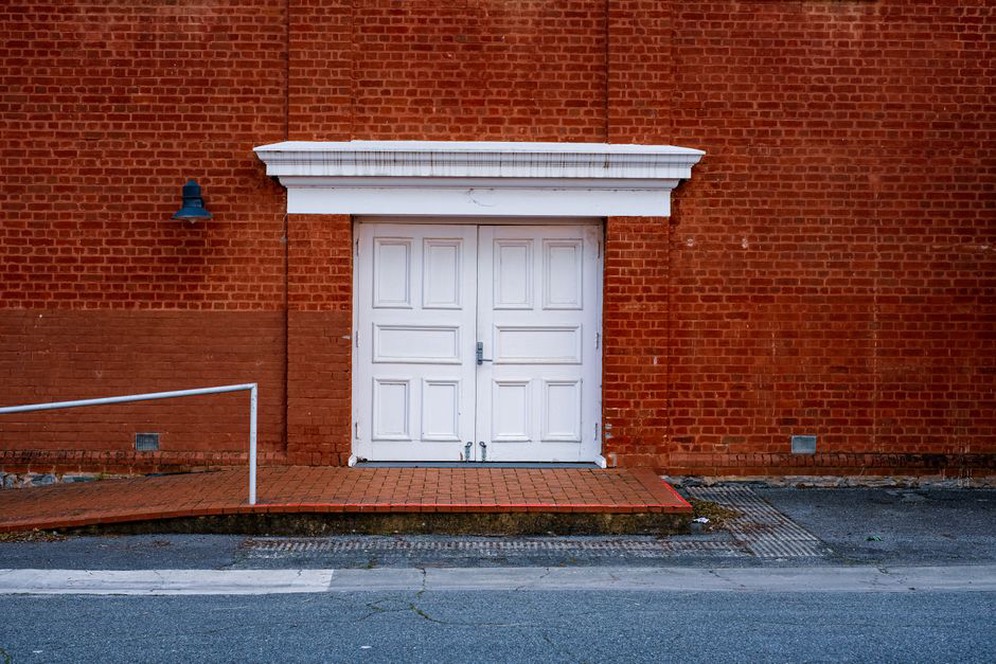
Accessibility involves making sure that students and faculty with disabilities can navigate the facility with ease. This means including ramps, elevators, and other features that meet the standards set by the Americans with Disabilities Act (ADA) or similar regulations internationally. These features not only fulfill legal requirements but also promote an inclusive atmosphere.
Adapting to Technological Advancements
Technology's role in education has evolved dramatically, demanding that modern educational facilities are equipped to handle various technological needs. This includes installing adequate electrical and data infrastructure to support digital learning tools, interactive whiteboards, and student devices.
Designing spaces that can accommodate future technological advancements is also crucial. Flexible layouts that allow for rearranging furniture and equipment help schools adapt to the ever-changing educational technologies.
Creating Optimal Learning Environments
To create an environment that stimulates learning, factors like natural lighting, acoustics, and ventilation must be considered. Research indicates that classrooms with ample natural light can improve student concentration and performance.
Good acoustics ensure clear communication between students and teachers by minimizing external noise. Proper ventilation contributes to better air quality and comfort, which are vital for maintaining health and focus.
Incorporating Sustainable Design
Sustainability is a major factor in the design of educational facilities today. Implementing sustainable practices can lower operational costs and lessen environmental impact. This might involve using energy-efficient lighting, HVAC systems, and eco-friendly materials.
Moreover, sustainable design can serve as an educational tool, offering students a practical example of environmental responsibility. Features like solar panels or rainwater harvesting systems can be both functional and educational.
Balancing Budgetary Constraints
Designing educational facilities often involves the challenge of meeting all necessary requirements within a limited budget. Effective cost management, as discussed in Mastering Cost Management in Large-Scale Architectural Projects, is essential to allocate funds efficiently without sacrificing quality.
Prioritizing essential features and considering long-term operational costs are key strategies. Early collaboration with stakeholders can help identify priority areas and guide resource allocation decisions.
Community Engagement and Support
Involving the community in the design process can greatly enhance the success of educational facilities. Engaging parents, teachers, students, and local residents in consultations ensures the facility meets the needs of its users. This collaborative approach, detailed in The Role of Public Engagement in Community Building Projects, fosters a sense of ownership and support.
Community involvement also helps anticipate potential challenges and address them proactively, leading to smoother implementation and greater acceptance of the final design.
Conclusion: Embracing Practical Design Strategies
Designing educational facilities is a multifaceted task that involves balancing safety, technology, sustainability, budget, and community involvement. By focusing on these priorities, architects and planners can create spaces that not only fulfill educational objectives but also inspire and engage future generations.