
If a chair blocks the balcony door, it turns a small outdoor space into storage, however comfortable it looks. Before buying furniture, measure the clear floor area with the door fully open. Mark its swing, the drain and the route to the railing for cleaning. Those measurements show what can stay outside year-round and what needs to fold away.
Start with the balcony as it is built
Measure the width and depth at floor level rather than relying on a property listing. Check whether the door opens inward, outward or slides, and allow for windows and shutters. On a narrow balcony, even a shallow cabinet can get in the way. Use removable tape on the floor to test the footprint of a chair or planter before buying it.
Locate the drain or scupper, threshold, railing, wall outlets and exterior light. Note whether a balcony overhead provides shelter. Water still needs a clear route to the drain; a rug, decking tile or storage box placed over it can leave water pooling at the door or push it toward the facade.
Check building rules before attaching anything to the railing, ceiling, wall or exterior face. Apartment and condominium rules may also cover visible screening, planters, glazing and outdoor electrical equipment. Glazing or roofing an open balcony can affect the building’s appearance, drainage, ventilation and fire safety, so it may require approval. Do not drill into waterproofing or the facade without an approved detail.
Choose one primary use, then make it flexible
A few square metres rarely work well as a dining area, lounge, greenhouse and storage room at once. Choose the activity that will happen most often: coffee, reading, tending a few plants or eating outside. Give it the best spot for light, shelter and access. Movable pieces can serve the occasional uses.
- For a seat: Check that someone can sit without shifting another object or pressing against the railing. A folding chair helps only if there is a dry, convenient place to store it.
- For meals or work: A compact freestanding table avoids permanent fixings. Make sure it is stable in use and can be moved clear of the door.
- For plants: Group containers where you can manage runoff without blocking the drain or access for maintenance.
- For storage: Keep it to outdoor items you use regularly, rather than combustible household overflow.
Sketch the layout to a simple scale, or cut out paper shapes for the furniture. Allow room to pull out a chair, not just room for its footprint. A suggested walkway width is no substitute for local code requirements. In practice, occupants must be able to open the door, move safely and reach areas that need cleaning or inspection.

Keep weight, wind, and edges in mind
Balconies are designed for specified loads, but allowable loads vary by building and jurisdiction. It is not only the total weight of people and furniture that matters: concentrating heavy objects in one spot can also be a problem. Large soil-filled planters, water-filled containers, stone pavers and masonry benches add weight quickly. If you do not know the balcony’s load capacity, ask the building manager or a qualified structural professional before adding heavy features. Do not assume it can support a hot tub or substantial built-in planters.
Wind exposure tends to increase with height and at open corners. Lightweight furniture that seems stable on a calm day may shift in a gust. Choose outdoor furniture, secure loose cushions when they are not in use and keep anything that might blow off an edge under control. Do not tie items to the railing unless the attachment is suitable and building rules allow it.
Keep furniture and storage away from the railing if a child could use them as a step. A raised deck or platform must not reduce the guard’s effective height. Railing planters need attachments suited to both the railing and the wind, not merely clamps that fit. Nothing should project or drip over a neighbour’s space without permission.
Manage sun, rain, and cold without trapping moisture
Shade the occupant, not the whole balcony
Notice where the sun falls when you expect to use the balcony. A south- or west-facing space may need afternoon shade; on a shaded north-facing balcony, a dry seat and wind protection may matter more. Movable shade is often easier to adjust than a permanent canopy, provided it is allowed under property rules and suitable for the wind exposure. A freestanding umbrella needs space and a secure base, which may rule it out on a tight, windy balcony.
Give rain an exit route
Outdoor rugs and interlocking deck tiles can soften a hard floor, but you should be able to lift them for cleaning. They must not block drainage or hold water against the threshold. Look underneath after heavy rain: trapped moisture can conceal deterioration and encourage staining or algae. If water repeatedly pools, report the drainage problem rather than adding another layer to level the floor.
Match seating materials to the exposure. Powder-coated metal, suitable exterior-grade timber and weather-resistant synthetics are all options, but none is maintenance-free. Timber finishes may need renewing; metal joints and fasteners need checks for corrosion. Store fabric cushions dry when they are not in use. A weather-resistant label does not mean upholstery can sit wet all winter.
Plan for cold-weather use realistically
On a sheltered balcony, a dry chair, a blanket brought from indoors and enough light to see the floor and threshold can make short cool-weather visits pleasant. An exposed balcony remains exposed; furniture will not make it an indoor room. Be especially careful with outdoor heaters. Check building rules, the product’s rating for the location and the required clearances from walls, glazing, fabrics and overhead surfaces. Never use a fuel-burning heater or grill in an enclosed or partly enclosed space contrary to its instructions or building rules.
Have a separate plan for ice. Keep the route to the door clear and follow building guidance on removal methods suitable for the balcony surface. Chipping at ice can damage a waterproof membrane. If melting snow cannot reach the drain, clear the obstruction before it freezes again.
Use storage and planting without crowding the floor
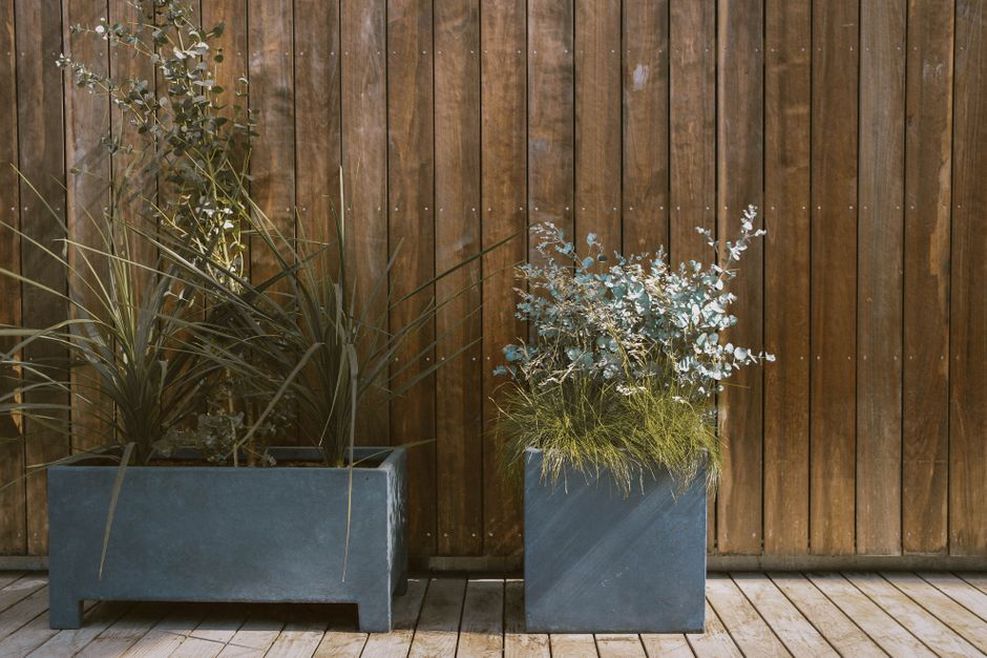
Floor area is scarce on a small balcony. A narrow, weather-resistant unit may hold a watering can or chair cushions, as long as it leaves the door, drain and railing accessible for inspection. Check that its lid can open where it stands. A lidded box is not necessarily waterproof: condensation can collect inside, and damp cushions may develop mildew. Dry contents before storing them and check them periodically.
Vertical planting saves floor space, but the fixings must suit the surface carrying the load. Do not hang several full pots from a lightweight screen or guard without checking its capacity. Choose containers you can lift for cleaning, use saucers where appropriate and empty standing water before it spills onto lower balconies. Match plants to the local climate, sun and wind. A sheltered corner may suit a plant that struggles by the outer railing, while soil in containers can freeze faster than soil in the ground.
If privacy matters most, try smaller changes before fitting a full-height screen. One well-placed planter, a different chair angle or an approved open-weave panel might interrupt a direct sightline. Dense screening can increase wind forces and reduce daylight indoors, so check how it would be attached and what it would shade.
Make lighting and power safe and proportionate
You need enough light to see the threshold, floor and seating, without lighting up a neighbour’s home. Aim fixtures downward; warm, low-level light is often less intrusive than a bright exposed bulb. Solar lights can be convenient with adequate sun, though short winter days may limit how long they stay on.
Mains-powered lights and appliances used outside must be suitable for outdoor conditions and connected according to local electrical requirements. Keep plugs and connections away from standing water. Do not run an extension lead through a door where it could be crushed or break the weather seal. If you need permanent power, ask a qualified electrician to assess the installation rather than adapting an indoor outlet.
Check the space at each change of season
A quick inspection each season can stop small problems from disappearing beneath furniture. In spring, move planters and tiles as needed to clear drainage points and inspect the floor. Before summer, check shade attachments and furniture stability. In autumn, bring in fabrics that will not dry reliably outside and remove fallen leaves. Before freezing weather, make sure water can drain and the door opens without dragging over a rug or accumulated snow.
Loose railing components, cracked surfaces, recurring ponding and dampness near the threshold need more than routine cleaning. Report them to the property manager or an appropriate professional rather than covering them up. For a final layout check, leave everything in its usual place, open the door fully, walk to the drain and lift any floor covering you need to inspect beneath.